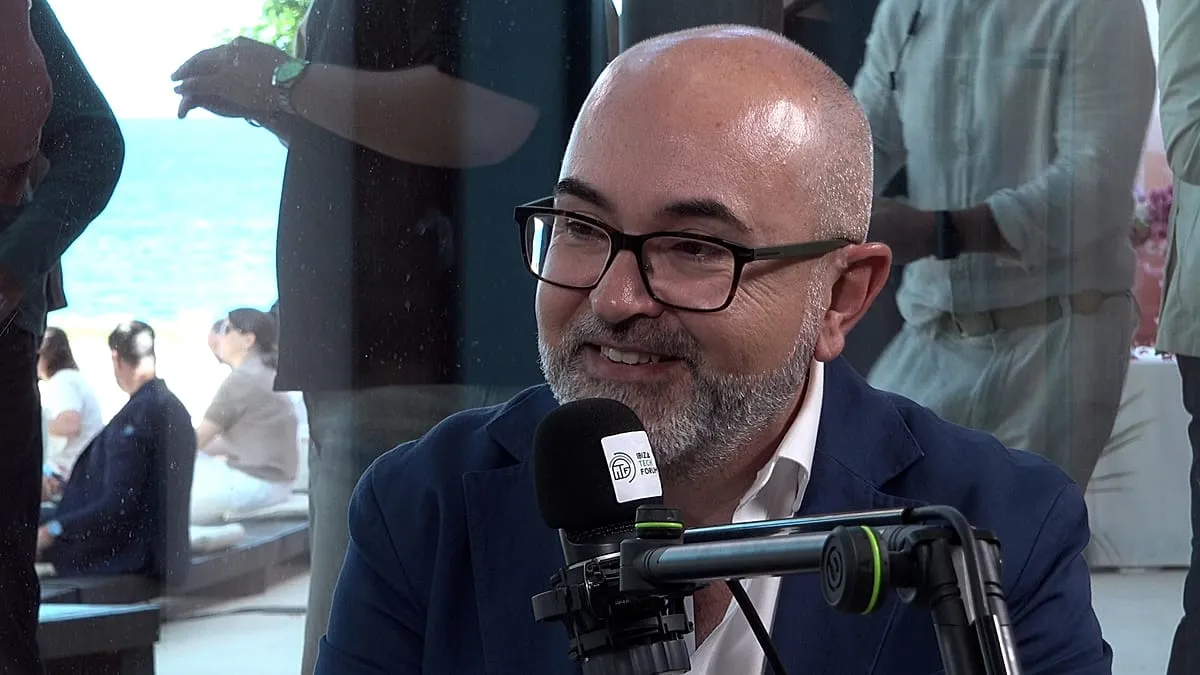
Comedian Ronny Chieng, known for his role on 'The Daily Show,' delivered a provocative commencement speech at Harvard College's Class Day, urging graduates not to embrace artificial intelligence but to actively work towards its dismantling. Contrary to the typical optimistic pronouncements about technology shaping future careers, Chieng expressed strong skepticism about the current trajectory of AI, particularly large language models. His stance was met with enthusiastic cheers, indicating a potential resonance with the graduating class's own reservations or concerns.
Chieng's core argument centers on the belief that AI, in its current widespread application, risks diminishing human intellect and creativity. He illustrated his point by citing the common AI usage where individuals delegate tasks like email summarization and response drafting, questioning the user's own capabilities and cognitive effort. This critical perspective, delivered with his signature comedic timing, marked a departure from more conventional commencement addresses and highlighted a growing societal debate surrounding the pervasive influence of AI.
Chieng's Critique of AI's Impact
During his address, Chieng repeatedly voiced his strong opposition to AI, exclaiming "fuck AI" multiple times and eliciting a positive response from the audience. He elaborated on his concerns by stating that AI is fundamentally "stupid" and often produces incorrect outputs. He humorously recounted instances where AI demonstrated a lack of understanding, suggesting that its utility is frequently overstated.
He did, however, acknowledge specific applications of AI in fields like medicine and physics where its use might be beneficial. Chieng clarified that his primary critique was aimed at the "accumulation of cognitive debt" resulting from the excessive reliance on large language models. He referenced a 2025 study from MIT, playfully suggesting that the institution's academics might have been too preoccupied to notice this trend, thereby drawing boos from the crowd when he urged them to direct their dissent towards MIT and AI itself.
The Mission to Dismantle AI
Chieng framed the "mission" for the current generation of graduates as the active destruction of AI. He argued that AI's proliferation would ultimately lead to mediocre individuals becoming even less capable, highlighting the shallow nature of boasts about AI utilization. He posed a rhetorical question: "Have you heard how dumb people brag about how they use AI? They're always like, ‘Hey, did you know that AI can now read my email, summarize it, and draft a response?’ Yeah, you know who else can do that? Me. I can do that. You can't do that? How useless are you?"
The comedian emphasized the importance of the creative process itself, suggesting that the journey of creation is where the true value and enjoyment lie. He posited that those who rely on AI to bypass this process are missing the fundamental point. This sentiment aligns with the views of many artists and creators who believe that the struggle and learning involved in producing art are integral to its meaning and the artist's development.
Wider Sentiments on AI's Creative Role
Chieng's views echo sentiments expressed by other public figures, including actor Seth Rogen. Rogen recently criticized AI-generated videos, describing them as "stupid dogshit" and questioning the motives of those who promote them as the future of content creation. His remarks targeted the perceived lack of quality and originality in AI-generated media flooding social platforms.
Expanding on his critique, Rogen specifically addressed the writing profession, stating that individuals whose primary instinct is to use AI rather than engage in the arduous yet rewarding process of writing should reconsider their career path. This collective criticism from prominent voices in entertainment underscores a growing apprehension about the uncritical adoption of AI and its potential to devalue human creativity and skill.
Impact Analysis
Ronny Chieng's impassioned plea to "destroy AI" at a prestigious Harvard event is more than just a comedic interlude; it signals a potentially significant cultural moment. As AI integration accelerates across various sectors, public discourse is increasingly marked by critical viewpoints, moving beyond simple adoption to deeper ethical and practical considerations. Chieng's speech, resonating with graduates, suggests a generational divide in how AI is perceived—less as an inevitable tool for progress and more as a potential threat to human ingenuity and purpose. This sentiment could influence future educational priorities, career choices, and the regulatory landscape surrounding AI development, pushing for a more human-centric approach to technological advancement.