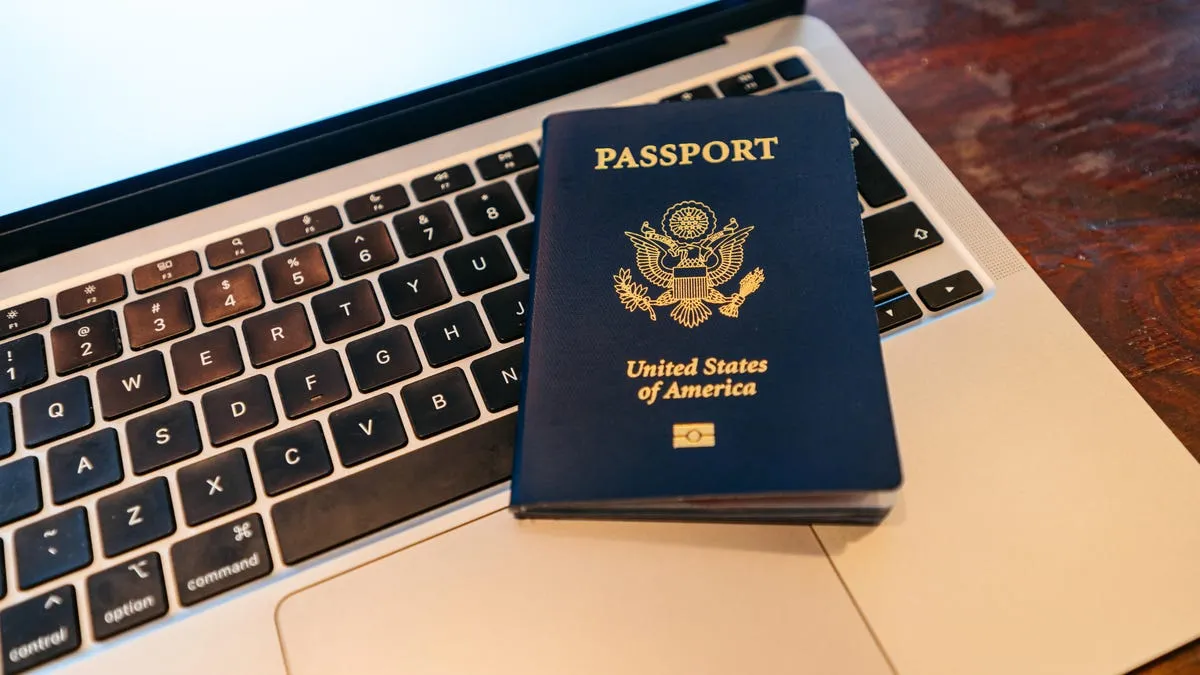
The United States Department of State has officially launched a new online system for renewing passports, aiming to streamline a traditionally cumbersome process. This digital initiative replaces many of the manual steps involved in passport renewal, potentially reducing the time and frustration associated with obtaining or updating the crucial travel document. The system is designed to be user-friendly, drawing parallels to the simplicity of online shopping experiences.
This advancement signifies a significant step towards modernizing government services, offering U.S. citizens a more accessible and efficient method for managing their travel documentation. The move is expected to be particularly welcomed by individuals who find traditional bureaucratic procedures daunting and time-consuming, freeing them up to focus on travel planning rather than administrative tasks.
Streamlining the Passport Renewal Process
The online passport renewal system is available to U.S. citizens who meet specific eligibility criteria. Generally, individuals whose most recent passport was issued within the last 15 years are likely candidates for online renewal. The State Department estimates the application process to take approximately 40 minutes, though this can be significantly reduced for those who have their required documents readily available. To utilize the system, applicants must establish a MyTravelGov account and upload a digital photograph that meets the required specifications.
Unlike the traditional mail-in process, which typically requires checks or money orders for payment and physical photographs, the online system facilitates digital photo uploads and accepts various electronic payment methods, including credit cards, debit cards, and ACH transfers. While the online application aims for efficiency, it's important to note that the standard processing times for passport renewals remain unchanged. Whether submitted online or via mail, routine renewals are expected to take between four to six weeks for completion.
Eligibility Requirements for Online Renewal
To qualify for online passport renewal, applicants must meet several key criteria. The primary requirements include being at least 25 years old, residing within a U.S. state or territory, and possessing a current passport that was valid for 10 years. Furthermore, the passport in question must have been issued within the last 15 years and be at least 9 years old, with the applicant retaining possession of the original document, which should not be mutilated or damaged.
Beyond these core conditions, there are additional restrictions. The online system is exclusively for regular U.S. passports; it cannot be used for special issuance passports such as diplomatic, official, or service passports. Applicants cannot use the online portal to update personal information like their name, gender, place of birth, or date of birth if these differ from their existing passport. A critical stipulation is that international travel is restricted for eight weeks following the submission of an online renewal application, as the existing passport will be immediately invalidated upon acceptance of the renewal request. Those who do not meet these online renewal qualifications must proceed with renewal via mail or in person at an authorized passport agency.
Navigating the Online Application Steps
The initial step in the online renewal process involves creating a MyTravelGov account, which integrates with the federal login.gov system. Prospective users can initiate account creation by visiting the MyTravelGov website and following the prompts to establish a new account. This process requires a valid email address and offers language options including English, Spanish, and French. After email verification, users will set up a secure password and configure multi-factor authentication for enhanced security.
Once the login.gov account is established, users can access the dedicated online passport renewal portal on MyTravelGov. The application process itself is estimated to take around 40 minutes. Essential items needed for the application include the applicant's current U.S. passport, a digital photograph meeting passport standards, and payment information. The application will guide users through entering details from their current passport, personal information, and selecting the desired passport product (book, card, or both). Subsequently, the digital photo is uploaded, followed by the secure submission of payment details.
Renewing Passport Books and Cards Online
The new online system accommodates the renewal of both U.S. passport books and passport cards. Passport cards, which are credit card-sized documents, are valid for land and sea travel to specific adjacent countries like Canada, Mexico, and certain Caribbean nations, but are not accepted for international air travel. Applicants can renew either document type they currently possess.
If an individual holds both a passport book and a passport card, they have the option to renew both simultaneously through the online portal. However, if only one type of document is held, the online renewal will be limited to that specific document. Upon successful submission of the online renewal application, MyTravelGov will provide email confirmations for payment processing. Applicants can monitor the status of their application via the State Department's online passport status system approximately one week after applying, with the expectation of receiving the new passport within the stated four to six-week timeframe for routine service.
Impact Analysis
The introduction of the online passport renewal system by the U.S. State Department represents a significant modernization of government services, directly impacting millions of U.S. citizens annually. By digitizing a key travel document renewal process, the government is not only enhancing user convenience but also potentially increasing the efficiency of its own operations. This move aligns with broader trends in digital transformation across public sectors, aiming to reduce paper-based processes, minimize errors, and improve accessibility. The long-term implications could include reduced operational costs for the State Department and a higher level of citizen satisfaction with government interactions. Furthermore, it lays the groundwork for future digital integrations, such as the anticipated digital passport features on mobile devices, signaling a broader shift towards digital identification and travel management.