In the rapidly evolving landscape of digital imagery, artificial intelligence has become a formidable tool, capable of generating sophisticated visuals. However, true artistry often lies in techniques that AI struggles to replicate authentically. For photographers aiming to create images with a distinct, human touch, mastering unique in-camera effects offers a powerful way to stand out. These methods leverage the physical properties of the camera and lens, combined with creative manipulation of shutter speed and lighting, to produce results that possess a character and depth AI often finds challenging to emulate. This approach not only challenges the dominance of AI-generated content but also encourages a deeper engagement with the craft of photography.
This article explores three such shutter-related techniques that can imbue photographs with a unique aesthetic, moving beyond what AI can easily duplicate. These are not merely post-processing tricks but fundamental ways of interacting with light and motion at the moment of capture. By focusing on in-camera motion, the strategic use of slow shutter speeds, and the nuanced application of high-speed flash synchronization, photographers can imbue their work with a signature style that is both artistically compelling and technically distinct. Understanding and implementing these methods allows for the creation of images that speak to a photographer's vision and skill, rather than algorithmic output.
In-Camera Motion: The Painterly Effect
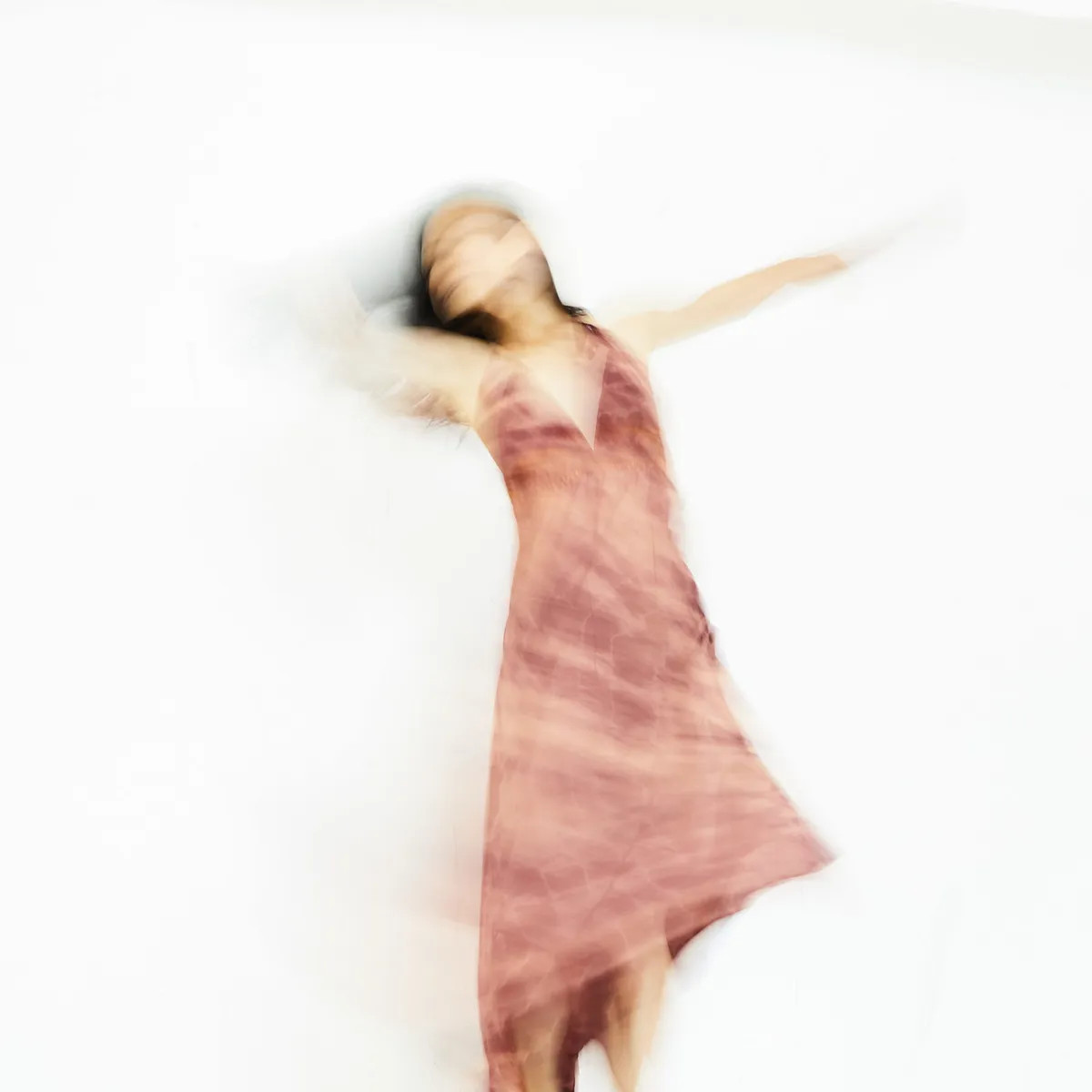
The concept of in-camera motion involves intentionally using movement during the exposure to create images that resemble paintings. This technique is not about replicating a scene photographically but about translating the feeling and essence of a subject into a more fluid, impressionistic form. Whether aiming to convey a sense of profound calm in a landscape or the exhilarating speed of urban life, in-camera motion offers a direct route to achieving a desired emotional impact. Instead of striving for absolute sharpness, this approach embraces blur and streaking to guide the viewer's eye and evoke a particular mood, challenging the conventional pursuit of pristine clarity often seen in modern photography.
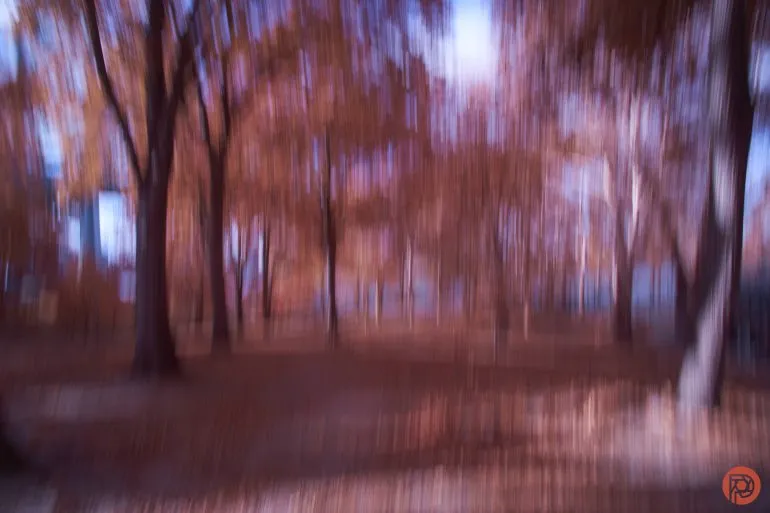 The application of in-camera motion is remarkably versatile, extending across various photographic genres. In street photography, it can transform fleeting moments into dynamic compositions. For landscapes, it can lend an ethereal, dreamlike quality, making familiar scenes appear novel and artistic. Even in portraiture, it can add a unique stylistic flair, capturing the subject's energy or creating a soft, artistic rendering. The goal is to move beyond a mere representation of reality and instead, to interpret it through motion, resulting in images that feel alive and painterly without resorting to heavy digital manipulation or post-production effects.
Slow Shutter Speed: Capturing the Unseen
The deliberate use of slow shutter speeds is a cornerstone technique for introducing motion blur, effectively revealing aspects of a scene that the human eye cannot perceive directly. This method allows photographers to capture the flow of water, the streaks of light from moving vehicles, or the subtle movements of a dancer in a way that adds significant drama and dynamism to an image. By extending the exposure time, the camera records the passage of time and movement, creating visual narratives that are both compelling and informative. This technique is particularly effective for subjects in motion, such as wildlife, sports action, or even everyday scenes, transforming them into captivating studies of energy and flow.
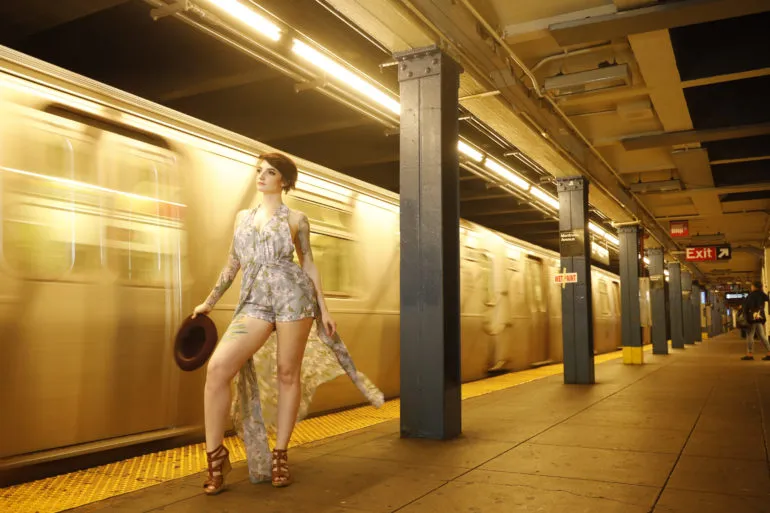 Historically, slower shutter speeds were a necessity due to the limitations of camera technology and film sensitivity. Today, while cameras offer incredible speed and low-light performance, intentionally employing slower speeds can yield distinctive artistic results. This technique encourages photographers to think creatively about how movement can be interpreted. For instance, setting a camera to a lower ISO and using a wide-aperture lens allows for the utilization of slow shutter speeds even in brighter conditions, making it possible to achieve these blur effects across a wider range of scenarios. This disciplined approach to exposure can lead to particularly striking and artistic outcomes.
High-Speed Flash Sync: Balancing Light and Atmosphere
High-speed flash synchronization (HSS) is a sophisticated technique that allows photographers to use flash creatively in bright daylight or high-contrast environments, effectively balancing the ambient light with the artificial light source. This capability is crucial for overcoming the typical limitations of flash, which often defaults to a normal sync speed that struggles to freeze fast action or integrate seamlessly with bright sunlight. By enabling flash firing at shutter speeds faster than the camera's standard sync speed, HSS allows for precise control over exposure and subject illumination, creating a natural-looking, soft light that mimics overcast conditions.
 The masterful application of HSS can transform ordinary scenes into visually stunning photographs. It allows photographers to illuminate their subjects effectively, even when shooting with a wide-open aperture in bright daylight, something that would normally require extremely fast shutter speeds that exceed the camera's native sync speed. This technique can render subjects with a flattering, soft light, eliminating harsh shadows and creating a serene, almost ethereal atmosphere. The result is an image where the subject is beautifully lit, and the background retains its ambient exposure, creating a well-balanced and aesthetically pleasing photograph that appears effortlessly captured, often mistaken for natural light due to its subtlety and effectiveness.
Impact Analysis
The continued development and accessibility of AI in image generation pose a significant challenge to traditional photography. Techniques like in-camera motion, slow shutter speed effects, and high-speed flash sync represent a crucial counterpoint, emphasizing the photographer's skill, creative vision, and direct interaction with the physical world. By mastering these methods, photographers can differentiate their work, producing images with a tangible, authentic quality that AI-generated content struggles to replicate. This focus on in-camera techniques not only preserves the artistic integrity of photography but also ensures that human creativity remains at the forefront of visual storytelling, offering a unique value proposition in an increasingly automated creative landscape.