






Deep-Dive into Shaver Technology and Ergonomics
Understanding Core Shaver Mechanisms
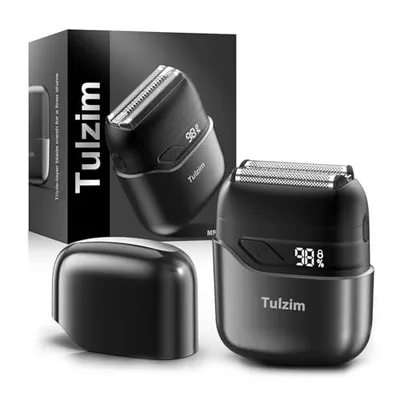
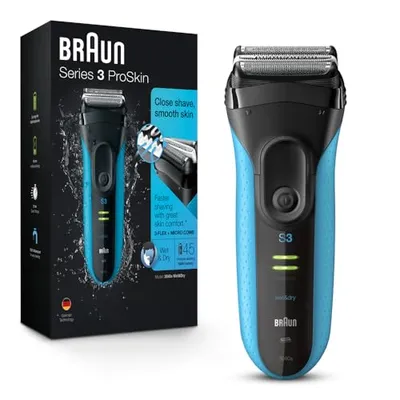
The foundational difference in electric shaving technology lies in the cutting mechanism: foil versus rotary. Foil shavers utilize a thin, perforated metal foil that acts as a barrier between the skin and a set of oscillating blades. As the shaver moves across the skin, hairs penetrate the foil and are cut by the reciprocating blades. This design is highly effective for delivering a very close shave, particularly on finer hair and for individuals with sensitive skin, as the foil minimizes direct blade-to-skin contact. Modern foil shavers often incorporate multiple cutting elements, including specialized trimmers for longer hairs, all housed under a single flexible foil system to maximize efficiency across various hair lengths.
Rotary Shaver Operation and Advantages
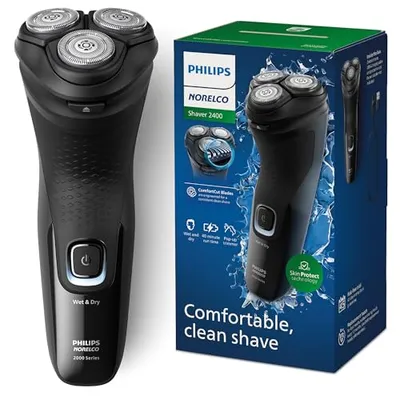
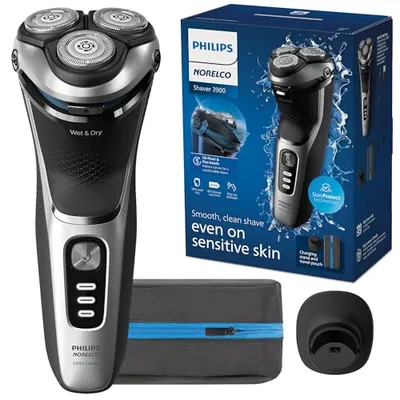
Rotary shavers, conversely, feature three or more circular heads, each containing a set of rotating cutters. These heads independently flex and pivot to conform to the contours of the face and neck. The design allows the cutters to lift and snip hairs growing in multiple directions, making them particularly adept at tackling longer, denser, or multi-directional stubble without requiring as many passes. The distinct advantage of rotary systems is their ability to maintain constant skin contact over complex facial curves, often resulting in a smoother, more efficient shave for certain beard types.
Advanced Motor and Power Management Systems
The performance of any electric shaver is intrinsically linked to its motor. High-end foil shavers frequently employ linear drive motors, which can generate over 13,000 CPM (cycles per minute). This rapid oscillation ensures that hairs are cut cleanly and quickly, minimizing tugging and irritation. Rotary shavers, on the other hand, utilize powerful rotary motors that drive their independent cutting heads. Modern shavers often integrate intelligent power management systems, sometimes featuring beard density sensors that automatically adjust motor speed and power output based on the thickness of the stubble being encountered. This adaptive technology optimizes cutting efficiency and battery life.
Battery Technology and Charging Infrastructure
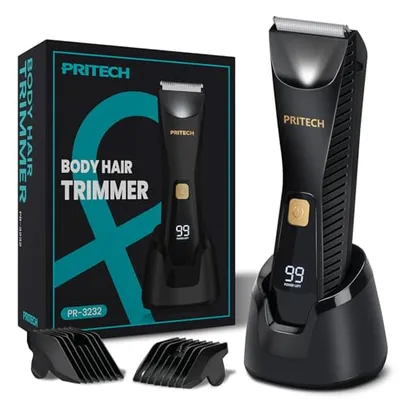
Lithium-ion battery technology has become standard due to its superior energy density, lack of memory effect, and consistent power delivery throughout the discharge cycle. A typical premium shaver offers between 45 to 60 minutes of cordless runtime on a full charge. Fast-charging capabilities are also prevalent, often providing enough power for a single shave (approximately 3-5 minutes of runtime) after only a 5-minute charge cycle. Charging docks, sometimes incorporating cleaning and lubrication systems, further enhance convenience and prolong the life of the cutting elements. Universal voltage compatibility ensures global usability, making these devices highly practical for travel.
Precision in Blade Material and Head Flexibility
The material and design of the blades are critical components influencing both shave quality and skin comfort. Blades are typically crafted from high-grade stainless steel, sometimes coated with hypoallergenic materials like titanium or nickel-free alloys to reduce skin irritation. Many systems feature self-sharpening blades, where the cutting elements are designed to hone themselves during operation, maintaining optimal sharpness over an extended period. This design choice directly contributes to the shaver's longevity and consistent performance, reducing the frequency of head replacement.
Ergonomics and Water Resistance
Ergonomics play a vital role in user experience, influencing grip, balance, and maneuverability. Shaver bodies are often engineered with non-slip grips and balanced weight distribution for comfortable handling during prolonged use. Water resistance, frequently rated at IPX7, allows for complete immersion in water, facilitating thorough cleaning under running water and enabling wet shaving with foam or gel. This versatility not only enhances the user experience by providing a choice of shaving methods but also contributes to better hygiene by simplifying the maintenance process, preventing bacterial buildup within the cutting heads.