

Understanding Electric Toothbrush Dynamics and Performance Metrics
Operational Principles and Efficacy
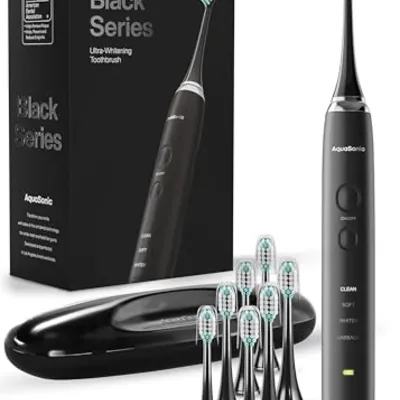
The fundamental distinction between leading electric toothbrush types lies in their mechanical action. Sonic technology leverages high-frequency, high-amplitude vibrations that create micro-bubbles in the toothpaste and saliva mixture, propelling these fluids between teeth and below the gumline. This hydrodynamic effect aids in disrupting plaque and bacteria in areas where bristles cannot directly reach, offering a non-contact cleaning benefit beyond the immediate brushing surface. The bristle tips move in a sweeping motion, mimicking recommended manual brushing techniques at an accelerated rate.
Oscillating-Rotating Technology
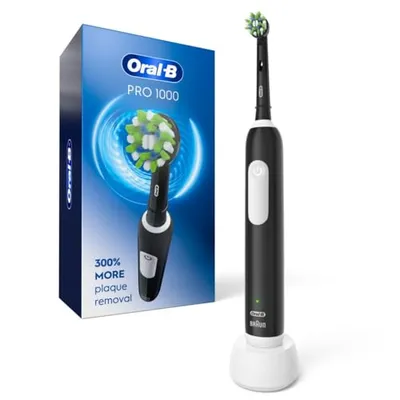
Oscillating-rotating toothbrushes employ a small, round brush head that moves back and forth, often combined with pulsations. The oscillation mechanically scrubs the tooth surface, while pulsations generate dynamic cleaning action. This mechanism is designed for a tooth-by-tooth cleaning approach, ensuring comprehensive coverage of each surface. The precise, targeted cleaning can be particularly effective for individuals seeking thorough plaque removal directly at the tooth surface.
Plaque Removal Mechanisms
Both primary technologies demonstrate superior plaque removal capabilities compared to manual brushing. Sonic brushes excel in wide-area coverage and interproximal cleaning due to fluid dynamics, making them effective for general oral hygiene. Oscillating-rotating brushes provide intense mechanical scrubbing, often preferred for their perceived deep cleaning action directly on tooth surfaces, which can be beneficial for reducing surface stains and persistent plaque.
Advanced Features and User Interface
Integrated Pressure Sensors
A critical safety and efficacy feature, the integrated pressure sensor monitors the force applied during brushing. Modern sensors utilize accelerometers or strain gauges to detect excessive pressure. Upon detection, they provide immediate feedback, typically through an illuminated LED ring on the handle, an audible alert, or by automatically reducing the brush head speed or stopping pulsations. This prevents aggressive brushing that can lead to enamel wear, gum recession, and discomfort.
Smart Timers and Quadpacers
To ensure adherence to the dentist-recommended two-minute brushing duration, electric toothbrushes incorporate smart timers. The most effective models include a quadpacer, which divides the two-minute cycle into four 30-second intervals. This prompts the user to move to a different quadrant of the mouth (upper right, upper left, lower right, lower left), ensuring uniform cleaning across all dental surfaces and preventing under-brushing in specific areas.
Battery Chemistry and Longevity
Contemporary electric toothbrushes predominantly utilize Lithium-ion (Li-ion) battery technology. Li-ion batteries offer significant advantages over older Nickel-Metal Hydride (NiMH) cells, including higher energy density, resulting in longer operational periods between charges (often two to three weeks of twice-daily brushing). They also exhibit a minimal memory effect, allowing for flexible charging without degrading battery capacity. Fast charging capabilities are common, with some models offering a full charge in a few hours.
Brush Head Design and Material Science
The efficacy of an electric toothbrush is profoundly influenced by its brush head design and bristle material. Manufacturers offer a diverse range of brush heads, each engineered for specific purposes: daily clean, sensitive, whitening, gum care, or orthodontic. Bristles are typically made from high-quality nylon filaments, precisely cut and polished to prevent abrasions. The density, length, and arrangement of bristles (e.g., cross-action, polishing cups, flossing bristles) are optimized for targeting different dental challenges. Regular replacement of brush heads, usually every three months, is crucial for maintaining optimal cleaning performance and hygiene.
Connectivity and Customization
Bluetooth Integration and App Analytics
High-end electric toothbrushes now frequently integrate Bluetooth connectivity, allowing them to pair with smartphone applications. These apps collect real-time brushing data, including duration, pressure applied, and coverage (for models with position detection sensors). The data is then analyzed to provide personalized feedback, identify missed spots, track brushing habits over time, and offer coaching tips for improved technique. This data-driven approach transforms brushing into a more informed and effective process, enhancing long-term oral health outcomes.
Customizable Brushing Modes
Beyond basic cleaning, many electric toothbrushes offer an array of specialized brushing modes. These modes often adjust the motor's speed, the frequency or amplitude of vibrations, or the oscillation pattern. For instance, a 'Sensitive' mode typically reduces intensity for gentler cleaning, while a 'Whitening' mode might incorporate polishing actions or higher-frequency pulsations. These customizable settings allow users to tailor their brushing experience to specific needs, such as managing gum sensitivity, targeting surface stains, or achieving a deeper clean.