

Deep Dive: Engineering and Application of Mixer & Food Processor Attachments
Deep Dive: Engineering and Application of Mixer & Food Processor Attachments
Understanding Drive Mechanisms and Compatibility
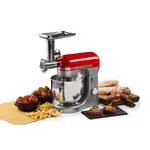
The core principle behind mixer and food processor accessories lies in their ability to harness the primary appliance’s motor power and translate it into specialized mechanical actions. This requires highly precise drive mechanisms, often involving planetary mixing actions for stand mixers or direct-drive coupling for food processors. Accessories are engineered with specific interfaces—be it a power hub, a low-speed front outlet, or a high-speed top port—each designed to mate flawlessly with corresponding appliance models. Technical specifications often detail the required RPM range and torque output an accessory needs, ensuring that the host appliance can adequately power it without undue strain or premature wear. Materials like hardened steel gears and robust polymer housings are critical in these transmission systems, guaranteeing efficient power transfer and longevity even under demanding culinary tasks.
Material Science and Food Safety
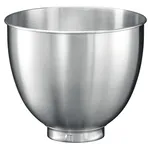
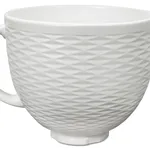
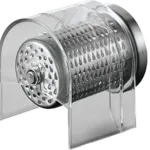
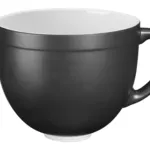
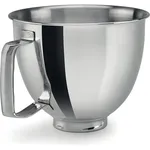
The selection of materials for these accessories is paramount, balancing durability, performance, and rigorous food safety standards. For blades and shredding discs, high-carbon stainless steel (e.g., AISI 420 or 440 grades) is preferred for its exceptional edge retention, corrosion resistance, and hygienic properties. These materials undergo specific heat treatments to achieve optimal hardness and toughness, resisting dulling and bending under stress. For bowls, chutes, and housing components, BPA-free Tritan co-polyester or high-grade polypropylene are common, offering transparency, impact resistance, and chemical stability without leaching harmful substances into food. Cast iron or heavy-duty aluminum are often used for components requiring significant mass and rigidity, such as meat grinder bodies or pasta maker frames, often finished with food-safe coatings to prevent oxidation and ensure easy cleaning.
Specialized Attachments: Beyond Basic Processing
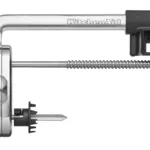
Modern accessories have evolved far beyond basic chopping and mixing. Consider the spiralizer attachment, which uses precision blades and a geared drive to create uniform vegetable spirals, requiring consistent torque and minimal lateral deflection. Pasta maker attachments, whether roller or extruder types, depend on precisely machined rollers and dies, often crafted from hardened steel or bronze, to produce specific pasta shapes under controlled pressure and speed. Grain mills feature conical or flat burrs, typically ceramic or steel, for finely grinding grains, demanding robust motor coupling and efficient cooling to prevent overheating. Juicer attachments, particularly slow juicers, utilize an auger system to masticate produce, extracting juice with minimal oxidation, which necessitates high-strength polymers or stainless steel for the auger and filter components. Each accessory presents unique engineering challenges, demanding specific material properties, geometric tolerances, and operational parameters to deliver its intended culinary function effectively and safely.