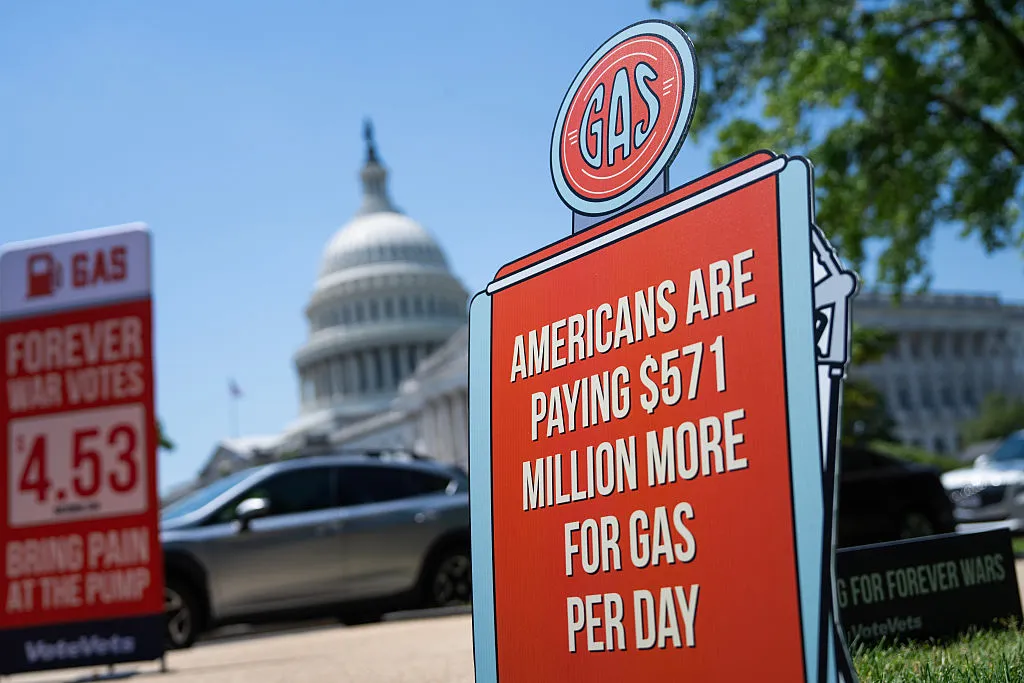
The global economy's deep-seated reliance on fossil fuels is proving to be a significant vulnerability, particularly when exacerbated by geopolitical conflicts and the escalating costs of climate change. Recent events, including a major U.S.-led military engagement concerning Iran, have triggered substantial increases in crude oil prices. This surge directly translates into higher costs for gasoline and diesel, impacting a wide array of consumer goods and services. The intricate connection between fossil fuel prices and everyday expenses highlights how intertwined energy markets are with the broader economic landscape, affecting everything from transportation to food production.
Beyond the immediate impact on fuel costs, the ramifications extend to critical sectors like agriculture. The price of chemical fertilizers, essential for modern farming, is directly linked to natural gas prices, as natural gas is a primary feedstock for nitrogen-based fertilizers. With a significant portion of global urea supply originating from the Middle East and subject to disruptions from the Strait of Hormuz closure, fertilizer costs are escalating. This, coupled with the heavy dependence on diesel-powered logistics for food distribution, creates a cascading effect that drives up grocery prices, imposing further economic strain on households worldwide.
Global Price Shock and Supply Chain Disruptions
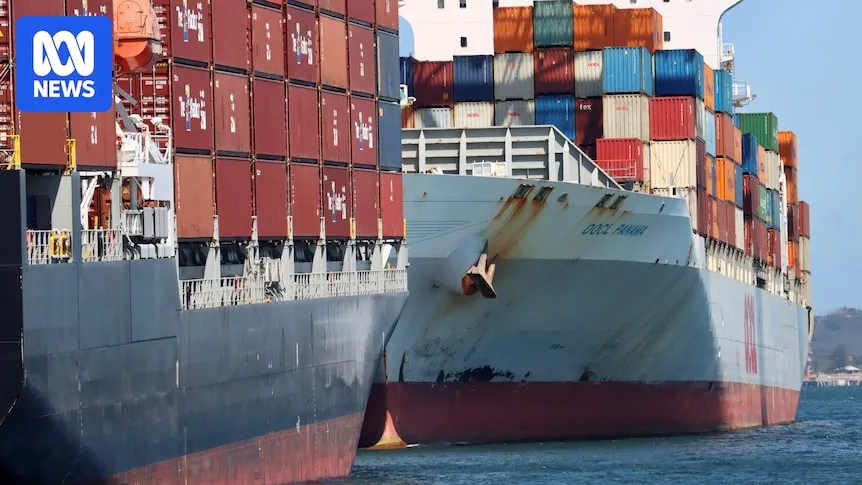
The current geopolitical climate, particularly the conflict involving Iran, has sent shockwaves through the global energy markets, leading to an unprecedented spike in crude oil prices. This price escalation has a direct and immediate impact on the cost of gasoline and diesel fuel, which are fundamental to transportation and logistics. The ripple effect is evident in rising transportation surcharges for goods, contributing significantly to the upward pressure on consumer prices across various sectors. Economists warn that this trend is likely to persist in the coming months, impacting global supply chains and contributing to inflationary pressures.
The agricultural sector is particularly sensitive to these energy market fluctuations. The production of nitrogen-based fertilizers, crucial for crop yields, relies heavily on natural gas. Disruptions to global natural gas supply or significant price increases directly translate to higher fertilizer costs for farmers. This increase in input costs for agriculture, combined with the energy-intensive nature of food processing and distribution, inevitably leads to higher food prices for consumers. Experts forecast that the economic fallout from these supply chain disruptions could be long-lasting, with developing economies in regions like the Asia-Pacific, Africa, and the Middle East facing disproportionately severe consequences.
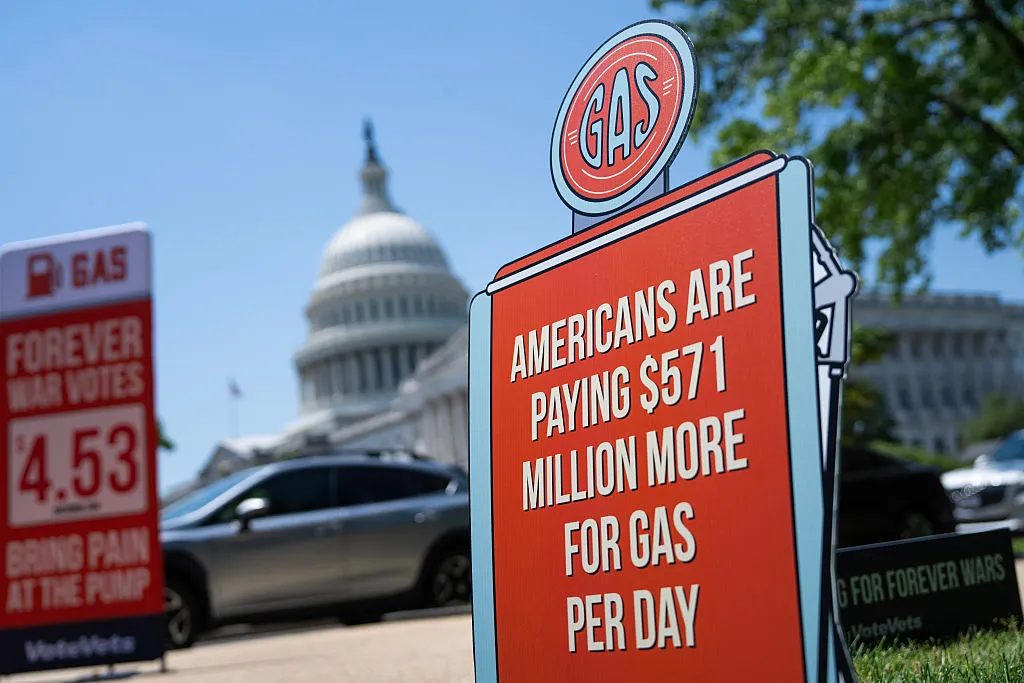
Impact on Electricity Costs and Energy Policy
The dependence on fossil fuels extends to the generation of electricity, with natural gas being a dominant source in many regions. As natural gas prices become more volatile due to global demand and export pressures, residential and industrial electricity bills are experiencing a notable surge. This trend is further complicated by the increasing energy demands of rapidly expanding sectors like Artificial Intelligence (AI), which necessitate large-scale data centers often powered by gas-fired plants. This creates a feedback loop, increasing reliance on fossil fuels and making energy grids more susceptible to price shocks.
Simultaneously, the development and integration of renewable energy sources, such as wind and solar, which offer cost-effective and sustainable alternatives, are being hampered by policy decisions and regulatory hurdles. Efforts to actively block or slow down the deployment of renewable energy infrastructure lock in dependence on volatile fossil fuel markets. This hinders the transition to a more stable and affordable energy future, leaving economies more vulnerable to energy price volatility and contributing to persistent inflation in electricity costs. The sustained push for fossil fuels, often framed as an economic necessity, overlooks the long-term costs associated with energy insecurity and price volatility.
Climate Change: An Escalating Economic Burden
Beyond direct energy costs, the broader economic impact of climate change, driven by the burning of fossil fuels, is becoming increasingly apparent. The heightened frequency and intensity of extreme weather events—such as wildfires, hurricanes, and floods—are resulting in escalating disaster-related costs. These costs are borne by taxpayers through disaster relief efforts, by insurance companies through payouts, and directly by affected individuals and communities through property damage and loss of livelihood.
The increasing severity of climate-related disasters is also driving up insurance premiums, making homeownership unaffordable in vulnerable regions and potentially impacting mortgage accessibility. Furthermore, climate change-induced shifts in weather patterns—including prolonged droughts and severe floods—disrupt agricultural output, leading to reduced crop yields and driving up food prices. The environmental consequences of fossil fuel extraction, such as water contamination from drilling and fracking, also impose significant health and economic burdens on communities, requiring costly medical treatments and the need for alternative water sources.
Impact Analysis
The current economic landscape demonstrates a critical flaw in the global energy infrastructure: an over-reliance on fossil fuels. Geopolitical instability, particularly in energy-rich regions, can trigger widespread economic disruption, affecting everything from basic commodities like food and fuel to essential services like electricity. The narrative that fossil fuels are economically advantageous is increasingly challenged by the tangible costs associated with price volatility, supply chain vulnerabilities, and the compounding effects of climate change. A rapid and decisive transition to diversified, renewable energy sources is not merely an environmental imperative but an economic necessity to ensure long-term stability, affordability, and resilience against future shocks.