For decades, the prevailing image of the cave lion (Panthera spelaea) has been that of a more formidable, robust ancestor to the modern lion. However, groundbreaking research utilizing ancient DNA analysis has dramatically reshaped this understanding, revealing the cave lion as a highly distinct evolutionary branch with unique biological characteristics that set it apart from its contemporary relatives. This new perspective fundamentally alters our comprehension of this extinct apex predator.
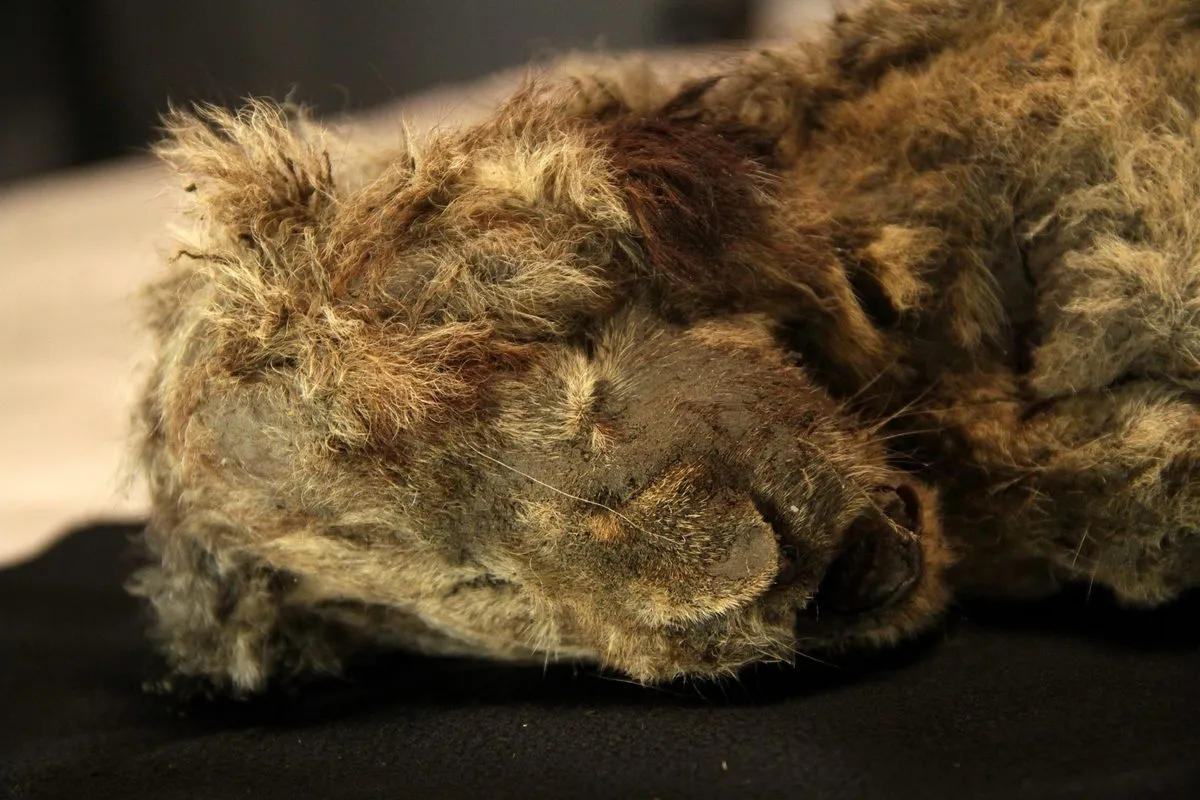
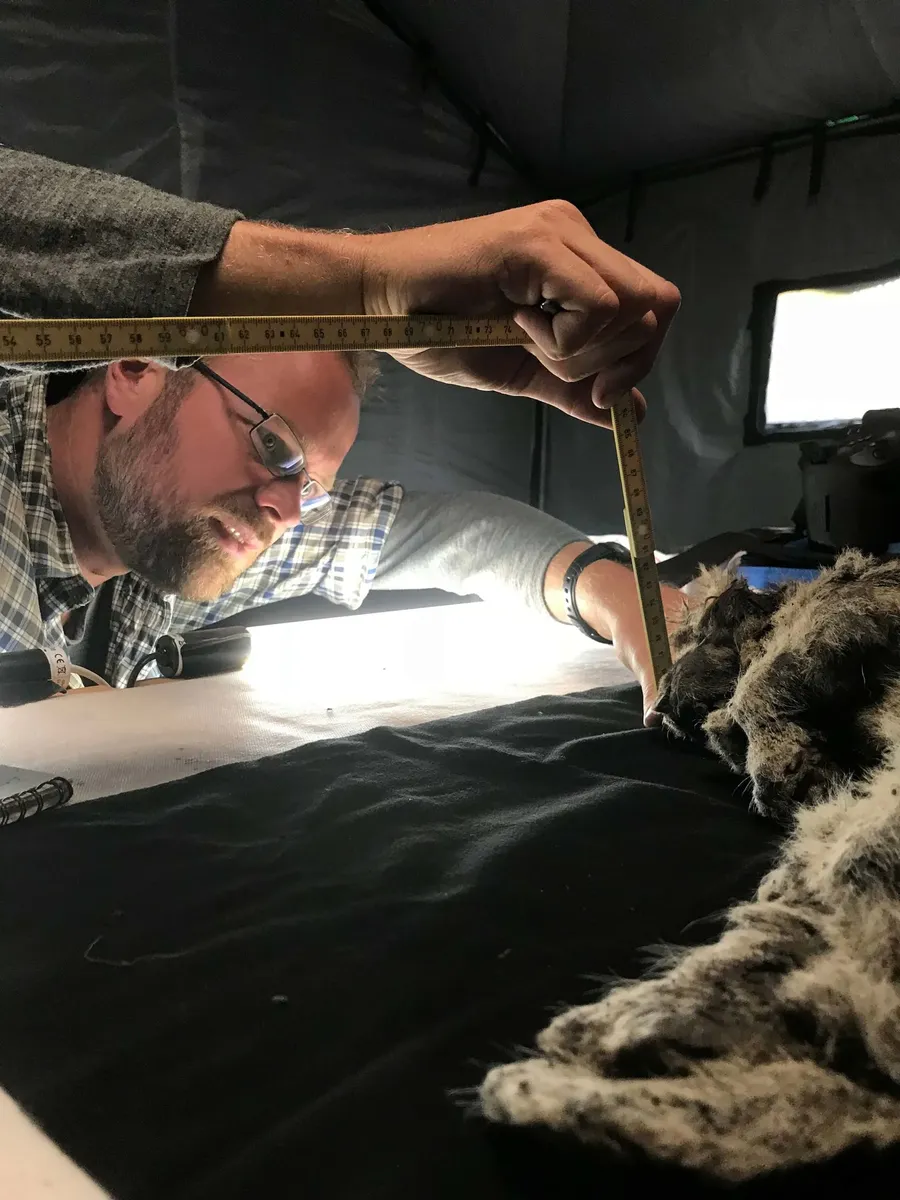
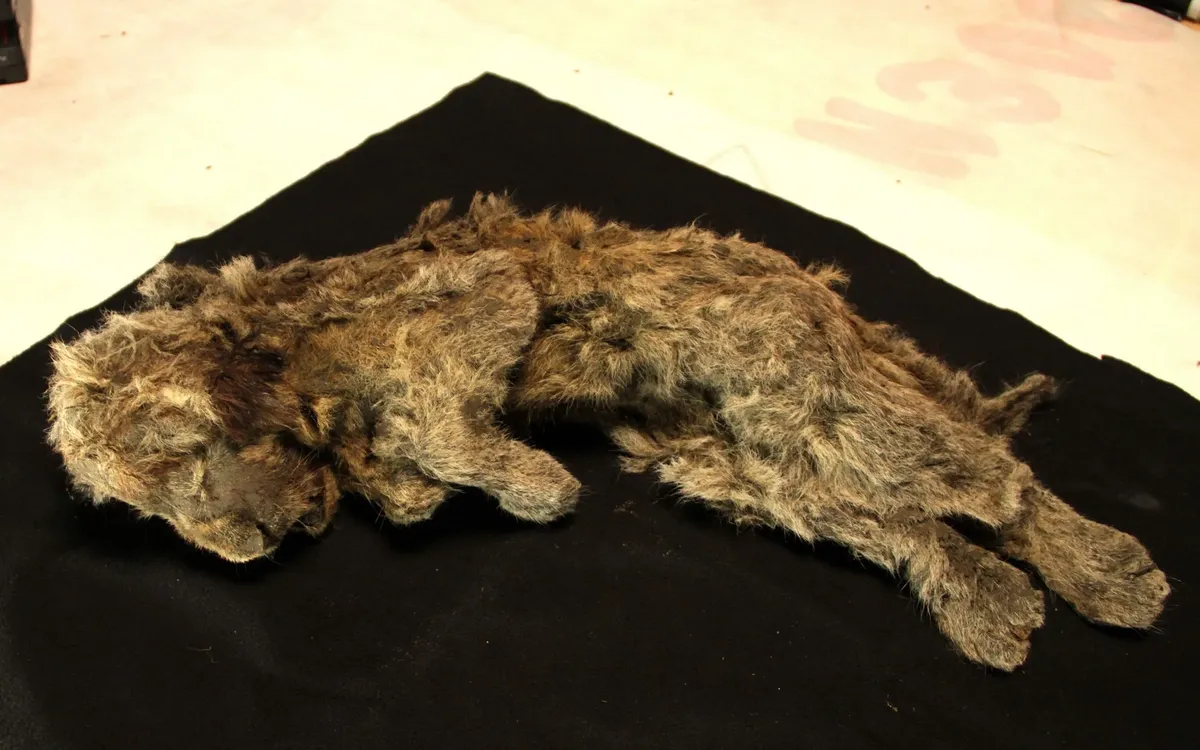
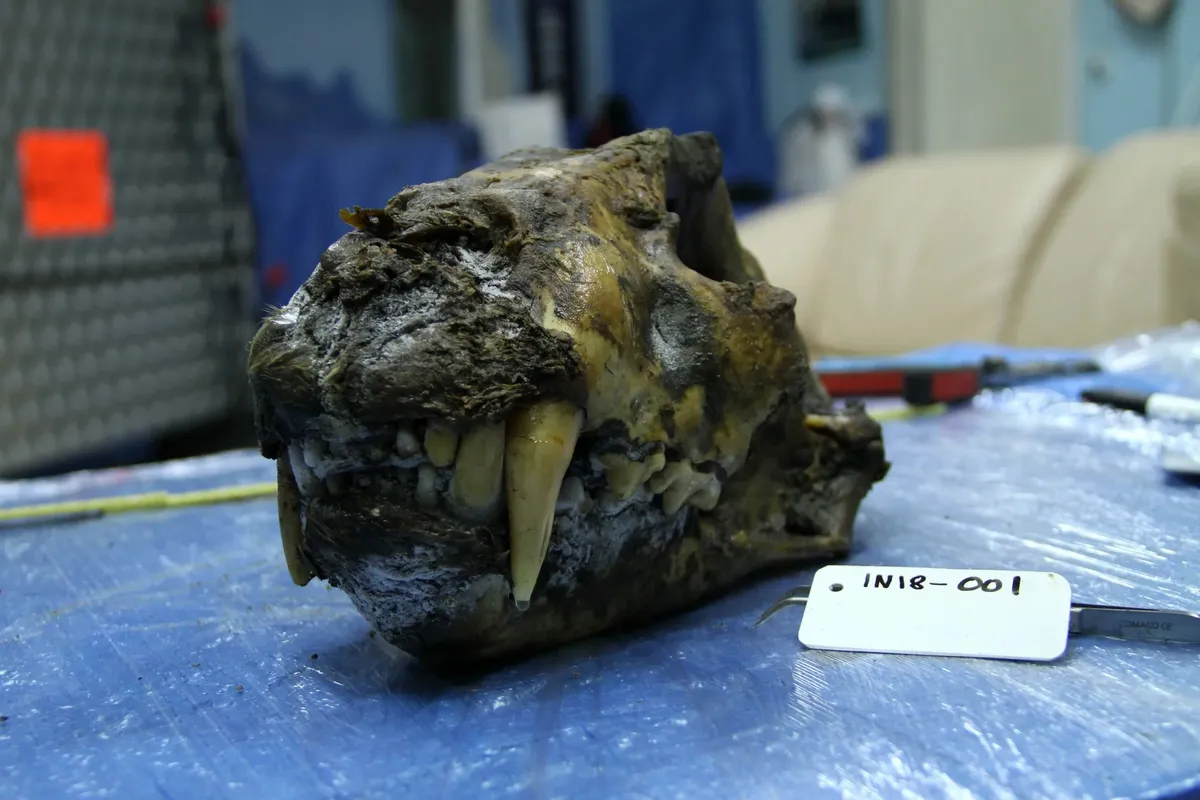
A comprehensive study, spearheaded by researchers at the Centre for Palaeogenetics (CPG) with contributions from Stockholm University and the Swedish Museum of Natural History, meticulously examined 12 cave lion genomes. These ancient samples, sourced from across Eurasia and extending into northern North America and spanning over 100,000 years, were systematically compared against 20 genomes from extant lions inhabiting Africa and southern Asia. The DNA extraction process primarily targeted cave lion bones and teeth, with remarkable success also achieved from exceptionally well-preserved soft-tissue specimens, including two remarkably intact cubs recovered from the Siberian permafrost.
Unveiling a Separate Evolutionary Path
The comparison of cave lion and modern lion genomes has unequivocally demonstrated their separation into clearly defined, distinct groups. This genetic divergence significantly pushes back the estimated timeline of their split. Previously, it was theorized that cave lions and modern lions diverged around 500,000 years ago. The latest genetic evidence, however, suggests a much earlier separation, potentially exceeding 1.5 million years. This extended period of independent evolution allowed for the accumulation of unique biological traits.
Lead author David Stanton, formerly a postdoc at Stockholm University and now a lecturer at Cardiff University, commented on the findings: "Cave lions have often been portrayed as just larger, more rugged versions of modern lions. But what we see in their genomes is something much more remarkable – a lineage that has been evolving independently for over a million years, accumulating its own unique biological features." This highlights that the differences were not merely superficial but represented deep-seated evolutionary divergences.
Genetic Markers of Distinction
Beyond establishing a distinct evolutionary timeline, the genomic analysis pinpointed several genetic variations that underscore the cave lion's unique biological makeup. These variations are associated with critical physiological functions, including brain development, vision, growth patterns, and circulatory systems. This genetic blueprint suggests that cave lions likely possessed not only different physical appearances but also distinct behavioral patterns compared to modern lions.
These genetic insights align compellingly with existing fossil records and ancient artistic depictions. The portrayal of cave lions in Paleolithic art, which often shows males lacking the prominent manes characteristic of modern lions, supports the hypothesis that they were visually distinct. Furthermore, evidence suggests they may have had paler coats, contributing to their unique appearance in Ice Age environments.
Interactions and Environmental Influence
Despite their long period of divergence, cave lions and modern lions did not exist in complete genetic isolation from each other. The study revealed multiple instances of interbreeding between the two species occurring over tens of thousands of years. Although the genetic contribution from modern lions to the cave lion gene pool was relatively minor, these hybridization events were geographically widespread and occurred at various points in time.
Intriguingly, the researchers found a strong correlation between these interbreeding events and significant shifts in global climate. During colder periods, when ice sheets expanded, cave lion populations are believed to have migrated southward. This movement brought them into contact with modern lion populations in regions like Central and Southwest Asia, facilitating gene flow. The increase in modern lion ancestry observed in cave lion genomes during glacial periods serves as direct evidence of these climatic influences on species interaction.
Co-author Love Dalén emphasized the dynamic role of climate: "Our results suggest that past climate change did more than reshape habitats. It actively brought species together, creating brief opportunities for interbreeding that would not have existed otherwise." This demonstrates how environmental pressures can drive evolutionary dynamics and interspecies relationships.
The Siberian Cub 'Sparta'
Among the most significant discoveries was the analysis of exceptionally preserved specimens, including the 32,000-year-old female cave lion cub named 'Sparta.' Recovered from the Siberian permafrost, Sparta provided an invaluable source of ancient DNA, allowing for detailed genomic sequencing. The study of such specimens offers an unprecedented glimpse into the morphology and genetics of these ancient felines.
The genetic evidence points towards a now-extinct population of modern lions in Southwest Asia as the most probable source of the genetic material introduced to cave lions. However, the study also underscores the resilience and adaptability of cave lions, noting their capacity for rapid dispersal and gene flow across vast distances, even without significant admixture from modern lions.
Impact Analysis
This comprehensive genetic analysis of cave lions represents a significant leap forward in our understanding of Pleistocene megafauna. By establishing the cave lion as a distinct evolutionary lineage, the research necessitates a re-evaluation of its taxonomic status and its ecological role within ancient ecosystems. Furthermore, the findings provide critical insights into the complex interplay between climate change, habitat dynamics, and species evolution, demonstrating how environmental shifts can facilitate both divergence and hybridization. The study highlights the power of ancient DNA in resolving long-standing paleontological questions and offers a template for future investigations into the evolutionary history of other extinct species.