
The California Energy Commission (CEC) has introduced a regulatory proposal that could dramatically reshape the automotive aftermarket tire sector. Dubbed the "Replacement Tire Efficiency Program," the initiative aims to curb the state's carbon emissions by mandating that all replacement tires sold meet or exceed the efficiency standards of original equipment (OE) tires fitted to new vehicles. This move is predicated on the belief that OE tires generally offer superior energy efficiency compared to their aftermarket counterparts, and by elevating aftermarket tire performance, California anticipates a reduction in CO2 emissions and a boost in fuel economy for its residents.
The CEC projects significant financial benefits for consumers, estimating average savings of $79 over a four-year tire lifespan between 2028 and 2031, escalating to $153 per lifespan from 2031 onwards. Collectively, these savings are projected to amount to $1 billion annually for drivers, alongside an annual reduction of 2 million metric tons of CO2. However, critics argue that this proposal overlooks crucial factors related to tire functionality, wear, and their environmental impact beyond fuel combustion, potentially leading to unintended consequences for both consumers and the industry.
The Complex Calculus of Tire Efficiency and Environmental Impact
While an improvement in fuel efficiency is generally a positive outcome, the CEC's proposal may not fully account for the total environmental footprint associated with tire production and disposal. The assertion that OE tires are inherently more efficient is often linked to specific design choices, such as lower rolling resistance compounds and shallower tread depths. These characteristics, while beneficial for initial fuel economy ratings, can significantly impact tire longevity. The production process for any tire involves energy and materials, and a shorter tire lifespan, driven by the proposed efficiency mandates, could paradoxically lead to an increase in the overall number of tires manufactured and discarded annually, potentially offsetting the emissions gains from improved fuel efficiency.
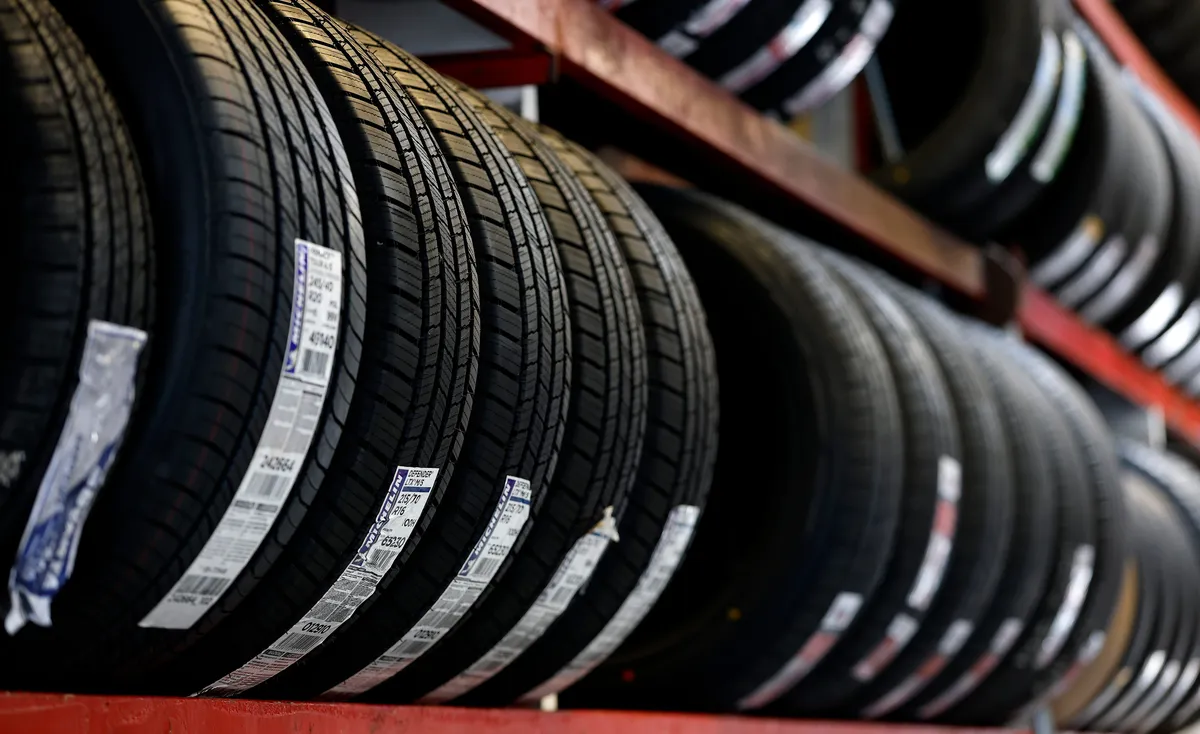 The current landscape sees tire manufacturers often withholding mileage warranties for OE tires, while their aftermarket equivalents typically come with warranties ranging from 60,000 miles upwards. This disparity suggests a deliberate tuning of OE tires to meet specific vehicle performance targets, including fuel economy, often at the expense of tread life. The environmental cost of increased tire production and waste, stemming from shorter lifespans, remains a critical, yet perhaps underexplored, aspect of the CEC's proposed regulations.
Dissecting the Efficiency Trade-offs
The proposed California rules could drastically alter the performance and lifespan expectations for replacement tires. While manufacturers are typically reticent about providing specific mileage data for factory-fitted tires, it's common for all-season replacement tires to be warrantied for 60,000 miles or more. Analysis of tire test data indicates that the CEC's proposed standards could potentially reduce the service life of replacement tires to under 30,000 miles. This significant reduction raises concerns about the long-term value proposition for consumers and the sustainability of the tire lifecycle.
 Consider the example of a Hankook Kinergy GT all-season tire in the size 195/65R-15. The OE version, often standard on vehicles like the Hyundai Elantra, weighs approximately 16.9 pounds and features 8.5/32 inches of tread depth. In contrast, an aftermarket version of the same tire size might weigh 17.9 pounds, boast a 10/32-inch tread depth, and come with a 70,000-mile warranty. The OE tire, designed to optimize initial fuel economy figures for the automaker, often foregoes the mileage warranty. Consumers generally accept this compromise, viewing tires as a predictable maintenance expense, but the proposed regulations could fundamentally change this dynamic.
The Broader Implications for the Tire Industry
The ramifications of the Replacement Tire Efficiency Program extend beyond consumer savings and emissions targets, potentially forcing a significant shift in tire design, manufacturing, and the aftermarket supply chain. If mandated to match OE efficiency, manufacturers might need to re-engineer tire compounds and construction methods, potentially impacting durability, grip, and cost. The industry may face a period of intense research and development to meet these new standards without compromising other critical tire performance aspects.
Furthermore, the economic impact on businesses that rely on the sale of aftermarket tires could be substantial. Tire retailers, distributors, and manufacturers specializing in the replacement market may need to adapt their product lines or face reduced market access in California. This could lead to a consolidation within the industry or a strategic pivot towards compliance, potentially influencing tire availability and pricing across the nation, even if the regulations are state-specific.
Impact Analysis
California's proposed tire efficiency regulations represent a significant regulatory intervention with far-reaching consequences. While the stated goals of reducing emissions and saving consumers money on fuel are laudable, the potential for shortened tire lifespans and increased manufacturing waste presents a complex environmental trade-off. The automotive industry, particularly the tire sector, will need to closely monitor and potentially engage with this proposal as it progresses, as it could set a precedent for future environmental regulations affecting vehicle components. The balance between fuel efficiency, tire durability, and overall environmental impact will be a critical factor in shaping the future of replacement tires.