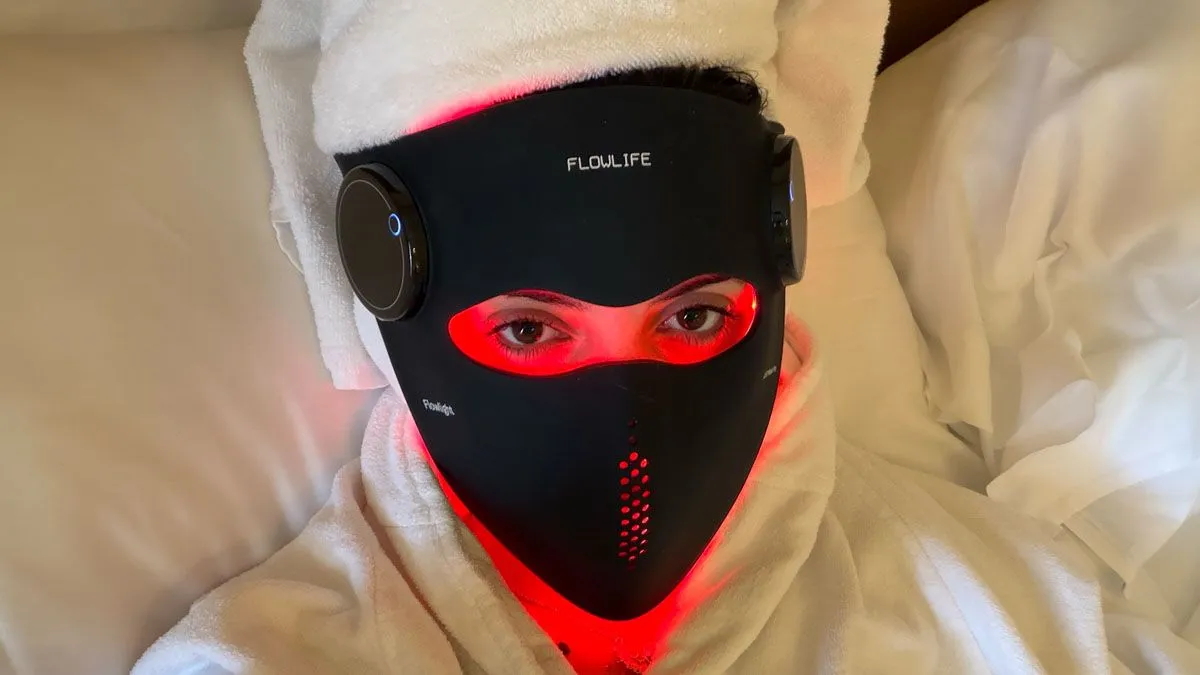
The landscape of personal beauty and wellness is undergoing a radical transformation, shifting from exclusive in-clinic treatments to sophisticated devices readily available for home use. Once confined to the hands of dermatologists and celebrity facialists, technologies like LED masks, microcurrent lifting wands, and lymphatic drainage devices are becoming standard fixtures in bathroom cabinets. This surge is fueled by a growing consumer desire for professional-grade results without the recurring costs and time commitments associated with salon appointments. The global at-home beauty device market, currently valued at a substantial $14.4 billion, is projected to expand to $21.85 billion by 2030, indicating a significant market opportunity driven by continuous technological advancements. 
This proliferation of technology includes innovations such as radiofrequency devices, at-home microneedling tools, NAD+ injectable pens, and even advanced sleep technology. While many of these products are still in their nascent stages, industry experts anticipate this wave of innovation to represent a new “gold rush” within the beauty and wellness sectors. However, as these devices increasingly encroach upon territory traditionally held by medical procedures, experts caution that the distinction between advanced skincare and quasi-medical interventions is becoming blurred. The marketing often emphasizes the device itself, but the true efficacy and safety are critically dependent on the knowledge and expertise of the practitioner, especially when procedures involve penetrating the skin, controlled injury, or tissue remodeling. This raises important questions about the safety and effectiveness of these increasingly complex at-home technologies in the absence of clinical oversight. 
The Next Wave of At-Home Beauty Innovations
NAD+ Therapies Move Home
Nicotinamide adenine dinucleotide (NAD+), a vital coenzyme naturally present in every cell and crucial for DNA repair and cellular function, is emerging as a significant frontier in at-home wellness. Its cultural momentum has been amplified by prominent figures, and it is now available through various delivery methods including supplements, IV drips, and injections, with claims of boosting energy, enhancing cognitive function, improving recovery, and mitigating visible signs of aging. Although NAD+ therapies are not FDA-approved for anti-aging or wellness indications, their popularity is driving market growth, with the global NAD+ market projected to reach $655 million by 2028. 
This growing demand has spurred the development of at-home application methods. For instance, Dr. Jonathan Leary, founder and CEO of Remedy Place, has introduced an NAD+ pen designed for self-administration. This innovation aims to make potent NAD+ therapy more accessible, particularly for busy individuals seeking consistent wellness practices. The pens, priced at $599, utilize synthetically produced NAD+ to match the body's natural coenzyme, offering a convenient alternative to in-clinic IV drips and experiencing significant month-on-month sales increases. The design focuses on user-friendliness, allowing for dosage adjustments and easy replacement of disposable tips, thereby demystifying the self-injection process and bridging the gap between clinical and home care. The broader acceptance of self-administered treatments, partly influenced by the widespread adoption of GLP-1 drugs, is paving the way for more advanced injectables like peptides to enter the home-use market. 
At-Home Microneedling and Radiofrequency Devices
Microneedling, traditionally a clinical procedure, is also seeing a surge in at-home adoption through devices from brands like Dr. Pen and Vita Vitae Beauty. These handheld pens create controlled micro-injuries to stimulate collagen production and improve product absorption. While in-clinic treatments utilize deeper penetration under supervision, at-home versions typically operate at more superficial levels (0.25mm to 0.5mm) to enhance accessibility and safety, though this may limit the depth of results. Nonetheless, consumers are drawn to the potential for clinic-style outcomes at a fraction of the recurring cost. For example, a Vita Vitae Beauty microneedling device, priced at £142, is marketed as a long-term investment for home use, contrasting sharply with the £150-£400+ per session cost of in-clinic treatments in the UK. 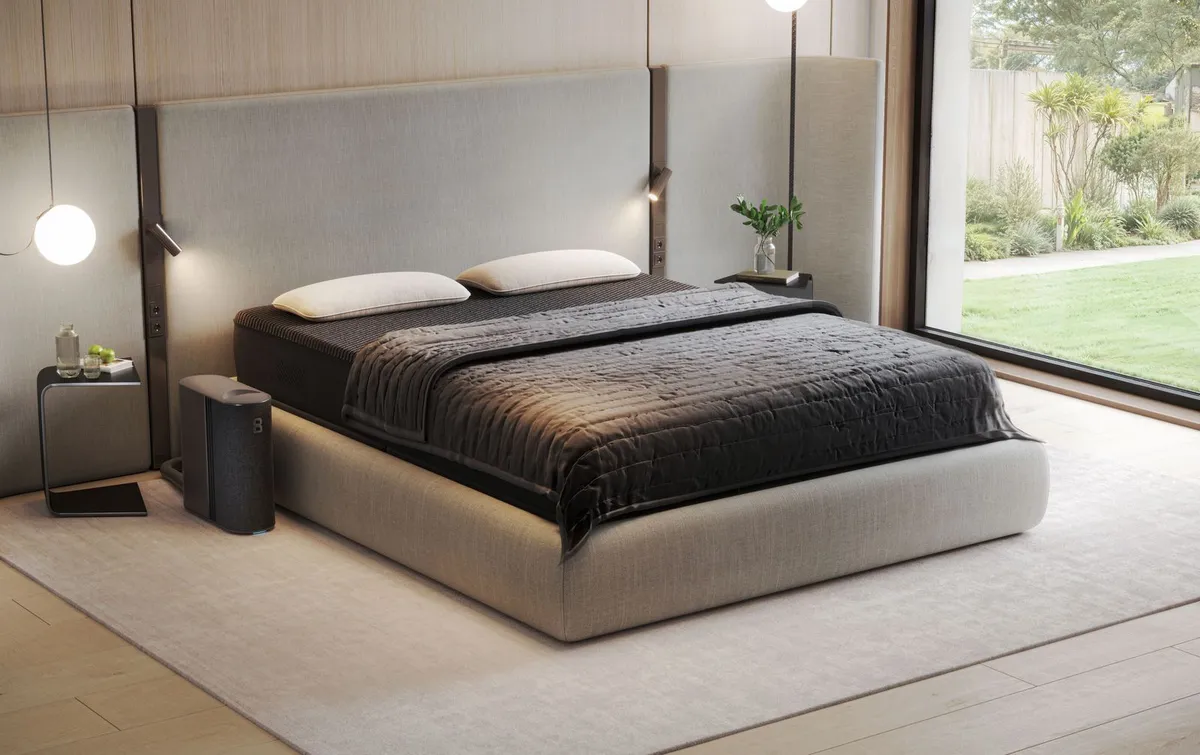
Radiofrequency (RF) is another technology transitioning into the home-use market. Clinical RF treatments use controlled heat to stimulate collagen and elastin in deeper skin layers for gradual tightening and lifting, with sessions ranging from £150 to £500. At-home RF devices aim to replicate these benefits at a lower intensity and safer format. Devices like the CurrentBody RF Radio Frequency Skin Tightening Device, priced at £299, exemplify this trend, making skin tightening technology more accessible for at-home use. The miniaturization of complex clinical machinery is enabling multi-step treatments, such as hydrofacials, to be safely replicated at home. Brands are carefully defining boundaries, focusing on devices where safety, consistency, and effectiveness can be maintained without professional supervision. This involves rigorous design and engineering to ensure that at-home treatments are both user-friendly and risk-averse, prioritizing consumer well-being above all else.
Sleep Technology Integrates AI for Enhanced Recovery
The sleep industry, a significant component of the broader wellness market, is evolving beyond simple measurement to active intervention, largely driven by AI and biometrics. Alexandra Zatarain, co-founder of Eight Sleep, highlights this shift, emphasizing that technology can now actively improve sleep quality in real-time. Eight Sleep's AI-powered smart mattress technology, for example, uses user biometrics and sleep data from millions of nights of sleep to make personalized temperature adjustments, optimizing the sleep environment for better recovery. This approach extends to broader nervous system regulation, considering factors like temperature, stress response, and vagus nerve stimulation to help the body transition between alertness and rest.
The extensive data collected by companies like Eight Sleep, analyzing over a billion hours of sleep data from users globally, allows them to address sleep-related issues with a depth and precision previously unattainable. The Women’s Sleep Initiative, for instance, has provided valuable insights by analyzing extensive sleep data from thousands of women. This data-driven approach not only enhances individual sleep quality but also contributes to a broader understanding of sleep science, enabling the development of more sophisticated and effective sleep and recovery solutions. The integration of AI and real-time biometric tracking is positioning sleep technology as a critical pillar of overall health and performance, moving beyond mere convenience to active health optimization.
Navigating the Risks of At-Home Beauty Devices
Safety, Efficacy, and Regulatory Gaps
The increasing sophistication of at-home beauty devices presents a significant challenge: as they approach clinical efficacy, they also carry potential clinical-level risks. This has led some brands, like Shark Beauty, to consciously avoid categories that involve breaking the skin barrier or require professional assessment and hygiene protocols, such as microneedling. Their strategy focuses on technologies like LED and hydrofacials, which have been adapted for safe and effective home use through miniaturization and user-centric design, ensuring consistency and efficacy without clinical oversight.
A critical concern highlighted by experts like Dr. Michael Moore is the quality and regulation of products available online. Many may be poorly regulated, counterfeit, contaminated, or simply not as advertised, leading to compromised results or adverse effects. Even with legitimate products, the efficacy of treatments like microneedling heavily depends on correct diagnosis, dosage, placement, and technique. Incorrect application can result in inadequate results, inflammation, pigmentation, or scarring. Transparency through features like scannable barcodes on products, providing access to testing and certification data, is one method brands are employing to build consumer trust and assure them of product legitimacy.
Defining Boundaries and Future Convergence
Many clinicians advocate for certain treatments, particularly all injectables (including botulinum toxin, fillers, and skin boosters) and more aggressive energy-based or microneedling procedures, to remain exclusively within clinical settings. This is due to the necessity of professional assessment, sterile techniques, anatomical knowledge, appropriate device settings, and the capacity to manage potential complications. The risk of category oversaturation is also a concern, with experts advising that not all beauty brands need to offer devices, and new entries should possess credible authority and a clear value proposition for consumers.
The future of at-home beauty technology is anticipated to move beyond single-function devices towards integrated, intelligent systems. This could include devices combining multiple modalities like LED, microcurrent, and EMS, enhanced by AI for personalized user experiences. These tools are expected to learn from users, adapt over time, and potentially connect with broader health data ecosystems, offering a more holistic and personalized approach to beauty and wellness. Furthermore, the synergy between advanced topicals and devices is expected to grow, with formulations specifically designed to enhance the benefits of at-home treatments, creating a more comprehensive and effective at-home care regimen.