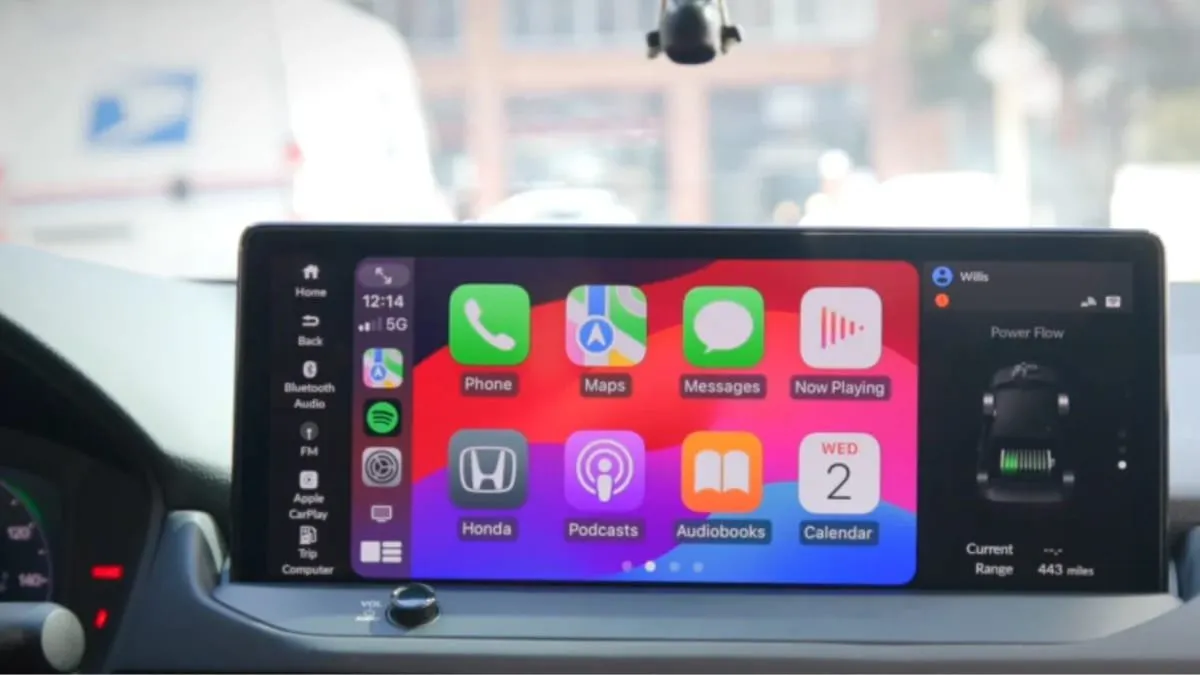
Rivian, the electric vehicle manufacturer, has publicly stated that established in-car operating systems like Apple CarPlay and Android Auto are fundamentally obsolete. This bold claim comes from a company that notably omitted these popular integration systems from its vehicles, opting instead for a proprietary software approach. Rivian's stance suggests a paradigm shift is already underway in how automakers envision the future of vehicle-human interaction, moving beyond simply mirroring smartphone interfaces to developing deeply integrated, custom software experiences.
The decision to forgo CarPlay and Android Auto was met with some initial consumer apprehension, a common reaction when familiar user interfaces are absent. However, Rivian's leadership is doubling down on their strategy, asserting that their in-house developed software offers a superior, more streamlined, and future-proof experience. This approach allows for tighter integration with the vehicle's hardware and unique electric vehicle features, potentially offering benefits that third-party integrations cannot easily replicate. The company believes that by controlling the entire software stack, they can deliver a more cohesive and advanced user experience.
Rivian's Proprietary Software Ecosystem
The Case Against Third-Party Integrations
Rivian argues that relying on platforms like Apple CarPlay and Android Auto inherently limits the potential for innovation within the vehicle. These systems, designed for a wide range of devices, often present a generalized interface that may not fully leverage the specific capabilities of an electric vehicle, such as advanced battery management, charging optimization, or unique performance modes. By developing their own software, Rivian can tailor every aspect of the user interface to its specific hardware and user needs, ensuring a seamless and intuitive interaction that is deeply tied to the vehicle's core functions.
Furthermore, the company posits that the rapid evolution of automotive technology outpaces the development cycles and compatibility considerations of external operating systems. Rivian's strategy allows them to push updates and introduce new features more rapidly and cohesively, ensuring their vehicles remain at the forefront of technological advancement. This internal control also provides greater flexibility in integrating advanced driver-assistance systems (ADAS) and future autonomous driving capabilities directly into the vehicle's primary interface, rather than relying on potentially fragmented third-party solutions.
The Future of In-Car Experience
Rivian's vision for the future of in-car connectivity centers on a unified, intelligent software platform that acts as the central nervous system for the vehicle. This system is designed to be context-aware, anticipating user needs and providing relevant information and controls without requiring explicit user input. For example, the system might automatically suggest the most efficient charging route based on real-time traffic and battery status, or adjust climate controls based on the driver's typical preferences and the ambient conditions.
The company emphasizes that their proprietary system is built with extensibility and personalization in mind. While it may not mirror the exact functionality of CarPlay or Android Auto, it aims to provide a richer and more integrated experience. This includes deeply embedded navigation that understands EV-specific requirements, seamless control over vehicle settings, and unique features tailored to the Rivian ownership experience. The goal is to create an environment where the technology enhances, rather than distracts from, the driving experience.
Consumer Adoption and Industry Impact
While Rivian's confident declaration might seem contrarian, it reflects a growing trend among some automotive manufacturers to reclaim control over the in-car digital experience. By investing heavily in their own software development, companies like Rivian aim to differentiate themselves in an increasingly competitive EV market. This strategy, if successful, could set new benchmarks for in-car technology and user interface design, potentially pushing other manufacturers to reconsider their reliance on third-party mobile integration platforms.
The long-term success of Rivian's approach will depend on its ability to continuously innovate and deliver a user experience that is not only functional but also compelling enough to win over consumers accustomed to the familiarity of Apple CarPlay and Android Auto. The transition signifies a broader industry debate about whether the future of automotive interiors lies in open integration or in curated, manufacturer-controlled digital ecosystems.
Impact Analysis
Rivian's assertion that Apple CarPlay is obsolete signals a potential bifurcation in the automotive software landscape. Established automakers may face increased pressure to develop more sophisticated proprietary systems to compete with EV startups that prioritize in-house solutions. This could lead to a future where vehicle software is a key differentiator, offering unique user experiences rather than standardized interfaces. Consumers may eventually benefit from more integrated and advanced features, but could also face a more fragmented ecosystem, depending on brand loyalty and specific vehicle capabilities. The trend also raises questions about data privacy and security as manufacturers assume greater responsibility for the entire software stack.