Recent analyses of Hungary's political landscape, particularly following its latest election, highlight a crucial, yet often overlooked, aspect of European Union integration: the incremental embedding of economic and legal commitments that gradually diminish national policy flexibility. Financial analyst Bob Lyddon, specializing in EU fiscal and monetary structures, posits that the true significance of recent electoral outcomes lies not merely in the change of government but in the methodology by which EU integration progresses. This process involves elastic commitments made through electoral manifestos that, in practice, become binding over time, often without explicit voter endorsement of the final implications.
Lyddon's perspective suggests a pattern of constitutional and economic shifts being implemented post-election, driven by interpretations of broad manifesto wording. This approach, he argues, constitutes a form of contempt for the electorate, where substantial, irreversible alterations to national life are enacted through subtly worded provisions. The concern is that voters are repeatedly asked for approval, but their dissent is effectively overridden by subsequent governmental actions based on these elastic commitments, leading to a predetermined integration trajectory.
The Mechanics of EU Integration and Binding Commitments
The core of Lyddon's argument centers on how EU integration is achieved through a series of steps that, while seemingly minor at the outset, collectively lead to significant structural changes. He contends that governments can present broad outlines of their intentions in election campaigns, particularly concerning EU relations, and later implement their own detailed interpretations once in office. This strategy allows for the gradual consolidation of supranational influence and the adoption of policies that may not have received direct popular approval had their full consequences been clearly articulated beforehand.
This pattern is particularly evident in financial integration. Lyddon points to the EU's post-pandemic recovery fund as a prime example, where debt obligations are being taken on by supranational entities. While these are not immediately reflected in member states' direct debt figures reported by Eurostat, the eventual repayment will inevitably fall upon the member states through various indirect means, including taxation and increased contributions. This structural obscuring of liabilities within EU accounting frameworks means that the economic burden is passed on, often manifesting as inflation and increased costs for citizens.
Financial Integration and Future Obligations
A significant concern raised by Lyddon pertains to the escalating costs of EU membership, projected to rise sharply from January 1, 2028. This increase is directly linked to the repayment obligations arising from the Coronavirus Recovery Fund. These are described as 'shadow debts,' meaning they are financially significant but not always transparently accounted for within national budgets or commonly recognized debt metrics.
The long-term economic implications of these 'shadow debts' are substantial. Member states will face the burden of servicing these obligations, potentially impacting their fiscal policies and economic growth. Critics argue that this mechanism effectively pre-commits future national budgets to EU financial structures, thereby limiting the fiscal autonomy of member governments for years to come, regardless of their electoral mandates.
Monetary Union and the Irreversibility of the Euro
Beyond fiscal commitments, Lyddon also addresses the implications of monetary integration, specifically the potential adoption of the euro. He stresses that entry into mechanisms like the Exchange Rate Mechanism II (ERM2) and subsequent adoption of the euro represent a point of no return. Once a country irrevocably fixes its exchange rate and adopts a common currency, it loses crucial tools for economic management, such as the ability to independently control interest rates and money supply.
The risk highlighted is that entry into monetary union at an unfavorable exchange rate can import inflation and economic instability. Without the flexibility of a floating exchange rate or independent monetary policy, a country's economy becomes highly vulnerable to external shocks and the monetary policies set by the European Central Bank. Lyddon's analysis implies that a decision to join the euro, once made, locks a nation into a specific economic path with no subsequent option to revert, irrespective of future economic performance or national preference.
Electoral Mandates Versus Structural Integration
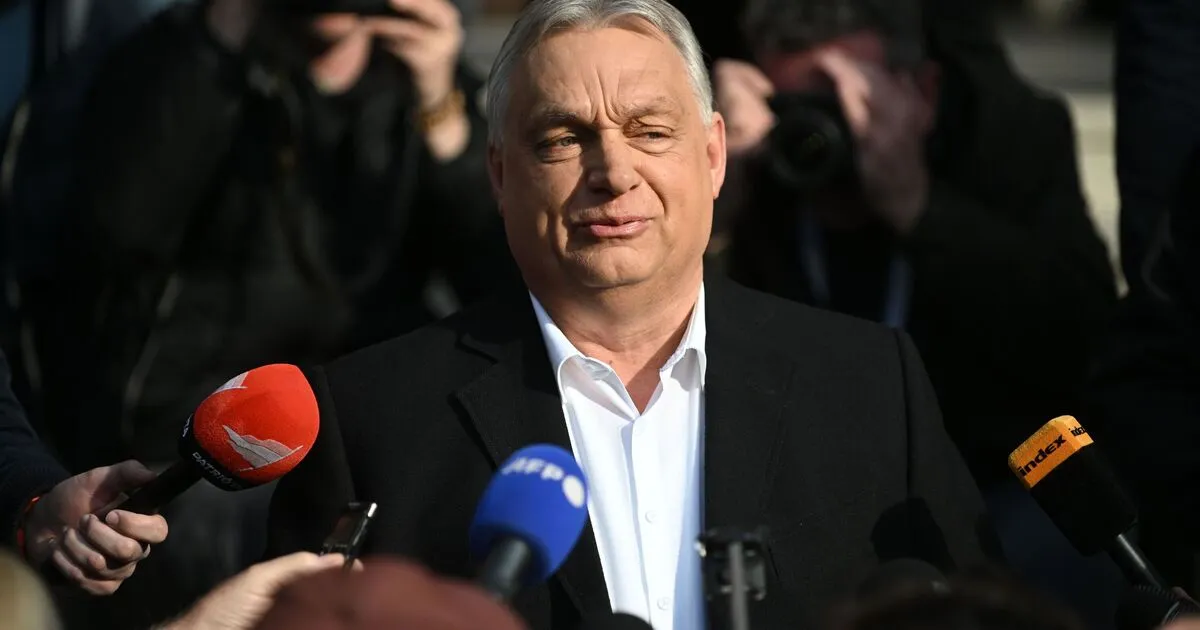
The recent Hungarian election, which saw the Tisza Party secure a significant victory over Viktor Orban's Fidesz party, has been interpreted by some as a clear signal for deeper EU integration. Pro-EU commentators often view such results as a repudiation of populist sentiment and a vote of confidence in closer European cooperation. However, Lyddon and other eurosceptics offer a counter-narrative, suggesting that these interpretations often overlook the profound structural implications of EU alignment.
From this critical viewpoint, electoral outcomes are less about a decisive shift in national direction and more about the gradual, almost imperceptible, fulfillment of pre-existing integration frameworks. The argument is that the structural integrity of the EU, with its embedded financial and legal obligations, shapes national policy direction regardless of the specific political party in power. Thus, while a change in government might signal a political transition, it does not necessarily signify a fundamental alteration of Hungary's trajectory within the EU’s integrationist model.
Impact Analysis
The analysis presented by Bob Lyddon suggests a broader cautionary note for national sovereignty within the European Union. The incremental nature of integration, particularly through financial mechanisms and monetary union, creates binding commitments that can override future electoral mandates. This framework challenges the traditional understanding of democratic consent, where policy decisions are directly tied to the will of the voters expressed at the ballot box. For countries seeking closer ties with the EU, the key challenge will be to navigate these structural commitments while preserving sufficient policy autonomy to address national economic needs and public expectations.