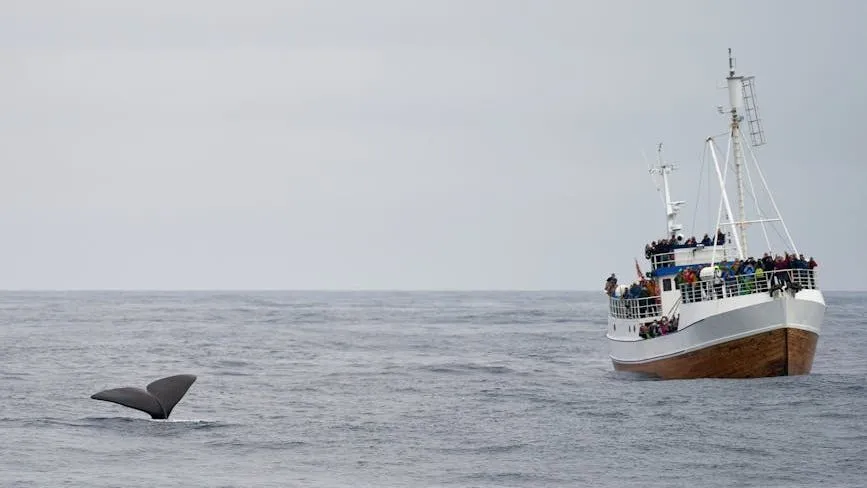
Japan has finalized its commercial whaling quotas for 2026, authorizing the capture of up to 412 whales across four distinct species. This decision reaffirms the nation's commitment to pursuing whaling for economic purposes, demonstrating a persistent stance despite significant international opposition and ongoing calls for a complete cessation of the practice. The established quotas are designed to meet domestic demand for whale products and support communities historically reliant on the whaling industry, balancing resource utilization with stated conservation objectives.
The allocations detail specific catch limits for minke, Bryde's, sei, and fin whales. Officials assert that these numbers are meticulously calculated to ensure the sustainability of whale populations while simultaneously serving the economic interests of the domestic market and the associated fisheries. This approach highlights a strategic divergence from the global conservationist consensus, emphasizing national jurisdiction over marine resource management and economic development.
Detailed Quota Breakdown for 2026
The finalized quotas for the upcoming whaling season are as follows, representing the maximum permitted take for each species. These figures are integral to the operational planning for Japanese whaling fleets and reflect a consistent policy approach adopted in recent years. The government's announcement specifies the precise numbers, providing clarity for the industry and international observers alike.
- Minke whales: 145
- Bryde's whales: 153
- Sei whales: 56
- Fin whales: 58
These figures are derived from assessments intended to balance the viability of the commercial whaling industry with ecological considerations. The government maintains that this regulated approach ensures that whaling activities are conducted responsibly and do not jeopardize the long-term health of whale stocks, particularly within Japan's Exclusive Economic Zone.
Economic Imperatives Driving Whaling Policy
Commercial viability remains a principal justification for Japan's continued whaling operations. The government posits that whaling is a legitimate utilization of marine resources, contributing to the national economy and preserving traditional culinary practices. The decision to maintain substantial quotas underscores the view that economic benefits and the sustenance of traditional industries take precedence over external pressures advocating for an outright ban.
Proponents of the practice argue that whale meat represents a valuable, sustainable protein source and that whaling activities bolster coastal economies, complementing other fishing ventures. Conversely, international critics and conservation organizations contend that the primary motivation is commercial profit rather than genuine cultural necessity in contemporary Japanese society, questioning the sustainability and ethical underpinnings of the hunts.
International Repercussions and Diplomatic Standoff
The announcement of the 2026 quotas has been met with renewed criticism from numerous countries and environmental advocacy groups. These entities often cite the perceived conflict between Japan's commercial whaling activities and global endeavors to protect cetacean populations, many of which are endangered or vulnerable. Japan, however, has consistently defended its position by asserting sovereign rights to manage and utilize its marine resources in accordance with international law, particularly after its withdrawal from the International Whaling Commission (IWC).
This ongoing divergence highlights a fundamental disagreement on the management and conservation of whales. While international bodies like the IWC have maintained moratoriums or strict regulations on commercial whaling, Japan maintains its right to conduct such activities within its territorial waters. The persistence of these quotas signals that diplomatic appeals have had limited impact on altering Japan's long-term maritime policy.
Future Outlook for Japanese Whaling
The 2026 quotas will govern the scope of commercial whaling operations for the ensuing season, maintaining a scale consistent with recent years. These specific limits provide a framework for the fleets, with operations contingent on favorable weather and established regulatory protocols. The announcement solidifies commercial whaling's place in Japan's national maritime strategy for the foreseeable future.
Adjustments to these quotas could potentially occur if new scientific findings emerge or if significant shifts in international agreements or domestic policy were to take place. However, as of the current announcement, the established figures indicate an unwavering commitment to the continuation of commercial whaling.
Impact Analysis
Japan's consistent setting of commercial whaling quotas, particularly for species like fin and sei whales that were once critically endangered, has significant implications for global marine conservation efforts and international relations. While Japan argues for sustainable resource management within its jurisdiction, the decision challenges the broader international consensus aimed at protecting vulnerable whale populations. This policy stance contributes to ongoing diplomatic tensions with nations and organizations advocating for a complete ban on commercial whaling, potentially impacting trade relations and Japan's international environmental reputation. The economic rationale provided by Japan, focusing on domestic demand and local industry support, highlights a clash between national economic interests and global conservationist objectives, setting a precedent for how other nations might approach the management of shared marine resources.