New Delhi, India – The Indian government, through the Department for Promotion of Industry and Internal Trade (DPIIT), recently convened the 109th meeting of the Network Planning Group (NPG) to meticulously evaluate a portfolio of critical infrastructure projects. These initiatives, spanning the Ministry of Railways, Ministry of Housing and Urban Affairs, and Ministry of Civil Aviation, are strategically designed to significantly bolster national logistics efficiency, reduce transit times, and generate substantial socio-economic advantages for the regions they serve. The evaluation process is firmly anchored in the principles of the PM GatiShakti National Master Plan (PMGS NMP), emphasizing integrated multimodal connectivity and a holistic, whole-of-government approach to infrastructure development.
The NPG's rigorous review focused on ensuring these projects align with the overarching goal of enhancing multimodal connectivity and optimizing logistics. This session saw the assessment of two railway line expansions, one metro rail project, and one airport development initiative. Each project was scrutinized for its adherence to the GatiShakti framework, which prioritizes seamless integration of different transport modes, ensuring last-mile connectivity to vital economic and social hubs, and fostering collaboration across various government departments.
Infrastructure Projects Under Review for National Development
Jalandhar-Jammu Rail Line Expansion
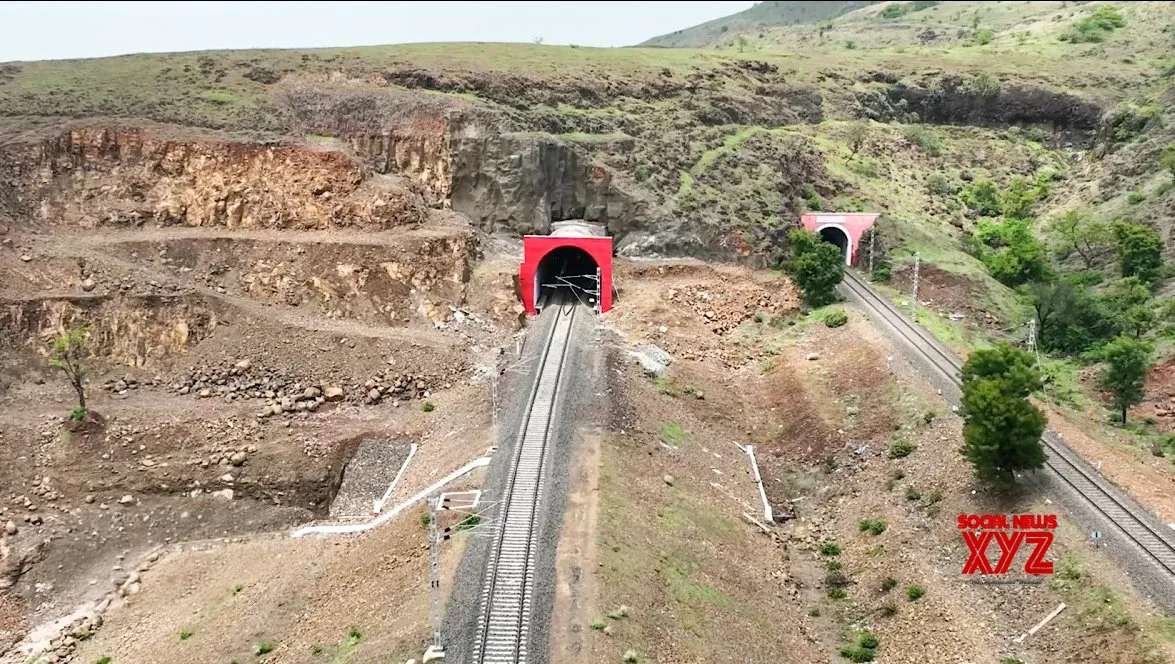
The Ministry of Railways presented a proposal for the construction of a third railway line between Jalandhar Cantt and Jammu Tawi. This ambitious project spans approximately 210.750 kilometers, traversing key states including Punjab, Himachal Pradesh, and Jammu & Kashmir. The proposed alignment is set to connect 27 stations and will pass through significant districts such as Jalandhar, Hoshiarpur, Kangra, Pathankot, Kathua, and Samba.  This expansion holds immense strategic, economic, and social importance, particularly for bolstering national security through accelerated and more reliable transportation of defense personnel and supplies to border regions. Economically, it is expected to invigorate trade and commerce by facilitating the efficient movement of agricultural produce, construction materials, and essential goods.
The enhancement of this critical rail corridor is anticipated to improve operational capacity and network resilience, thereby enabling the introduction of additional train services. This is crucial for meeting escalating traffic demands and mitigating congestion on existing lines. The project's successful implementation will not only improve passenger connectivity but also significantly contribute to the economic vitality of the region by reducing transportation costs and transit times for various industries.
Manikpur-Itarsi Rail Line Augmentation
Another significant railway proposal reviewed was the construction of a third railway line between Manikpur and Itarsi. This project is considerably larger, covering a total length of 518.532 kilometers across Uttar Pradesh and Madhya Pradesh. The planned route will encompass key districts including Chitrakoot, Satna, Maihar, Katni, Jabalpur, Narsinghpur, and Narmadapuram, thereby strengthening rail connectivity along a vital corridor linking northern and central India. The objective is to substantially increase the railway network's carrying capacity and operational flexibility.
This augmentation aims to accommodate the growing volume of both passenger and freight traffic, which has placed considerable strain on the existing infrastructure. By improving network efficiency and reliability, the project is expected to reduce operational bottlenecks and enhance the overall punctuality of train services. Furthermore, it will support economic activities by providing a more robust and dependable transportation route for goods and commodities, contributing to regional development and integration.
Greenfield Airport Development in Silchar, Assam
From the Ministry of Civil Aviation, a proposal for the development of a Greenfield Airport at Doloo, Silchar in Assam was put forth for evaluation. Strategically positioned adjacent to National Highway NH-27, this new airport is poised to become a significant catalyst for socio-economic progress in the Cachar district and its surrounding areas. The development includes modern air traffic control systems, passenger terminals, and cargo handling facilities, designed to meet international standards.
The establishment of this airport is expected to unlock new avenues for regional connectivity, promoting tourism, trade, and investment in Assam's Barak Valley region. It will provide a much-needed boost to the local economy by creating employment opportunities and facilitating the easier movement of goods and people. The project aligns with the national objective of enhancing air connectivity to remote and underserved areas, thereby fostering inclusive growth.
Surat Metro Corridor Extension in Gujarat
The Ministry of Housing and Urban Affairs presented a proposal for the extension of Surat Metro Corridor II (Phase I). This extension aims to connect Saroli to the Mumbai–Ahmedabad High-Speed Rail (HSR) corridor in Gujarat. The 4.4-kilometer elevated extension will feature three planned stations, with provisions for two future stations, thereby enhancing urban mobility within Surat.
This strategic extension is crucial for strengthening Surat's integration with national transport networks, particularly the high-speed rail system. It is designed to improve last-mile connectivity for passengers traveling via the HSR, making public transportation more accessible and efficient. The project is expected to reduce road congestion, promote sustainable urban development, and further boost the economic activity of one of India's fastest-growing cities.
Impact Analysis
The collective evaluation of these diverse infrastructure projects under the PM GatiShakti framework signifies a concerted effort by the Indian government to create a robust, integrated, and efficient multimodal transportation ecosystem. By prioritizing projects that enhance logistics, connectivity, and socio-economic development, the government aims to accelerate economic growth, improve national security, and ensure inclusive development across various regions. The emphasis on data-driven planning and inter-ministerial coordination through the NPG is crucial for overcoming traditional implementation hurdles and achieving the ambitious goals set forth by the PM GatiShakti National Master Plan.