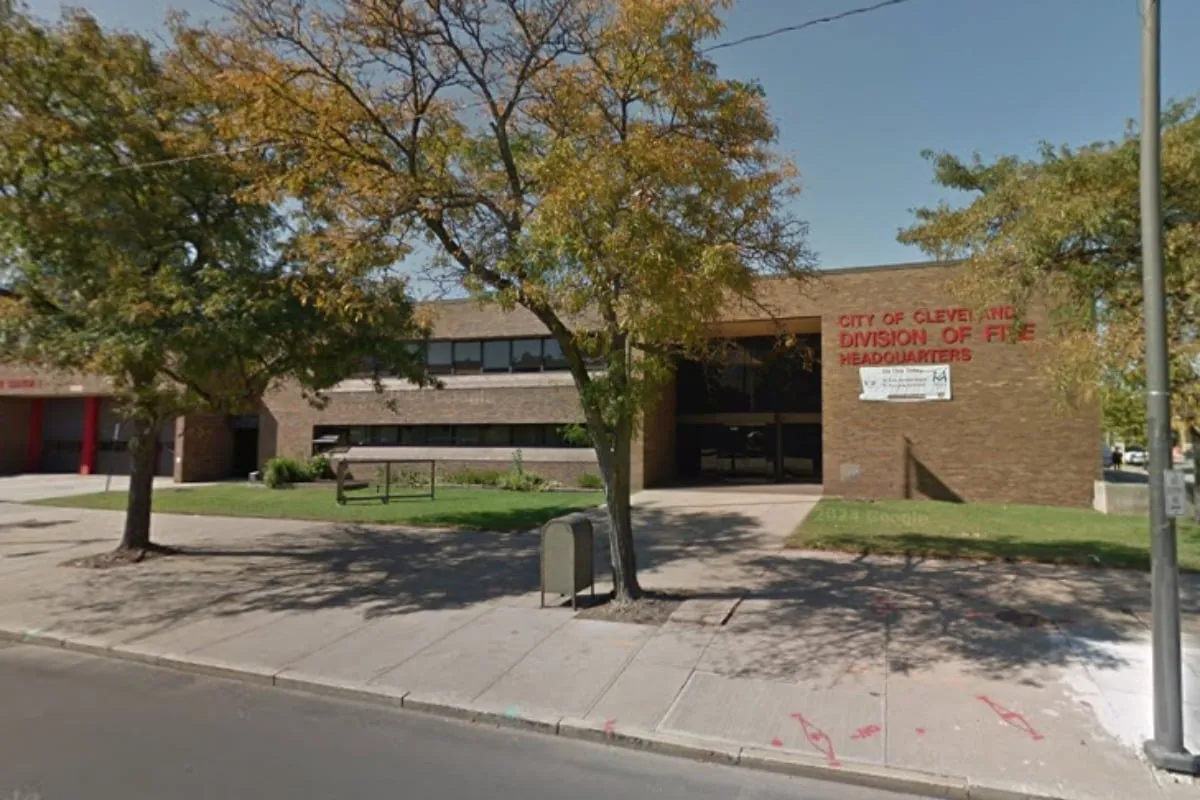
A single social media post by a Cleveland firefighter has ignited a significant internal review and escalated into a full-blown criminal investigation, according to city records. This unfolding situation has already contributed to the retirement of the former Fire Chief, Anthony Luke, and has sparked a broader community discussion regarding the boundaries of employee speech online, particularly when individuals are off-duty.
The firefighter's post, made sometime last year, has been officially handed over to law enforcement for scrutiny. While the exact nature of the post remains undisclosed to the public, its transfer to investigators signifies its potential gravity. The city's Law Department has cited the ongoing nature of the investigation as the reason for withholding specific details and related internal probe files, classifying them as part of an "open ongoing investigation." This move has led to a complex situation where transparency is limited due to the active legal proceedings.
Contentious Social Media Use and Leadership Changes
The Fallout for Fire Chief Anthony Luke
The controversy surrounding employee social media activity played a significant role in the departure of Fire Chief Anthony Luke. His retirement, effective January 18, 2026, was accompanied by a settlement agreement that included a payment of $10,000 to his legal representatives. This situation echoes previous public scrutiny of Luke himself, who faced intense backlash and was placed on paid administrative leave in the fall of 2025 following a controversial social media post he made. The mayor publicly denounced that post, initiating a city review that ultimately contributed to his early exit from his position.
 The implications of these events extend beyond individual careers, affecting departmental leadership and city policy. The administration's response to such incidents highlights the challenges of balancing public trust with individual employee freedoms, particularly for those in high-profile public service roles. The situation underscores the need for clear guidelines and consistent application of policies concerning off-duty conduct and online expression.
Financial and Legal Costs of the Investigation
The city has incurred substantial costs in addressing this matter, including the engagement of outside legal counsel. Reports indicate that these external attorneys are billing the city at a rate of approximately $300 per hour. To date, the city has disclosed around $14,000 in expenses directly related to this external legal work. The decision to allocate taxpayer funds for scrutinizing employees' social media activity has drawn criticism from some residents and elected officials, who are now advocating for more definitive policies and clearer protocols to govern when and how the city should fund such investigations.
This expenditure raises questions about the city's priorities and the proportionality of resources allocated to investigating online speech versus other pressing public concerns. The transparency surrounding these costs, while partial, has nevertheless fueled a public debate about accountability and the effective use of public funds in managing employee conduct in the digital age.
Official Stance and Legal Perspectives
The Mayor's Office and Law Department's Position
The office of Mayor Justin Bibb has communicated that leaders in public safety are expected to serve as "standard-bearers" for the community. The administration confirmed that paid leave was implemented while the city conducted its review of the social media posts. The Law Department has reiterated that portions of the investigative file cannot be released due to their connection with an active criminal inquiry, thereby limiting public access to information. Despite requests for further comment from the I-Team, the mayor's office has reportedly not provided additional statements on certain aspects of the case.
This approach reflects a careful navigation of legal sensitivities and public relations. By citing an ongoing criminal investigation, the city is able to maintain a degree of confidentiality, which is often standard practice in such cases. However, this also leads to public frustration and a lack of clarity, particularly for those seeking accountability and understanding of the processes involved.
Expert Analysis on Employee Speech Rights
Legal experts specializing in employment law have noted the complex legal terrain involved in disciplining public safety employees for off-duty online speech. Andrew Geronimo, a law professor at Case Western Reserve University, has advised that legal protections generally safeguard government workers' speech outside of their employment duties. This protection typically holds unless the speech can be demonstrated to directly and substantially interfere with their job responsibilities. This legal standard provides a framework for why the city is proceeding with caution throughout the ongoing reviews and criminal investigation.
The legal precedent suggests that employers, including city governments, must carefully balance their interest in maintaining an effective workforce and public image against the constitutional rights of their employees. The outcomes of this investigation will likely be influenced by how the firefighter's post is interpreted within these legal boundaries, and whether it can be proven to have a direct impact on their capacity to perform their duties or the functioning of the fire department.
Ongoing Investigation and Information Gaps
Currently, many critical details surrounding the firefighter's social media post and the subsequent investigation remain confidential. The I-Team continues to advocate for the release of the complete internal investigation file. Furthermore, the results of any related reviews conducted within the Emergency Medical Services (EMS) have not been publicly disclosed. Cleveland police have directed media inquiries regarding updates to the Department of Public Safety, indicating that an official update is anticipated.
Officials and investigators have deliberately withheld providing a more concrete timeline for the resolution of the case, largely due to the unresolved criminal component. This lack of definitive information leaves the public and media in a state of uncertainty, awaiting further developments that could shed light on the specifics of the case and its ultimate resolution.