

Navigating the World of Additive Manufacturing: A Comprehensive Guide
Understanding 3D Printing Technologies and Materials
The realm of 3D printing, also known as additive manufacturing, encompasses a diverse array of technologies, each optimized for specific applications and material types. At its core, 3D printing involves building three-dimensional objects layer by layer from a digital design. The choice of printer technology directly dictates the compatible materials and the characteristics of the final printed part, including strength, flexibility, surface finish, and resolution.
Filament-Based Printing: FDM Technology
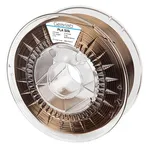
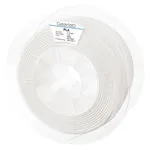
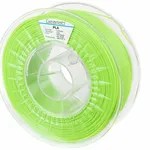
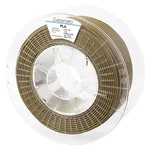
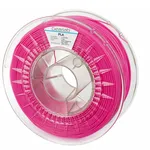
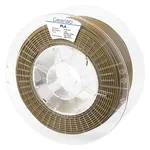
One of the most widely adopted and accessible technologies is Fused Deposition Modeling (FDM), primarily associated with Filament 3D Printers. These machines operate by extruding a thermoplastic Filaments through a heated nozzle, depositing it onto a build platform layer by layer. The versatility of Filaments is immense, ranging from common plastics like PLA and ABS to specialized engineering materials such as PETG, Nylon, and advanced composites infused with carbon fiber or glass. Understanding the specific properties of different Filaments is key to achieving desired mechanical and aesthetic outcomes. Furthermore, supporting these printers are a variety of Filament 3D Printer Accessories, which enhance performance, maintenance, and user experience. These can include specialized nozzles, build plates, drying boxes for Filaments, and enclosure kits, all designed to optimize print quality and reliability.
Resin-Based Printing: SLA, DLP, and LCD
For applications demanding higher precision, finer detail, and smoother surface finishes, resin-based 3D printing technologies are often preferred. Stereolithography (SLA), Digital Light Processing (DLP), and LCD-based printers cure liquid photopolymer 3D Resin with a light source, solidifying it layer by layer. The range of 3D Resin available is extensive, offering materials with properties akin to standard plastics, flexible compounds, dental-grade resins, and high-temperature resistant options. The choice of 3D Resin directly impacts the part's mechanical properties, clarity, and suitability for specific environments. These resin systems often involve dedicated solutions for handling and post-curing. Many modern resin printers utilize 3D Printer Cartridges & Resin systems, providing a cleaner, more convenient, and often safer method for material loading and management. These integrated cartridge systems reduce spills and ensure the resin remains uncontaminated, contributing to more consistent print results and a streamlined workflow in professional environments. When selecting a resin-based system, consider the type of 3D Resin required for your application, as well as the ecosystem of 3D Printer Cartridges & Resin offered by the manufacturer.