

Technical Deep Dive: Optimizing Fax Performance with Correct Supplies
Understanding Fax Technology and Supply Interoperability
Fax machines predominantly operate on one of two core printing technologies: direct thermal or thermal transfer. Each technology dictates the specific type of consumable required, and using incorrect supplies can lead to poor print quality, machine malfunction, or even damage to sensitive components like the thermal print head. A deep understanding of these distinctions is crucial for maintaining optimal fax performance and document integrity.
Direct Thermal Fax Technology and Paper Rolls
Direct thermal fax machines utilize heat-sensitive paper that darkens when exposed to heat generated by the print head. This process is ribbon-less, making it mechanically simpler but reliant entirely on the quality of the thermal paper. Key specifications for direct thermal paper rolls include their width (commonly 210mm or 216mm for A4/Letter), core diameter, and total roll length (e.g., 30m, 50m). The paper itself is coated with a chemical layer that reacts to heat. Critical performance indicators for thermal paper include its sensitivity (how quickly and intensely it reacts to heat), brightness (the whiteness of the unprinted paper), and crucially, image permanence. Lower quality thermal paper is prone to fading over time, especially when exposed to light, heat, or certain chemicals, making long-term archiving problematic. Modern direct thermal paper also increasingly comes with BPA-free certification, addressing health and environmental concerns.
Thermal Transfer Fax Technology and Carbon Film/Ribbons
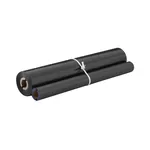
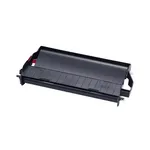
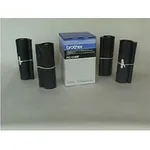
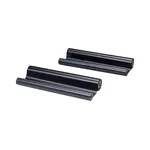
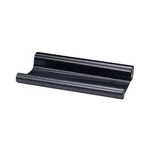
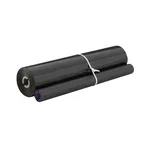
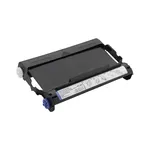
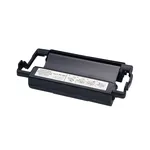
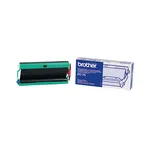
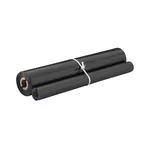
Thermal transfer fax machines, conversely, use a thermal print head to melt ink from a carbon film or ribbon onto plain paper. This process offers superior image permanence and allows for the use of standard bond paper, which is more durable and fade-resistant than direct thermal paper. The carbon film, often referred to as a thermal transfer ribbon or fax film, is typically a thin polyester film coated with wax, resin, or a blend of both. The choice of film type affects print durability and resistance to smudging and chemicals. Wax ribbons are economical and suitable for general-purpose printing, while wax-resin and full-resin ribbons offer enhanced durability and resistance. Important specifications for thermal transfer films include their width (matching the paper width), length (which determines the number of pages it can print), and core diameter, which must precisely match the machine's spindle mechanism. Incompatibility in core size or film length can prevent installation or cause feeding issues, potentially leading to film breakage or print head wear.
The Impact of Supply Choice on Machine Lifespan and Output Quality
Beyond basic compatibility, the quality of fax supplies profoundly impacts both the output and the machine itself. Low-quality thermal paper might have inconsistent coating, leading to patchy prints or premature print head wear due to abrasive surfaces. Similarly, inferior thermal transfer films can flake, clog the print head, or fail to transfer ink effectively, resulting in poor image resolution and increased maintenance. Utilizing OEM-recommended or high-quality compatible supplies ensures that the paper's GSM (grams per square meter), surface finish, and chemical coatings are optimized for the print head's specifications, thus extending the life of the machine and consistently delivering crisp, legible faxes.