

Deep Dive: Technical Specifications and Applications of Stationery Tapes
Understanding Stationery Tapes: A Technical Overview
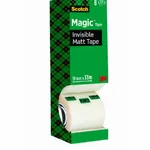
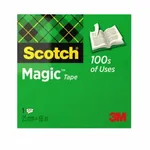
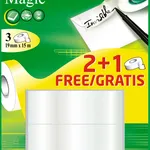
Stationery tapes, while seemingly simple, are engineered products designed with specific material compositions and adhesive technologies to meet a broad spectrum of everyday binding, mending, and sealing requirements. The performance characteristics of these tapes are primarily governed by their backing material and the type of pressure-sensitive adhesive (PSA) employed. Common backing materials include regenerated cellulose film, often referred to as cello tape, which offers excellent transparency and hand-tearability, and biaxially oriented polypropylene (BOPP), known for its strength, moisture resistance, and clarity. Other specialized backings, such as matte acetate film, provide invisibility on documents, making written corrections or labels appear seamless.
The adhesive layer, crucial for tape functionality, typically utilizes acrylic or rubber-based formulations. Acrylic adhesives are favored for their long-term stability, resistance to UV light, non-yellowing properties, and excellent adhesion to a variety of surfaces, making them ideal for archival purposes. Rubber-based adhesives, on the other hand, offer superior initial tack and shear strength, making them suitable for applications requiring immediate, strong bonds. The thickness of both the backing and the adhesive layer also plays a significant role in the tape's overall strength, conformability, and dispensability. Thicker tapes generally offer more robust performance but might be less discreet.
Key Performance Indicators and Material Science
The technical evaluation of stationery tapes involves several key performance indicators (KPIs). "Tack" refers to the adhesive's instantaneous bonding ability to a surface with minimal pressure, essential for quick application. "Adhesion" measures the force required to remove the tape from a standard surface after a specified dwell time, indicating bond strength. "Shear strength" quantifies the tape's resistance to slippage or creep when subjected to forces parallel to the bond line, crucial for holding objects securely. "Tensile strength" denotes the maximum force the tape can withstand before breaking, indicating its durability and tear resistance.
Clarity and resistance to aging are also critical, particularly for tapes used on documents or photographs. High-clarity tapes ensure minimal visual obstruction, while archival-quality tapes are formulated to be acid-free, preventing yellowing, brittleness, and degradation of both the tape and the underlying material over extended periods. Temperature and humidity resistance are further considerations, as extreme conditions can compromise adhesive performance, leading to loss of tack or residue formation. The surface energy of the substrate also significantly impacts adhesion, with tapes designed to bond effectively to various materials, including paper, cardboard, plastic, and certain metals.
Applications and Dispenser Integration
Stationery tapes find ubiquitous application across various settings. In offices, they are indispensable for mending torn documents, sealing envelopes, attaching labels, and temporary mounting. Schools utilize them for craft projects, poster presentations, and repairing books. In household contexts, their uses range from gift wrapping and light packaging to temporary repairs and organizing. Specialized tapes, like invisible matte finish tapes, are often preferred for professional documents due to their ability to be written on and their seamless appearance.
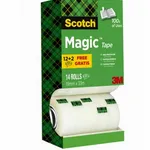
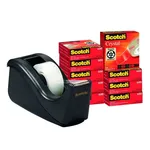
Dispenser compatibility is a vital aspect of user experience and efficiency. Stationery tapes are commonly available on cores designed for desktop dispensers, which feature weighted bases and sharp cutting blades for one-handed operation, or in refill rolls for handheld dispensers. The core diameter (e.g., 1-inch or 3-inch) must match the dispenser to ensure smooth unrolling and proper tension. The design of the cutting mechanism, whether serrated metal blades or plastic teeth, influences the cleanliness and ease of tape severance, enhancing productivity and user satisfaction. The integration of tape and dispenser is a critical design consideration, optimizing ergonomics and functionality for daily use.