

A Deep Dive into Self-Adhesive Tab Technology and Applications
The Engineering Behind Self-Adhesive Tabs
Self-adhesive tabs represent a confluence of material science and adhesive technology, designed to offer simple yet highly effective solutions for a myriad of attachment and display needs. At their core, these tabs comprise a substrate material coated with a specialized pressure-sensitive adhesive (PSA). The substrate, often a film like polypropylene, polyester, or PVC, provides structural integrity, while the PSA enables the tab to bond instantly upon contact with a substrate, without the need for solvents, water, or heat activation. The careful selection of both the substrate and the adhesive dictates the tab's performance characteristics, including its durability, adhesive strength, environmental resistance, and ultimate application.
Understanding Adhesive Technologies in Tabs
The type of pressure-sensitive adhesive used is paramount to a tab's functionality. Acrylic-based PSAs are renowned for their excellent UV resistance, high temperature performance, and long-term durability, making them ideal for outdoor applications or environments with fluctuating temperatures. They typically offer a strong, permanent bond. Rubber-based PSAs, conversely, provide high initial tack and adhere well to low surface energy substrates, often at a lower cost, but may have reduced resistance to UV light and elevated temperatures. Within these categories, adhesives are further classified by their bonding characteristics: permanent adhesives offer a strong, irreversible bond; removable adhesives allow for clean detachment without residue; and repositionable adhesives permit multiple applications and adjustments. The choice hinges entirely on the product's lifecycle and user interaction.
Material Science and Construction
Beyond the adhesive, the tab's base material is critical. Polypropylene (PP) is a common choice due to its excellent clarity, flexibility, and cost-effectiveness, suitable for many general-purpose hanging or indexing applications. Polyester (PET) offers superior dimensional stability, strength, and temperature resistance, making it ideal for more demanding applications or those requiring higher load-bearing capacity. PVC (polyvinyl chloride) provides good rigidity and is often used for heavier-duty hanging tabs. Furthermore, the thickness of the material significantly impacts the tab's strength and rigidity. Many tabs feature laminations or coatings to enhance printability, add scuff resistance, or improve barrier properties against moisture and chemicals. Die-cutting precision ensures consistent shapes and sizes, crucial for automated application and aesthetic consistency.
Diverse Applications Across Industries
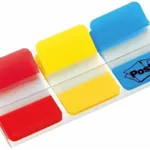
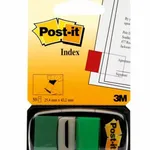
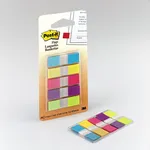
Self-adhesive tabs are ubiquitous across various sectors. In retail, they are indispensable for merchandising, enabling products to be hung on peg hooks or display racks, increasing visibility and optimizing shelf space. Price tags, product information, and promotional materials frequently employ tabs for quick attachment. In office and archival settings, tabs are utilized for indexing documents, reinforcing binder holes, or temporarily securing notes. The packaging industry employs tabs for tamper-evident seals, secure closures, or to attach promotional inserts. Industrially, they can be used for temporary fixturing, cable management, or bundling lighter components. The adaptability of self-adhesive tabs, available in custom shapes, sizes, and colors, including clear varieties, underscores their value as a flexible, efficient, and cost-effective solution for countless attachment challenges.