

The Engineering and Functional Versatility of Paper Clip Systems
The Ubiquitous Utility and Underlying Science of Paper Clips
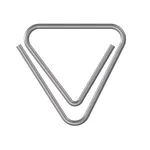
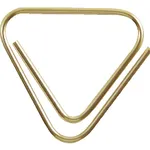
The humble paper clip stands as an archetype of functional design, its ubiquity often obscuring the precise engineering behind its effectiveness. At its core, a paper clip operates on the principle of elastic deformation, where a material—typically spring-tempered steel wire—is bent into a specific geometry that allows it to hold its shape while also exerting a clamping force when distorted. The most common 'Gem' design, patented in the late 19th century, is a continuous loop of wire forming two interlocked, opposing oval sections, creating points of contact that generate friction against paper fibers. This elegant solution provides temporary binding without puncturing or damaging documents, a critical advantage over staples.
Material Science and Fabrication Techniques
The choice of material is paramount to a paper clip's performance. Most commercial paper clips are manufactured from low-carbon steel wire, which is then cold-drawn to achieve the necessary tensile strength and spring temper. Common finishes include galvanization (zinc coating) for superior rust resistance, crucial for clips exposed to varying humidity or long-term storage, and nickel plating, which provides a smoother, brighter finish, improving glide over paper and offering a degree of corrosion protection. Vinyl or plastic coatings are also prevalent, serving multiple purposes: aesthetic color-coding, enhanced grip, and importantly, preventing the slight indentation and potential rust staining on delicate papers that bare metal clips might cause.
Diverse Geometries and Specialized Applications
Beyond the standard Gem design, paper clips manifest in numerous configurations, each optimized for specific tasks. 'Jumbo' clips feature larger dimensions and often a thicker wire gauge, designed to secure a greater volume of sheets—typically 30-50—with enhanced grip strength. 'Butterfly' clips, with their distinctive wings, offer an alternative ergonomic grip and often distribute pressure over a wider surface area, minimizing indentation. 'Ring' clips provide a secure, albeit sometimes less flexible, hold. The precise bending of the wire and the resulting angles are critical; these geometries dictate the clip's tension, ease of application, and capacity. Modern manufacturing processes utilize high-speed wire forming machines that precisely bend pre-cut wire segments into these complex shapes with remarkable consistency and efficiency.
Performance Metrics and Environmental Considerations
Key performance indicators for paper clips include their holding capacity (number of sheets), grip strength (resistance to slippage), and resistance to permanent deformation after repeated use. A well-engineered paper clip should return to its original shape and maintain tension even after being opened wide multiple times. From an environmental perspective, paper clips are highly reusable and, being predominantly steel, are widely recyclable. The longevity and reusability of a high-quality paper clip contribute significantly to its sustainability profile, contrasting with single-use alternatives. Advances continue in the realm of bio-degradable or recycled plastic clips, offering further options for specific ecological initiatives without compromising fundamental functionality.