

A Comprehensive Guide to Sheet Protector Technology and Application
Understanding the Core Components of Sheet Protectors
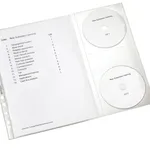
Sheet protectors, while seemingly simple, involve specific material science and design considerations that dictate their performance and suitability for various tasks. The primary function is to encapsulate and shield documents within binders, portfolios, or reports, ensuring their longevity and professional presentation. Their construction typically involves a transparent polymer film, a binding edge with pre-punched holes, and sometimes a reinforcement strip along the binding edge to withstand repeated use.
Material Science: Polypropylene, PVC, and Polyester
The choice of material is perhaps the most critical factor. Polypropylene (PP) is the predominant material due to its inert nature, excellent clarity, and cost-effectiveness. It is inherently archival-safe, meaning it is acid-free and does not contain plasticizers that can migrate and damage inks or toners over time. This makes polypropylene protectors ideal for preserving important documents, photographs, and historical records without risk of degradation.
Polyvinyl Chloride (PVC), on the other hand, is a more rigid and often cheaper alternative, but it is generally not recommended for long-term archival storage. PVC contains plasticizers that can leach out over time, potentially lifting ink from documents, yellowing, or becoming brittle. While acceptable for short-term display or very temporary use, its chemical instability makes it unsuitable for valuable or permanent records.
Polyester (PET) offers superior clarity, strength, and rigidity compared to both PP and PVC. It is highly resistant to tears and punctures, making it an excellent choice for premium applications, high-traffic documents, or situations where extreme durability is required. Polyester protectors are also archival-safe and resistant to temperature fluctuations, though they typically come at a higher price point.
Gauge and Finish: Tailoring Protection and Presentation
The "gauge" or "mil" rating refers to the thickness of the sheet protector film. A higher gauge indicates a thicker, more rigid, and more durable protector. Standard gauges range from 1.8 mil to 3.5 mil, with some heavy-duty options extending beyond 4 mil. Thicker protectors offer enhanced protection against tearing and creasing, providing a more substantial feel, which is often preferred for presentations or frequently handled documents. Thinner gauges are more economical for bulk storage where minimal handling is expected.
Finish types also vary, primarily between clear gloss and non-glare/matte. Clear gloss protectors offer maximum transparency and vibrant color display, ideal for photographs, charts, or any document where visual impact is paramount. Non-glare or matte finishes incorporate a textured surface that diffuses light, significantly reducing reflections and glare. This is particularly beneficial for presentations under bright lights, reducing eye strain, or when documents need to be easily readable from various angles without specular highlights.
Archival Integrity and Specialized Features
For document preservation, ensuring "archival safety" is paramount. This means selecting protectors that are acid-free, lignin-free, and free from PVC. Acid and lignin are components found in wood pulp that cause paper to yellow and become brittle over time. Protectors that lack these harmful chemicals prevent acid migration to the enclosed documents, thus stopping the degradation process. Specialized features include reinforced binding edges, which prevent tear-out from binder rings, and various loading styles like top-loading for standard use or side-loading for extra security, preventing documents from accidentally sliding out during transport or vigorous handling. These technical considerations are crucial for optimizing document organization and preservation strategies.