

Advanced Material Science and Functional Engineering in Folder Design
Material Science in Folder Construction
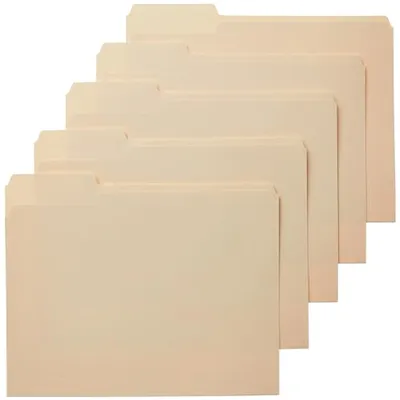
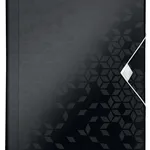
The performance profile of a folder is primarily determined by its material composition. Polypropylene (PP) folders, often measured in mil thickness, offer superior durability, water resistance, and chemical inertness, making them ideal for environments requiring frequent handling or protection against spills. Their semi-rigid structure prevents tearing and creasing, and many are recyclable. Conversely, pressboard folders, typically specified by weight (e.g., 20 pt or 25 pt), are crafted from dense, recycled wood pulp fibers, providing exceptional rigidity and strength for heavy-duty applications like file folders in high-traffic offices. Their fibrous nature allows for scoring and creasing without material fatigue over time. Standard cardstock folders, while economical, offer limited longevity and moisture resistance, best suited for temporary or light-use scenarios. Rigid vinyl, often utilized in clear report covers or integrated into ring binders, offers excellent transparency and a smooth finish, though it can be susceptible to plasticizer migration which may affect documents over extended periods.
Capacity and Expansion Dynamics
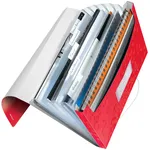
Folder capacity is a critical engineering specification, typically quantified by the number of sheets (e.g., 50-sheet, 200-sheet) or by the measurable expansion of its spine. Expanding folders incorporate gusseted sides, often reinforced with Tyvek or other durable fabrics, allowing them to accommodate substantial document volumes without compromising structural integrity. These gussets are precisely engineered to unfold smoothly, preventing creasing of contents while maintaining a compact form when not fully expanded. Spine width, a direct indicator of capacity, ranges from slim designs for concise reports to multi-inch configurations for extensive project documentation, ensuring the folder's physical dimensions align with its intended functional load.
Advanced Closure and Security Mechanisms
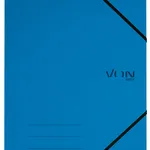
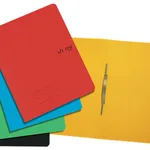
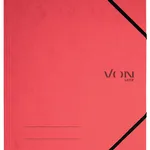
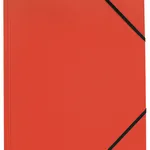
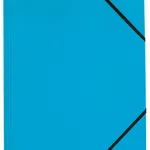
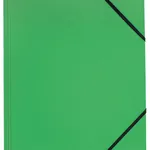
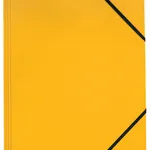
The chosen closure mechanism significantly impacts both document security and user accessibility. Simple tab-and-slot closures provide basic containment for presentation or light filing. More robust solutions include elastic bands, offering quick, reusable retention, and traditional tie closures, which provide enhanced security for sensitive or archival documents, albeit with slower access. Snap or button closures, often found on polypropylene folders, deliver a secure, positive engagement, resisting accidental opening and protecting contents during transit. For highly dynamic environments, self-adhesive or integrated clip mechanisms secure individual pages, preventing dislodgment during frequent handling. Each mechanism is selected based on a precise balance of security requirements, operational speed, and the overall lifecycle demands of the folder's application.