

Understanding Stapler Engineering, Types, and Optimal Application
Staplers, while seemingly simple, embody a range of precise mechanical engineering principles designed to efficiently drive and clinch metal fasteners. The fundamental operation involves a spring-loaded or motor-driven plunger forcing a staple from a magazine through the material. Below the material, an anvil guides the staple legs to curl inward, outward, or remain straight, depending on the desired fastening type. Modern designs often incorporate advanced features like flat-clinch technology, which folds staple legs flatter against the paper, reducing stack height and increasing filing efficiency. Materials used in construction, from high-grade steel to durable plastics, significantly impact a stapler's lifespan and performance under various load conditions.
Exploring Diverse Stapler Types and Their Mechanisms
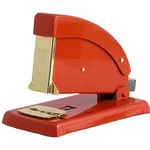
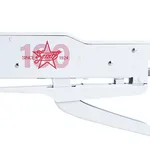
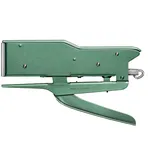
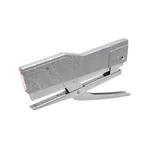
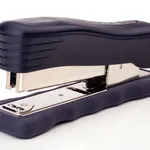
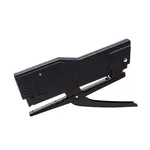
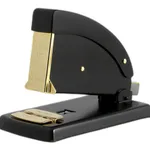
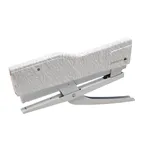
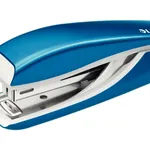
The stapler category branches into several distinct types, each optimized for specific applications. Manual staplers, the most common, rely on user force to actuate the stapling mechanism. These include compact handheld models ideal for portability, robust desktop staplers for general office use with capacities typically ranging from 20 to 60 sheets, and heavy-duty manual staplers capable of fastening hundreds of pages using larger, thicker staples. Handheld staplers often feature a plier-style mechanism for ease of use in various orientations, while desktop models utilize a leverage-based design for consistent penetration.
Electric staplers remove the physical effort, using a motor to drive the staple. These can be powered by AC adapters for continuous use in busy offices or by batteries for cordless convenience. Electric models are invaluable in high-volume environments, offering rapid, consistent stapling, often with sensor activation for hands-free operation. Their capacity varies widely, with some capable of handling 20 sheets and others, known as automatic heavy-duty staplers, processing over 100 sheets effortlessly.
Specialized staplers cater to unique requirements. Long-reach staplers feature an extended throat depth, enabling stapling far from the edge of a document, crucial for binding booklets or creating custom brochures. Saddle staplers are a subtype of long-reach models specifically designed for binding booklets along a folded spine, producing a professional, center-stapled finish. Furthermore, industrial applications often leverage pneumatic staplers, powered by compressed air, for fastening materials beyond paper, such as fabrics, insulation, or light carpentry components, offering immense power and speed for repetitive tasks.
Optimizing Performance Through Staple Compatibility and Anvil Settings
The performance of any stapler is intrinsically linked to the correct selection of staples. Staples are categorized by wire gauge and leg length (e.g., 26/6 means 26-gauge wire with 6mm legs). Using the appropriate staple size for the sheet capacity and stapler model is paramount to prevent jams, incomplete fastening, or staple breakage. Heavy-duty staplers require specific larger staples designed for greater penetration and strength. Many staplers also feature adjustable anvils, allowing for different stapling modes. The most common is the permanent clinch, where staple legs curl inwards for a secure, long-lasting bond. A temporary clinch curls the legs outwards, making removal easier, ideal for temporary document grouping. Some anvils also offer a pinning function, leaving the staple legs straight, which allows documents to be easily pinned to a board. Understanding and utilizing these features enhances both document security and workflow efficiency.