


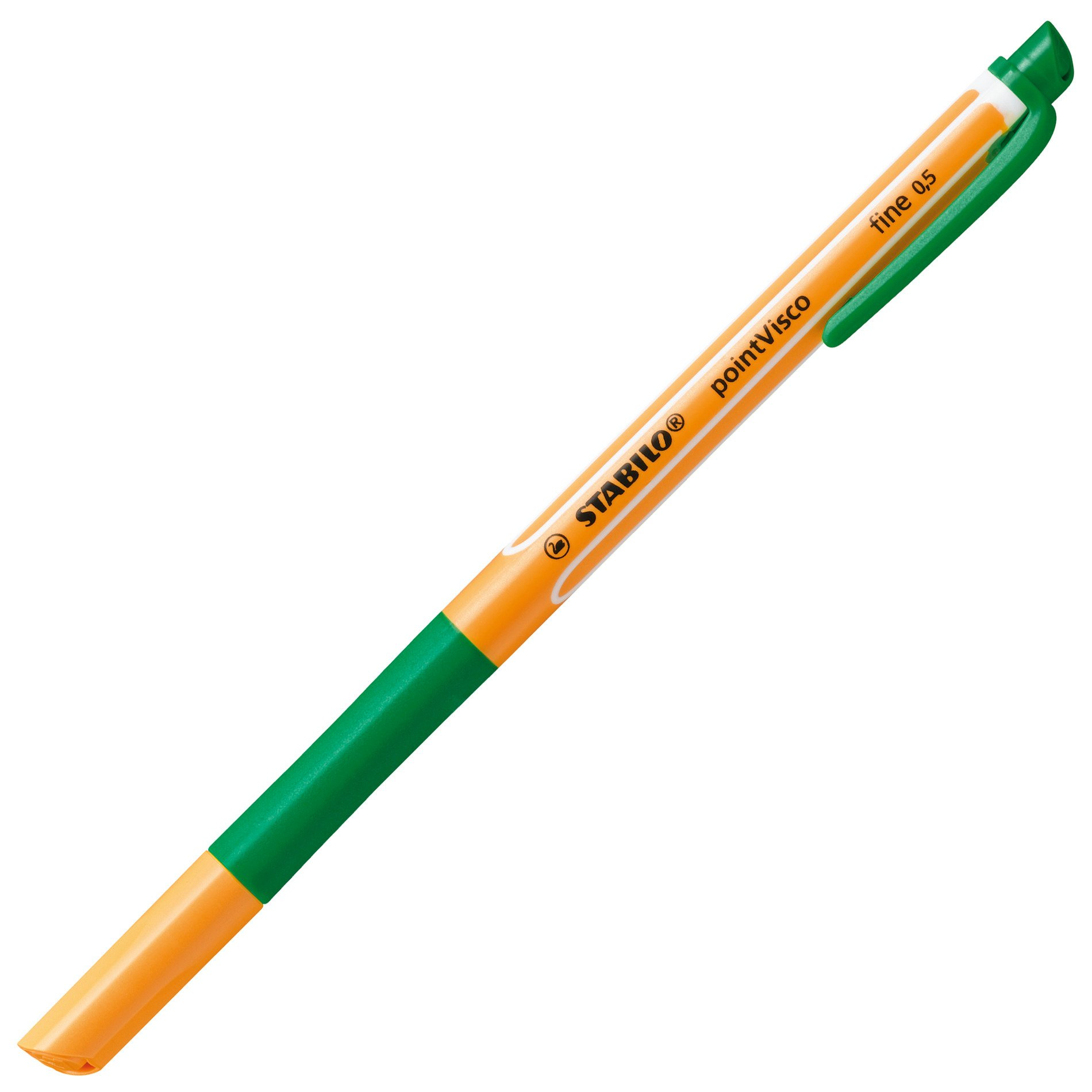


Deep Dive into Gel Pen Technology and Performance
The Science Behind Gel Ink Formulation
Gel pen ink is a sophisticated colloidal suspension, primarily composed of water, pigments, gelling agents, humectants, and various additives. The defining characteristic is its thixotropic nature: the ink's viscosity dramatically decreases under shear stress – the act of writing – allowing it to flow smoothly from the tip. Once the shear stress is removed, the ink quickly returns to its gel state on the paper, preventing feathering and bleed-through. Pigments, unlike the dyes used in traditional rollerball inks, provide superior lightfastness and water resistance, crucial for archival quality and vibrant, opaque lines. Humectants, such as glycols, are incorporated to prevent the ink from drying out too quickly within the pen reservoir, ensuring consistent flow even after periods of disuse. Gelling agents, often polymers, are responsible for maintaining the ink's high viscosity when stationary and its rapid transformation to a liquid state when writing.
Tip Technologies and Writing Dynamics
The performance of a gel pen is inextricably linked to its tip technology. Most gel pens employ a precision ballpoint mechanism, typically featuring a tungsten carbide or stainless steel ball housed in a socket. Tungsten carbide offers exceptional hardness and wear resistance, ensuring longevity and consistent line width. The precision engineering of the ball-and-socket mechanism, combined with micro-channels, regulates the ink flow precisely. A common issue, "tip dry," occurs when the sensitive gel ink dries at the very tip, potentially requiring a scribble to restart flow. Manufacturers continuously refine these designs, incorporating spring-loaded mechanisms or specialized lubricants to minimize this. The ideal tip delivers a consistent, uninterrupted ink line without skipping, blobbing, or requiring excessive pressure, contributing significantly to a comfortable writing experience.
Optimizing Gel Pen Performance and Longevity
Achieving optimal performance from a gel pen involves understanding several factors beyond just ink and tip. Paper quality plays a significant role; highly absorbent papers can cause gel ink to feather, while very smooth, coated papers might extend drying times and increase smudging risk. For users prioritizing archival integrity, selecting pens with acid-free and pigment-based ink is paramount, as these properties ensure documents resist fading and degradation over time. Proper storage, such as always capping a non-retractable pen or ensuring the retractable mechanism is engaged, prevents premature ink drying. Temperature and humidity also influence ink viscosity and drying times. Advanced gel pens may include features like visible ink windows to monitor levels, ergonomic grips designed for reduced hand fatigue during prolonged use, and quick-drying formulations specifically tailored for left-handed writers or high-speed note-taking environments. The careful balance of ink chemistry, tip engineering, and user-centric design elevates a gel pen from a simple writing instrument to a versatile tool capable of precise, vibrant, and durable results across various applications.