




Architecting Lasting Memories: A Deep Dive into Photo Album Engineering
The Science of Archival Preservation in Photo Albums
The primary technical function of a high-quality photo album is to provide an inert, stable environment that mitigates the inherent degradation processes affecting photographic prints. This begins with material selection. Pages, interleaving sheets, and plastic sleeves must be certified acid-free, meaning they possess a pH of 7.0 or higher, preventing acid migration that causes yellowing, brittleness, and fading. Lignin, a naturally occurring polymer in wood pulp, also contributes significantly to acid formation and discoloration, necessitating lignin-free paper products in true archival albums. Furthermore, the exclusion of polyvinyl chloride (PVC) plastics is paramount; PVC off-gasses plasticizers and hydrochloric acid over time, directly damaging photographic emulsions and causing irreparable sticking.
Understanding Material Purity and Certification
Consumers should seek products bearing certifications such as the Photo Activity Test (PAT) ISO 18916, which confirms materials will not chemically react with, stain, or physically damage photographs over extended periods. This rigorous testing assesses materials for oxidative degradation, image fading, and emulsion adhesion, providing an objective benchmark for archival suitability. The absence of heavy metals, dyes that can bleed, and optical brighteners that can degrade over time are also critical factors in material purity, contributing to the album's overall inertness and long-term protective capabilities.
Binding Systems: Engineering for Durability and Usability
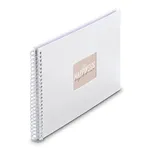
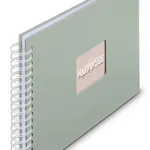
The binding mechanism is a critical structural component, dictating an album's durability, expandability, and how it presents its contents. Screw-post bindings, often constructed with metal posts and acetal plastic extenders, offer excellent modularity, allowing for the addition or removal of pages without compromising structural integrity. This system supports significant page weight and facilitates lay-flat viewing. Sewn bindings, typically found in higher-end, non-expandable albums, employ strong thread to stitch pages into signatures, which are then bound to a spine. This method offers superior longevity and a classic aesthetic but lacks the customization of post-bound options.
Advanced Page Attachment Technologies
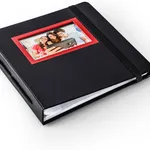
Beyond traditional binding, the method by which photos are secured to pages varies significantly. Dry-mount albums utilize archival-grade adhesive corners or strips, allowing for precise placement and easy rearrangement without direct contact with page adhesive. Slip-in pockets, often made from polypropylene, offer convenience but must be scrutinised for clarity and archival safety. Self-adhesive or "magnetic" pages, while popular, frequently employ non-archival adhesives that can damage photos over time, making them a less desirable choice for serious preservation. The ideal system maintains physical separation between the photo emulsion and any potentially reactive material, ensuring maximum longevity.
Environmental Considerations and Cover Material Science
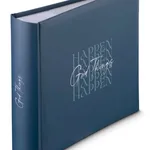
The album's cover not only provides aesthetic appeal but also acts as the primary barrier against environmental threats such as dust, light, and minor physical impacts. High-grade covers are typically constructed from robust materials like genuine leather, known for its durability and aging characteristics, or archival-grade book cloth (linen or buckram), which offers excellent resistance to abrasion and tearing. Synthetic leathers and vinyl, while often more affordable, must be carefully selected to avoid materials that off-gas or degrade quickly under UV exposure. The structural integrity of the cover boards, usually solid fiberboard, prevents warping and provides rigid protection. Additionally, some albums feature slipcases or boxes made from complementary archival materials, adding an extra layer of protection against light and particulate matter, further enhancing the longevity of the encapsulated photographs.