








A Technical Deep Dive into Writing Instrument Categories
The Core Categories of Writing Instruments
The vast landscape of writing instruments is meticulously categorized to serve every conceivable need, from quick annotations to elaborate artistic creations. Understanding the distinct properties and functionalities within each category is crucial for optimizing user experience and achieving desired outcomes in various professional and personal settings. This guide delves into the technical specifications and typical applications of the primary instrument types and their essential accessories.
Pens: Precision and Permanence
At the forefront are the diverse types of Pens, designed for fluid ink delivery and consistent line work. This broad category encompasses ballpoint, rollerball, and gel pens, each leveraging different ink viscosities and delivery mechanisms. Ballpoint pens, for instance, utilize oil-based ink and a small rotating ball for quick-drying and durable marks, ideal for everyday general use. Rollerball pens employ water-based liquid or gel ink, providing a smoother, more vibrant line, often preferred for their ink flow. Gel pens combine the best of both, offering vivid colors and smooth writing with quick-drying properties.
Markers and Specialty Ink Tools
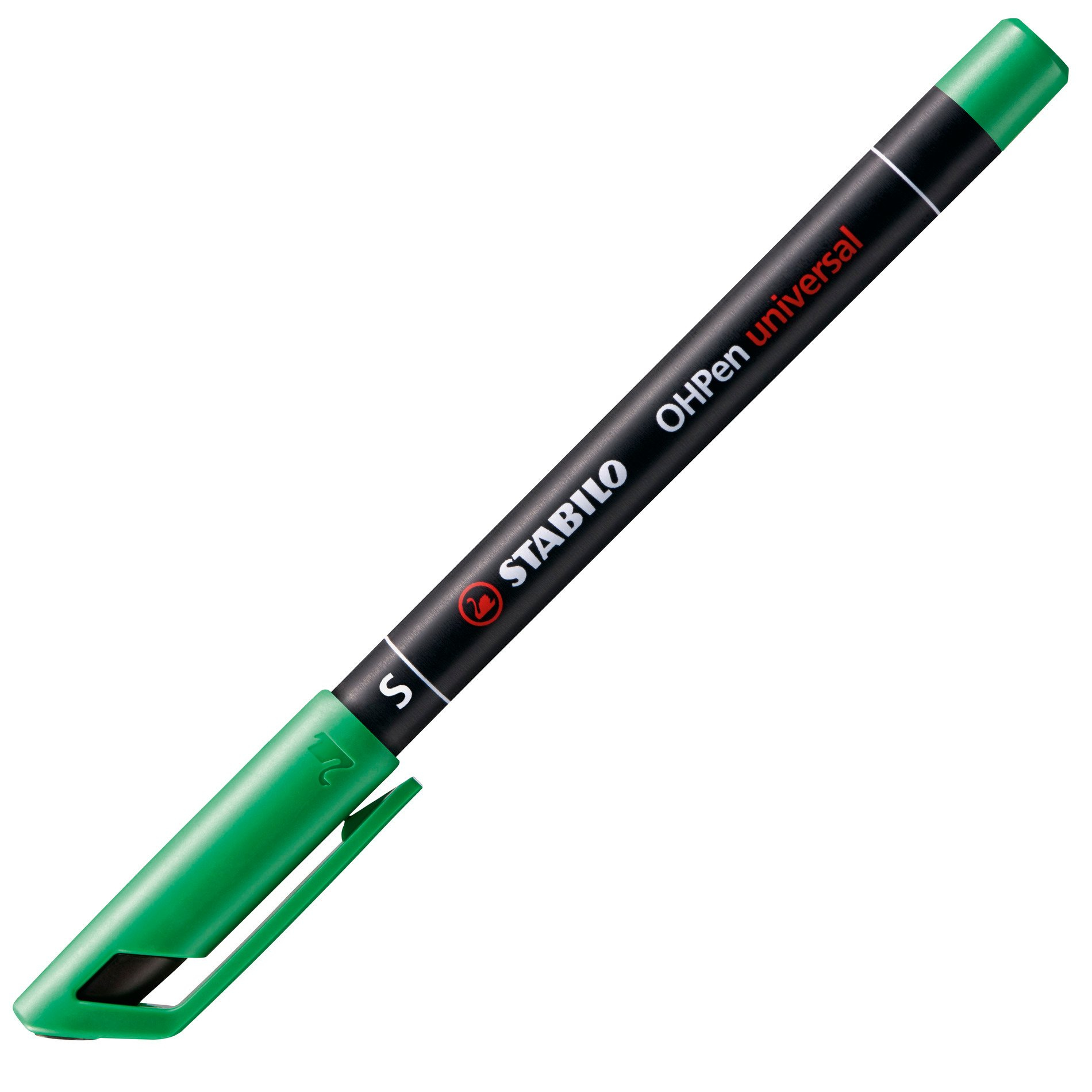
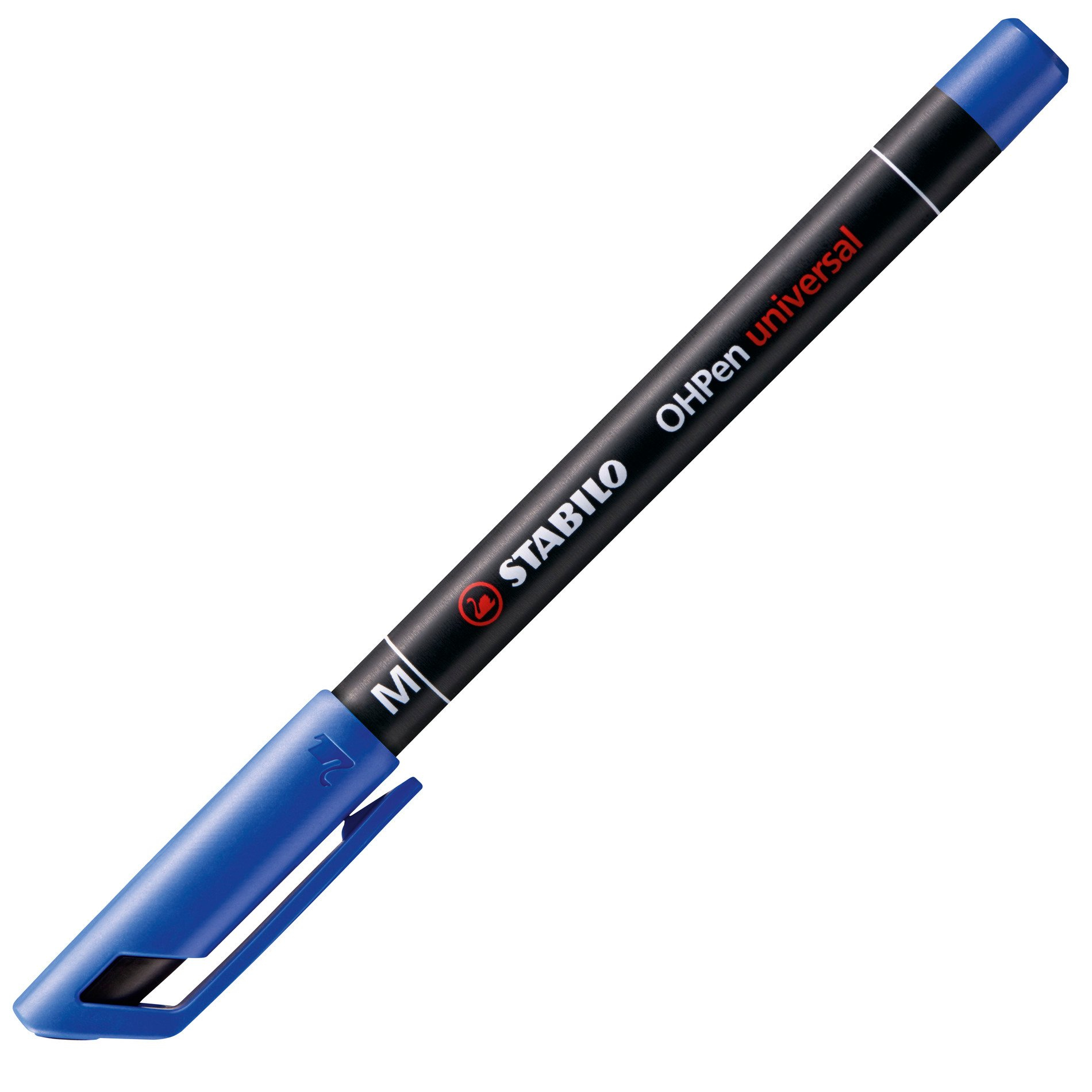
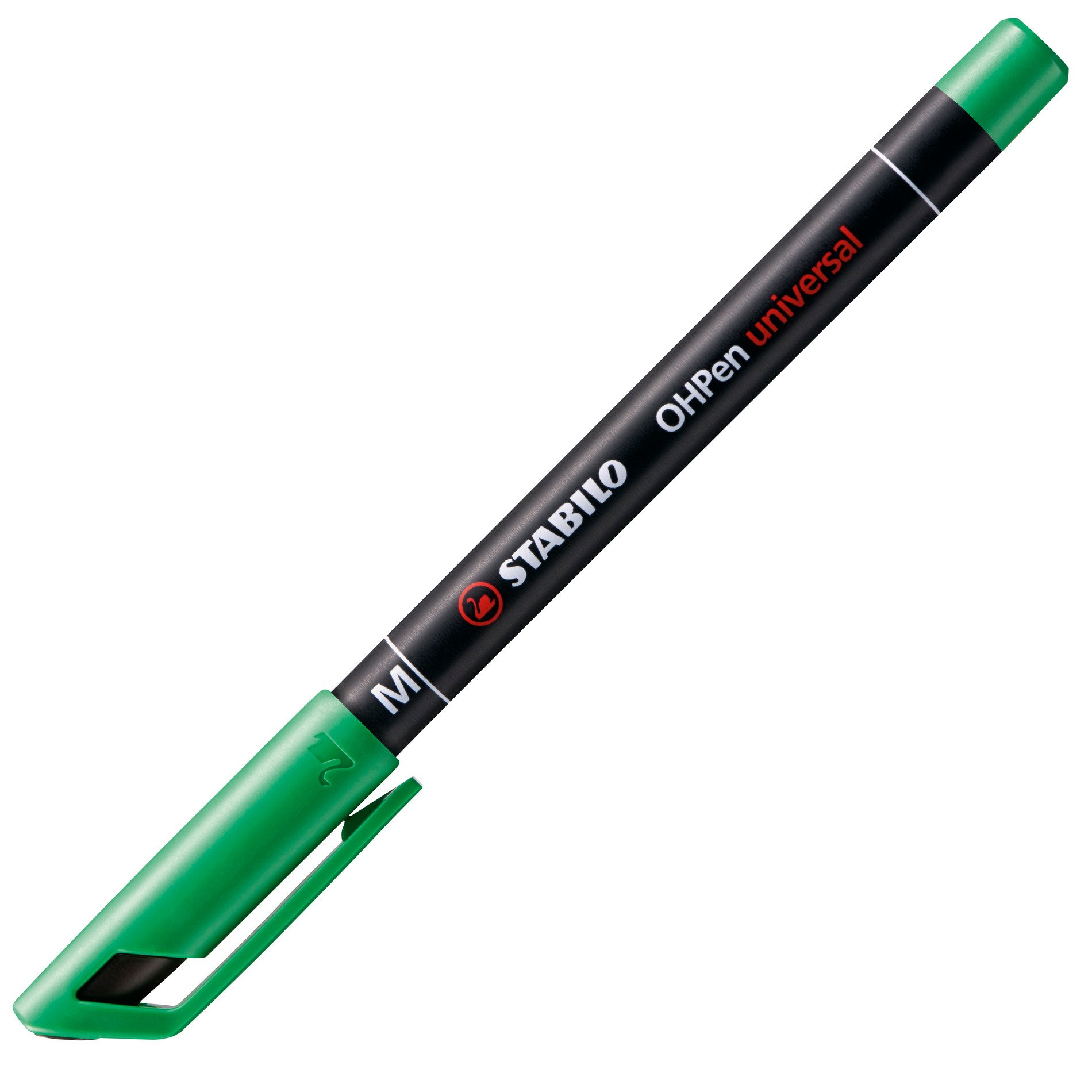
Expanding on ink-based applications, Markers offer bolder lines and greater coverage. This group includes dry-erase markers for temporary whiteboard use and the more robust Permanent Markers, formulated with indelible inks resistant to fading and water, suitable for labeling and artistic work on diverse surfaces like plastic, metal, and fabric. Their varying tip sizes and ink compositions allow for broad strokes or fine detailing.
Pencils: Versatility and Erasability
For erasable and versatile marking, Pencils remain indispensable. Graphite pencils are graded by hardness (H) and blackness (B), offering a spectrum from light, hard lines for technical drawing to soft, dark lines for shading. Mechanical Pencil Lead complements these, providing consistent line width without sharpening, ideal for precision work. These systems rely on specific lead diameters and hardness grades to suit architectural, engineering, or general writing tasks.
Maintenance and Correction Essentials
To support the primary writing tools, a suite of essential accessories ensures precision and allows for corrections. Pencil Sharpeners, ranging from manual to electric, are engineered to create optimal point angles for graphite and colored pencils, crucial for consistent performance. Equally vital are Erasers & Correction Tools, which include various rubber and polymer compounds designed to lift graphite or ink marks without damaging paper surfaces, alongside liquid or tape-based correction fluids for ink errors.
Ink, Accessories, and Specialized Instruments
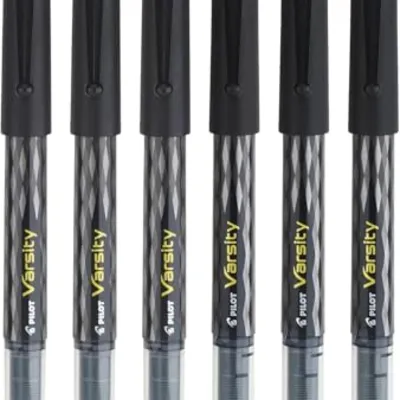
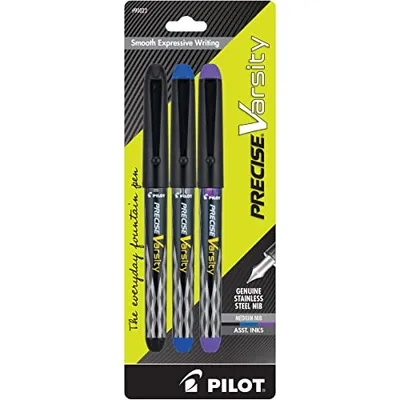
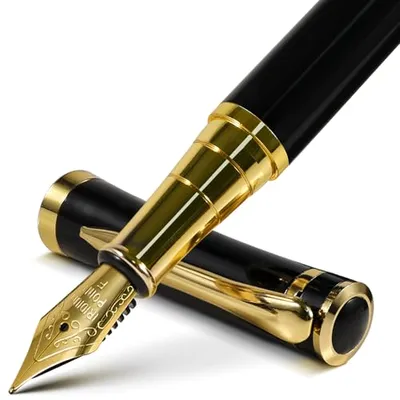
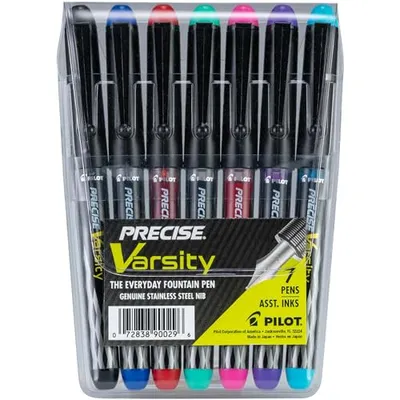
Beyond the core instruments, the ecosystem includes vital consumables and specialized tools. Ink and Accessories covers the replacement inks, cartridges, and converters necessary to sustain fountain pens and other refillable systems. For aficionados, Fountain Pens represent a pinnacle of writing artistry, featuring intricate nibs and capillary action for an exceptionally smooth and expressive writing experience, often using liquid ink from bottles. Finally, Writing Accessories encompasses a broad range of complementary items such as pen cases, desktop organizers, document clips, and rulers, all designed to enhance the writing process and ensure convenience and efficiency. Each component plays a critical role in the functionality and longevity of a comprehensive writing setup.