Page 6 from comparison Asus ZenFone Max Plus

12 comparisons are ready for you on this page

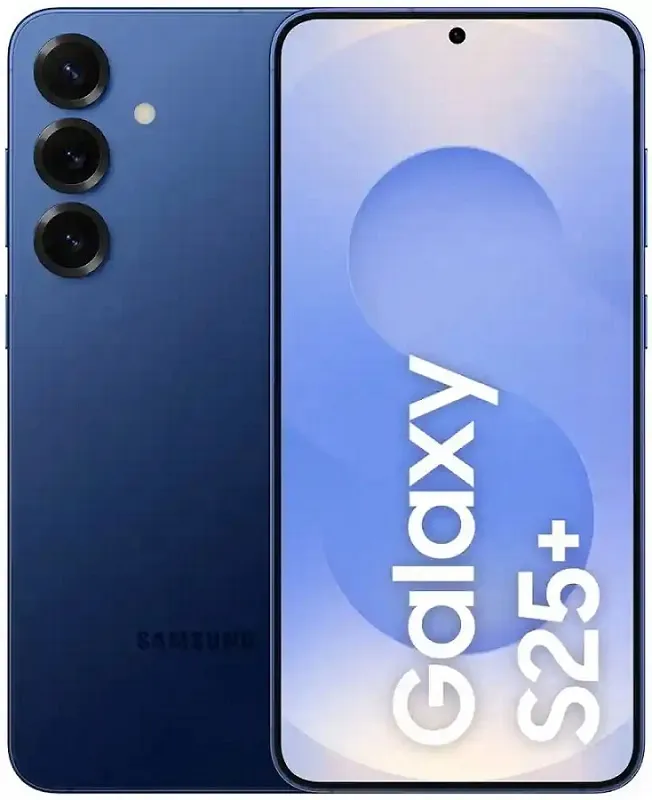
Compare Asus ZenFone Max Pluswith Galaxy S25+ (S25+)

Feature

Asus ZenFone Max Plus

Galaxy S25+ (S25+)

Introduction Time November 2017
Availability Status Released Released
Official Release Date December 2017
Operating System Type at Release Android Android
Operating System at Release Android 7.0 (Nougat) Android 15
Size and Dimensions 152.6 x 73 x 8.8 mm 158.4 x 75.8 x 7.3 mm
Product Weight 160 gram (g) 190 gram (g)
Screen Size 5.7 inch 6.7 inch
Display Panel Type
Display Resolution
Pixel Density Range
Screen-to-Body Ratio ~75.3 percent (%) ~91.8 percent (%)
Screen Aspect Ratio 19.5:9
Memory Card Slot true false
Bluetooth Support 5.4
Supported Memory Card Capacity -
Main Camera Type - Wide/Standard 16 megapixel (mp) 50 megapixel (mp)
Ultra-Wide Lens 8 megapixel (mp) 12 megapixel (mp)
Maximum Video Recording Quality of Rear Camera 8K
Main Selfie Camera Quality 8 megapixel (mp) 12 megapixel (mp)
Battery Capacity 4130mAh 4900mAh
Battery Technology Lithium Polymer Lithium-Ion
Battery Replaceability Non-user replaceable Non-user replaceable
Wireless Charging Support false true
Connection Port Type USB Type-C 3.2
OTG Support true true
Fast Charging Capability false true
Speaker Type Mono Stereo (dual)
Number of 3.5mm Jacks true false
Fingerprint Sensor Type On the back of the phone Under-display (Ultrasonic)
Wi-Fi Specifications Wi-Fi 7 (802.11be) a/b/g/n/ac/ax/be
Communication Technologies GSM / CDMA / HSPA / EVDO / LTE / 5G
5G Support false true
Navigation Type and GPS
Price Range at Time of Release -
Operating System Details and Description - Android 15, One UI 7
Specific absorption rate (SAR) - Supports Qi2 technology, 4.5W reverse wireless charging, Supports Power Delivery 3
European SAR rate (SAR EU) - 1.16 W/kg (for head) and 0.81 W/kg (for body)
Part Numbers -
Color Options - Light Blue, Green, Silver, Navy, Gold, Coral Red, Black
Highest Refresh Rate - 120 hertz (hz)
Display Technical Details -
Maximum Brightness Level - 2600 nit
Chipset Model -
Chip Manufacturing Process - 3 nm
Number of Processor Cores - 8 core
Processor Core Details -
GPU Model - Adreno 830
Internal Memory and RAM Performance - 256GB with 12GB RAM and 512GB with 12GB RAM
RAM Memory -
Internal Memory Capacity - 512GB and 256GB
Internal Storage Type -
Rear Camera Details -
Main Camera Specifications - Wide/Standard -
Ultra-Wide Camera Details -
Filming Details - 8K@24/30fps, 4K@30/60fps, 1080p@30/60/120/240fps, 10-bit HDR, Features HDR10+ technology, Stereo sound recording, Gyro-EIS
Telephoto Lens - 10 megapixel (mp)
Telephoto Camera Details -
Main Selfie Camera Specifications -
Maximum Video Recording Resolution of Selfie Camera - 4K
Selfie Camera Video Recording Details - 4K@30/60fps, 1080p video recording at 30 fps
Maximum Supported Charging Power -
Full Charge Time -
Other battery and charging features -
Maximum Wireless Charging Power -
Audio capabilities -
Smart Sensors -
Wi-Fi Details and Description -
Bluetooth Details and Description -
Back body material - Glass (Gorilla Glass Victus 2)
Front Panel Material - Glass - Gorilla Glass Victus 2
Frame material type - Metal - Stainless Steel
Compatible SIM Card Types - Nano SIM card + Nano SIM card + eSIM (max 2 at a time) - INT Nano SIM card + eSIM + eSIM (max 2 at a time) - USA Nano SIM card + Nano SIM card - CNeSIM
Supported HDR Standards -

Compare Asus ZenFone Max Pluswith ZTE Tempo X

Feature

Asus ZenFone Max Plus

ZTE Tempo X

Introduction Time November 2017 September 2017
Availability Status Released Released
Official Release Date December 2017 September 2017
Operating System Type at Release Android Android
Operating System at Release Android 7.0 (Nougat) Android 7.1.1 (Nougat)
Size and Dimensions 152.6 x 73 x 8.8 mm 145.5 x 71.9 x 9.1 mm
Product Weight 160 gram (g) 141.8 gram (g)
Screen Size 5.7 inch 5.0 inch
Display Panel Type
Display Resolution
Pixel Density Range
Screen-to-Body Ratio ~75.3 percent (%) ~65.9 percent (%)
Screen Aspect Ratio
Memory Card Slot true true
Bluetooth Support
Supported Memory Card Capacity
Main Camera Type - Wide/Standard 16 megapixel (mp) 5 megapixel (mp)
Ultra-Wide Lens 8 megapixel (mp) -
Maximum Video Recording Quality of Rear Camera
Main Selfie Camera Quality 8 megapixel (mp) 2 megapixel (mp)
Battery Capacity 4130mAh 2200mAh
Battery Technology Lithium Polymer Lithium-Ion
Battery Replaceability Non-user replaceable User replaceable
Wireless Charging Support false -
Connection Port Type
OTG Support true false
Fast Charging Capability false -
Speaker Type Mono Mono
Number of 3.5mm Jacks true true
Fingerprint Sensor Type On the back of the phone -
Wi-Fi Specifications
Communication Technologies
5G Support false false
Navigation Type and GPS
Price Range at Time of Release -

Compare Asus ZenFone Max Pluswith ZTE Nubia N1 Wan

Feature

Asus ZenFone Max Plus

ZTE Nubia N1 Wan

Introduction Time November 2017 July 2016
Availability Status Released Released
Official Release Date December 2017 July 2016
Operating System Type at Release Android Android
Operating System at Release Android 7.0 (Nougat) Android 6.0 (Marshmallow)
Size and Dimensions 152.6 x 73 x 8.8 mm 150.9 x 75 x 8.9 mm
Product Weight 160 gram (g) 190 gram (g)
Screen Size 5.7 inch 5.5 inch
Display Panel Type
Display Resolution
Pixel Density Range
Screen-to-Body Ratio ~75.3 percent (%) ~73.7 percent (%)
Screen Aspect Ratio
Memory Card Slot true true
Bluetooth Support
Supported Memory Card Capacity
Main Camera Type - Wide/Standard 16 megapixel (mp) 13 megapixel (mp)
Ultra-Wide Lens 8 megapixel (mp) -
Maximum Video Recording Quality of Rear Camera
Main Selfie Camera Quality 8 megapixel (mp) 13 megapixel (mp)
Battery Capacity 4130mAh 5000mAh
Battery Technology Lithium Polymer Lithium Polymer
Battery Replaceability Non-user replaceable Non-user replaceable
Wireless Charging Support false false
Connection Port Type
OTG Support true true
Fast Charging Capability false false
Speaker Type Mono Mono
Number of 3.5mm Jacks true true
Fingerprint Sensor Type On the back of the phone On the back of the phone
Wi-Fi Specifications
Communication Technologies
5G Support false false
Navigation Type and GPS
Price Range at Time of Release -
Front Panel Material - Glass - Gorilla Glass 3
Internal Memory Capacity -
Maximum Video Recording Resolution of Selfie Camera -

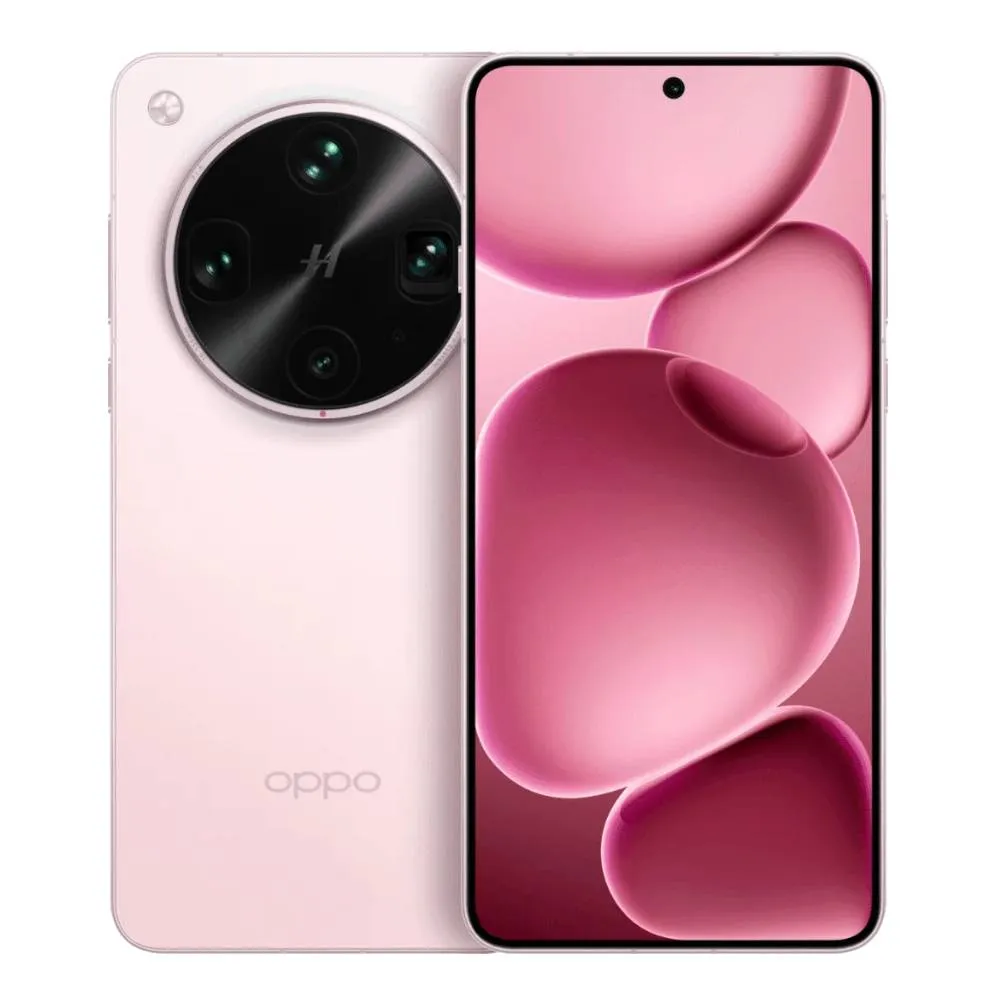
Compare Asus ZenFone Max Pluswith OPPO Find X8 Ultra

Feature

Asus ZenFone Max Plus

OPPO Find X8 Ultra

Introduction Time November 2017 April 10, 2025
Availability Status Released Released
Official Release Date December 2017 April 16, 2025
Operating System Type at Release Android Android
Operating System at Release Android 7.0 (Nougat) Android 15
Size and Dimensions 152.6 x 73 x 8.8 mm 163.09 x 76.80 x 8.78 mm
Product Weight 160 gram (g) 226 gram (g)
Screen Size 5.7 inch 6.82 inch
Display Panel Type LTPO AMOLED
Display Resolution 1440 x 3168 Pixels (Quad HD+)
Pixel Density Range ~510 PPI
Screen-to-Body Ratio ~75.3 percent (%) ~90.2 percent (%)
Screen Aspect Ratio 20:9
Memory Card Slot true No
Bluetooth Support 5.4
Supported Memory Card Capacity No
Main Camera Type - Wide/Standard 16 megapixel (mp) Wide/Standard
Ultra-Wide Lens 8 megapixel (mp) 50 megapixel (mp)
Maximum Video Recording Quality of Rear Camera 4K
Main Selfie Camera Quality 8 megapixel (mp) 32 megapixel (mp)
Battery Capacity 4130mAh 6100mAh
Battery Technology Lithium Polymer Silicon Carbon (Si/C Li-Ion)
Battery Replaceability Non-user replaceable Non-user replaceable
Wireless Charging Support false Yes
Connection Port Type USB Type-C 3.2
OTG Support true Yes
Fast Charging Capability false Yes (100W SuperVOOC)
Speaker Type Mono Stereo (dual)
Number of 3.5mm Jacks true No
Fingerprint Sensor Type On the back of the phone Under-display (Ultrasonic)
Wi-Fi Specifications Wi-Fi 7 (802.11be) a/b/g/n/ac/ax/be
Communication Technologies GSM / HSPA / LTE / 5G / NFC / Infrared
5G Support false Yes
Navigation Type and GPS GPS/A-GPS/GLONASS/GALILEO/BDS/QZSS (Dual-frequency)
Wi-Fi Details and Description - Dual Band, Wi-Fi Direct, Triple Antenna
Bluetooth Details and Description - 5.4, Supports A2DP, LE, aptX HD, LHDC, LDAC
Maximum Video Recording Resolution of Selfie Camera - 4K
Resolution and Frame Rate of Selfie Video - 4K@30/60fps, 1080p@30/60fps, 720p@30fps
Main Selfie Camera Specifications - 32MP, f/2.4, 21mm, 1/2.74" sensor, PDAF
Selfie Camera Video Recording Details - Gyro-EIS, HDR
Depth Sensor and Identity Recognition Camera - AI Face Unlock
Second Selfie Camera Lens - No
Second Selfie Camera Details - No
Maximum Supported Charging Power - 100W
Full Charge Time - Approx. 37 minutes (with 100W charger)
Maximum Wireless Charging Power - 50W
Other Port Specifications - 10W Wireless Reverse Charging
Other battery and charging features - Silicon Carbon (Si/C Li-Ion) battery, supports PD and QC
Compatible SIM Card Types - Dual Nano-SIM
Audio capabilities - LHDC-V5, Hi-Res Audio Wireless Certified, Dolby Atmos, 4-mic array
Ultra-Wide Camera Details - 15mm, f/2.0, 120° FoV, PDAF
Macro Camera Type - Ultrawide lens (with autofocus)
Macro Camera Details - Ultrawide lens autofocus with macro photography capability
Telephoto Camera Details - 50MP, 3x Periscope Telephoto, 70mm, f/2.1, OIS
Other Cameras - 50MP 6x Periscope Telephoto (135mm, f/3.1, OIS)
Telephoto Lens - Dual 50MP Periscope lenses (3x and 6x)
Depth Sensor Camera - No (has color spectrum sensor)
Depth Sensor Camera Details - 9-channel True Chroma F2.5 sensor (for calibration and color spectrum)
Filming Details - 4K@120fps, 10bit HDR, Dolby Vision, Gyro-EIS
Rear Camera Details - 50MP Quad Camera System with Hasselblad collaboration
Main Camera Specifications - Wide/Standard - 50MP, f/1.8, 23mm, 1.0" Sony LYT-900 sensor, OIS
Video Quality: Resolution and Frame Rate - 4K@30/60/120fps
Operating System Details and Description - ColorOS 15 UI
Specific absorption rate (SAR) - (Not Available)
European SAR rate (SAR EU) - (Not Available)
Part Numbers - PKJ110, PKU110
Price Range at Time of Release - $890
Back body material - Glass (Corning Gorilla Glass)
Front Panel Material - Glass (Corning Gorilla Glass Victus 2)
Frame material type - Aluminum
Highest Refresh Rate - 120Hz (LTPO 1-120Hz)
Secondary Display Details - No
Display Technical Details - LTPO AMOLED, 10-bit depth, 2160Hz PWM Dimming, ProXDR support
Maximum Brightness Level - 2500 nits (Peak)
Internal Storage Type - UFS 4.1
RAM Memory - 12GB / 16GB (LPDDR5X)
Internal Memory Capacity - 256GB / 512GB / 1TB
Equivalent Name - PKJ110, PKU110
Other Technical Details of Chipset - 1.1 GHz GPU
Chipset Model - Qualcomm SM8750-AB Snapdragon 8 Elite
Chip Manufacturing Process - 3 nm
Number of Processor Cores - 8 core
Processor Core Details - 2x4.32GHz Oryon V2 Phoenix L + 6x3.53GHz Oryon V2 Phoenix M
Supported HDR Standards - Dolby Vision, HDR10+, HDR Vivid
GPU Model - Adreno 830
Internal Memory and RAM Performance - 256GB/12GB, 512GB/16GB, 1TB/16GB
Memory Card Slot Type - No
Color Options - Matte Black, Pure White, Pearl Pink
Smart Sensors - Fingerprint (under display), accelerometer, gyro, proximity, compass, color spectrum, ambient light, Hall

Compare Asus ZenFone Max Pluswith ZTE Kis 3 Max

Feature

Asus ZenFone Max Plus

ZTE Kis 3 Max

Introduction Time November 2017 September 2014
Availability Status Released Released
Official Release Date December 2017 November 2014
Operating System Type at Release Android Android
Operating System at Release Android 7.0 (Nougat) Android 4.4.2 (KitKat)
Size and Dimensions 152.6 x 73 x 8.8 mm 132 x 66 x 9.1 mm
Product Weight 160 gram (g) 135 gram (g)
Screen Size 5.7 inch 4.5 inch
Display Panel Type
Display Resolution
Pixel Density Range
Screen-to-Body Ratio ~75.3 percent (%) ~64.1 percent (%)
Screen Aspect Ratio
Memory Card Slot true true
Bluetooth Support
Supported Memory Card Capacity
Main Camera Type - Wide/Standard 16 megapixel (mp) 5 megapixel (mp)
Ultra-Wide Lens 8 megapixel (mp) -
Maximum Video Recording Quality of Rear Camera
Main Selfie Camera Quality 8 megapixel (mp) 2 megapixel (mp)
Battery Capacity 4130mAh 1850mAh
Battery Technology Lithium Polymer Lithium-Ion
Battery Replaceability Non-user replaceable User replaceable
Wireless Charging Support false -
Connection Port Type
OTG Support true false
Fast Charging Capability false -
Speaker Type Mono Mono
Number of 3.5mm Jacks true true
Fingerprint Sensor Type On the back of the phone -
Wi-Fi Specifications
Communication Technologies
5G Support false false
Navigation Type and GPS
Price Range at Time of Release -

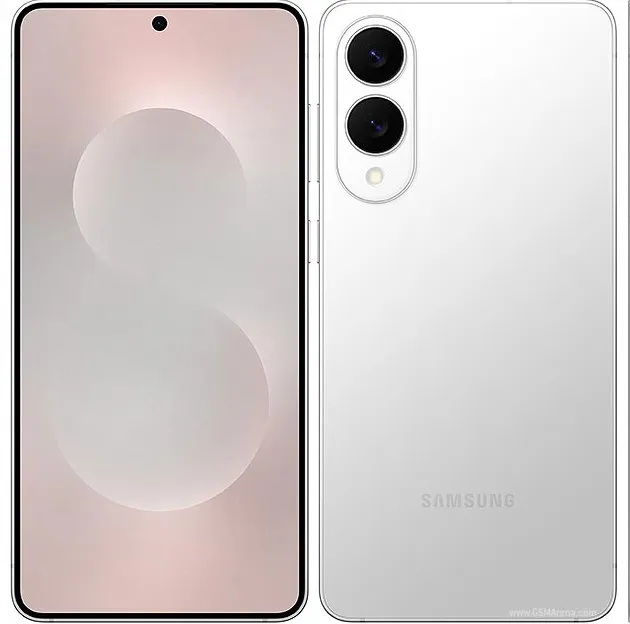
Compare Asus ZenFone Max Pluswith Samsung Galaxy S25 Edge

Feature

Asus ZenFone Max Plus

Samsung Galaxy S25 Edge

Introduction Time November 2017
Availability Status Released Releasing soon
Official Release Date December 2017
Operating System Type at Release Android Android
Operating System at Release Android 7.0 (Nougat) Android 15
Size and Dimensions 152.6 x 73 x 8.8 mm 158.2x75.6x5.8 mm (6.23x2.98x0.23 inches)
Product Weight 160 gram (g) 163 gram (g)
Screen Size 5.7 inch 6.7 inch
Display Panel Type
Display Resolution
Pixel Density Range
Screen-to-Body Ratio ~75.3 percent (%) ~92.1 percent (%)
Screen Aspect Ratio -
Memory Card Slot true false
Bluetooth Support
Supported Memory Card Capacity -
Main Camera Type - Wide/Standard 16 megapixel (mp) 200 megapixel (mp)
Ultra-Wide Lens 8 megapixel (mp) -
Maximum Video Recording Quality of Rear Camera -
Main Selfie Camera Quality 8 megapixel (mp) 12 megapixel (mp)
Battery Capacity 4130mAh 3900mAh
Battery Technology Lithium Polymer -
Battery Replaceability Non-user replaceable -
Wireless Charging Support false true
Connection Port Type -
OTG Support true -
Fast Charging Capability false true
Speaker Type Mono -
Number of 3.5mm Jacks true -
Fingerprint Sensor Type On the back of the phone -
Wi-Fi Specifications -
Communication Technologies -
5G Support false -
Navigation Type and GPS -
Price Range at Time of Release - 1099.99 dollar ($) \$
Operating System Details and Description - Android 15, One UI 7
Color Options - Titanium Ice Blue, Silver, Titanium Black
Highest Refresh Rate - 120 hertz (hz)
RAM Memory -
Main Selfie Camera Specifications -
Maximum Supported Charging Power -
Full Charge Time -
Maximum Wireless Charging Power -
Chipset Model -
GPU Model -
Rear Camera Details - 200 , f/1.7, (wide), 1/1.56", PDAF, OIS 12 , f/2.2, (ultrawide), PDAF megapixel (mp)

Compare Asus ZenFone Max Pluswith ZTE Nubia Red Magic 6s

Feature

Asus ZenFone Max Plus

ZTE Nubia Red Magic 6s

Introduction Time November 2017 September 6, 2021
Availability Status Released Released
Official Release Date December 2017 September 27, 2021
Operating System Type at Release Android Android
Operating System at Release Android 7.0 (Nougat) Android 11
Size and Dimensions 152.6 x 73 x 8.8 mm 169.9 x 77.2 x 9.5 mm
Product Weight 160 gram (g) 215 gram (g)
Screen Size 5.7 inch 6.8 inch
Display Panel Type
Display Resolution
Pixel Density Range
Screen-to-Body Ratio ~75.3 percent (%) ~85.1 percent (%)
Screen Aspect Ratio 20:9
Memory Card Slot true false
Bluetooth Support
Supported Memory Card Capacity -
Main Camera Type - Wide/Standard 16 megapixel (mp) 64 megapixel (mp)
Ultra-Wide Lens 8 megapixel (mp) 8 megapixel (mp)
Maximum Video Recording Quality of Rear Camera 8K
Main Selfie Camera Quality 8 megapixel (mp) 8 megapixel (mp)
Battery Capacity 4130mAh 5050mAh
Battery Technology Lithium Polymer Lithium Polymer
Battery Replaceability Non-user replaceable Non-user replaceable
Wireless Charging Support false false
Connection Port Type
OTG Support true true
Fast Charging Capability false true
Speaker Type Mono Stereo (dual)
Number of 3.5mm Jacks true true
Fingerprint Sensor Type On the back of the phone Under-display (optical)
Wi-Fi Specifications
Communication Technologies GSM / CDMA / HSPA / EVDO / LTE / 5G
5G Support false true
Navigation Type and GPS GPS with A-GPS/GLONASS/GALILEO/BDS - Dual-band
Price Range at Time of Release -
Front Panel Material - Glass - Gorilla Glass
Frame material type - Metal - Stainless Steel
Highest Refresh Rate - 165 hertz (hz)
Maximum Brightness Level - 700 nit
Macro Camera Type - 2 megapixel (mp)
Maximum Video Recording Resolution of Selfie Camera -
Maximum Supported Charging Power -

Compare Asus ZenFone Max Pluswith ZTE Voyage 40 Pro Plus

Feature

Asus ZenFone Max Plus

ZTE Voyage 40 Pro Plus

Introduction Time November 2017 August 1, 2022
Availability Status Released Released
Official Release Date December 2017 December 6, 2022
Operating System Type at Release Android Android
Operating System at Release Android 7.0 (Nougat) Android 12
Size and Dimensions 152.6 x 73 x 8.8 mm 163.5 x 75.8 x 7.6 mm
Product Weight 160 gram (g) 192.5 gram (g)
Screen Size 5.7 inch 6.67 inch
Display Panel Type
Display Resolution
Pixel Density Range
Screen-to-Body Ratio ~75.3 percent (%) ~86.7 percent (%)
Screen Aspect Ratio 20:9
Memory Card Slot true true
Bluetooth Support
Supported Memory Card Capacity -
Main Camera Type - Wide/Standard 16 megapixel (mp) 64 megapixel (mp)
Ultra-Wide Lens 8 megapixel (mp) -
Maximum Video Recording Quality of Rear Camera 4K
Main Selfie Camera Quality 8 megapixel (mp) 16 megapixel (mp)
Battery Capacity 4130mAh 4510 mAh
Battery Technology Lithium Polymer Lithium Polymer
Battery Replaceability Non-user replaceable Non-user replaceable
Wireless Charging Support false false
Connection Port Type USB Type-C 2.0
OTG Support true -
Fast Charging Capability false true
Speaker Type Mono Mono
Number of 3.5mm Jacks true false
Fingerprint Sensor Type On the back of the phone On the side of the phone
Wi-Fi Specifications
Communication Technologies
5G Support false true
Navigation Type and GPS
Equivalent Name -
Part Numbers -
Price Range at Time of Release -
Front Panel Material - Glass
Highest Refresh Rate - 60 hertz (hz)
Memory Card Slot Type -
Macro Camera Type - 5 megapixel (mp)
Depth Sensor Camera - 2 megapixel (mp)
Maximum Video Recording Resolution of Selfie Camera -
Maximum Supported Charging Power -
Full Charge Time -

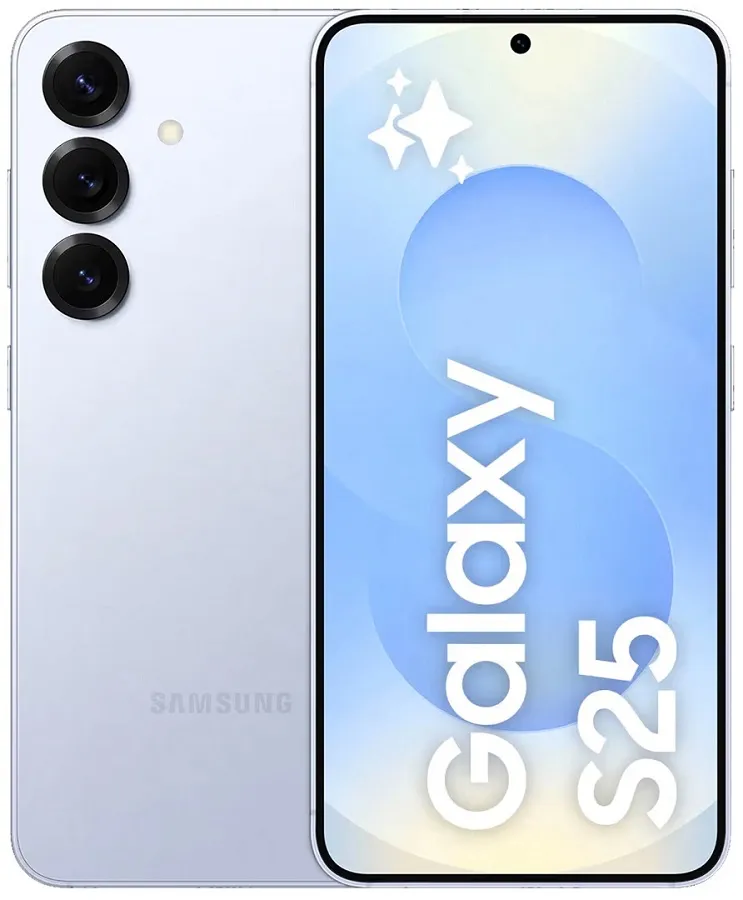
Compare Asus ZenFone Max Pluswith Samsung Galaxy S25 (Galaxy S25)

Feature

Asus ZenFone Max Plus

Samsung Galaxy S25 (Galaxy S25)

Introduction Time November 2017
Availability Status Released Released
Official Release Date December 2017
Operating System Type at Release Android Android
Operating System at Release Android 7.0 (Nougat) Android 15
Size and Dimensions 152.6 x 73 x 8.8 mm 146.9 x 70.5 x 7.2 mm
Product Weight 160 gram (g) 162 gram (g)
Screen Size 5.7 inch 6.2 inch
Display Panel Type
Display Resolution
Pixel Density Range
Screen-to-Body Ratio ~75.3 percent (%) ~91.1 percent (%)
Screen Aspect Ratio 19.5:9
Memory Card Slot true false
Bluetooth Support 5.4
Supported Memory Card Capacity -
Main Camera Type - Wide/Standard 16 megapixel (mp) 50 megapixel (mp)
Ultra-Wide Lens 8 megapixel (mp) 12 megapixel (mp)
Maximum Video Recording Quality of Rear Camera 8K
Main Selfie Camera Quality 8 megapixel (mp) 12 megapixel (mp)
Battery Capacity 4130mAh 4000mAh
Battery Technology Lithium Polymer Lithium-Ion
Battery Replaceability Non-user replaceable Non-user replaceable
Wireless Charging Support false true
Connection Port Type USB Type-C 3.2
OTG Support true true
Fast Charging Capability false true
Speaker Type Mono Stereo (dual)
Number of 3.5mm Jacks true false
Fingerprint Sensor Type On the back of the phone Under-display (Ultrasonic)
Wi-Fi Specifications Wi-Fi 7 (802.11be) a/b/g/n/ac/ax/be
Communication Technologies GSM / CDMA / HSPA / EVDO / LTE / 5G
5G Support false true
Navigation Type and GPS
Price Range at Time of Release -
Operating System Details and Description - Android 15, One UI 7
Specific absorption rate (SAR) - 1.29 W/kg (for head) and 1.36 W/kg (for body)
European SAR rate (SAR EU) - 0.84 W/kg (for body)
Part Numbers -
Color Options - Light Blue, Green, Navy, Silver, Gold, Coral Red, Black
Highest Refresh Rate - 120 hertz (hz)
Display Technical Details -
Maximum Brightness Level - 2600 nit
Chipset Model -
Chip Manufacturing Process - 3 nm
Number of Processor Cores - 8 core
Processor Core Details -
GPU Model - Adreno 830
Internal Memory and RAM Performance - 128GB with 12GB RAM and 256GB with 12GB RAM and 512GB with 12GB RAM
RAM Memory -
Internal Memory Capacity - 512GB and 256GB and 128GB
Internal Storage Type -
Rear Camera Details -
Main Camera Specifications - Wide/Standard -
Ultra-Wide Camera Details -
Filming Details - 8K@24/30fps, 4K@30/60fps, 1080p@30/60/120/240fps, 10-bit HDR, Features HDR10+ technology, Stereo sound recording, Gyro-EIS
Telephoto Lens - 10 megapixel (mp)
Telephoto Camera Details -
Supported HDR Standards -
Main Selfie Camera Specifications -
Maximum Video Recording Resolution of Selfie Camera - 4K
Selfie Camera Video Recording Details - 4K@30/60fps, 1080p video recording at 30 fps
Maximum Supported Charging Power -
Full Charge Time -
Other battery and charging features - 1.13 W/kg (for head) and 0.92 W/kg (for body)
Maximum Wireless Charging Power -
Other Port Specifications - DisplayPort 1.2 support
Audio capabilities -
Smart Sensors -
Wi-Fi Details and Description -
Bluetooth Details and Description -
Back body material - Glass (Gorilla Glass Victus 2)
Front Panel Material - Glass - Gorilla Glass Victus 2
Frame material type - Metal - Stainless Steel
Compatible SIM Card Types - Nano SIM card + Nano SIM card + eSIM (max 2 at a time) - INT Nano SIM card + eSIM + eSIM (max 2 at a time) - USA Nano SIM card + Nano SIM card - CNeSIM

Compare Asus ZenFone Max Pluswith ZTE Nubia Z7 Max

Feature

Asus ZenFone Max Plus

ZTE Nubia Z7 Max

Introduction Time November 2017 July 2014
Availability Status Released Released
Official Release Date December 2017 July 2014
Operating System Type at Release Android Android
Operating System at Release Android 7.0 (Nougat) Android 4.4.2 (KitKat)
Size and Dimensions 152.6 x 73 x 8.8 mm 152.7 x 76 x 8.7 mm
Product Weight 160 gram (g) 160 gram (g)
Screen Size 5.7 inch 5.5 inch
Display Panel Type
Display Resolution
Pixel Density Range
Screen-to-Body Ratio ~75.3 percent (%) ~71.1 percent (%)
Screen Aspect Ratio
Memory Card Slot true true
Bluetooth Support
Supported Memory Card Capacity
Main Camera Type - Wide/Standard 16 megapixel (mp) 13 megapixel (mp)
Ultra-Wide Lens 8 megapixel (mp) -
Maximum Video Recording Quality of Rear Camera 4K
Main Selfie Camera Quality 8 megapixel (mp) 5 megapixel (mp)
Battery Capacity 4130mAh 3100mAh
Battery Technology Lithium Polymer Lithium-Ion
Battery Replaceability Non-user replaceable Non-user replaceable
Wireless Charging Support false false
Connection Port Type
OTG Support true false
Fast Charging Capability false false
Speaker Type Mono Mono
Number of 3.5mm Jacks true true
Fingerprint Sensor Type On the back of the phone -
Wi-Fi Specifications
Communication Technologies
5G Support false false
Navigation Type and GPS
Price Range at Time of Release -
Maximum Video Recording Resolution of Selfie Camera -

Compare Asus ZenFone Max Pluswith ZTE Nubia Z9

Feature

Asus ZenFone Max Plus

ZTE Nubia Z9

Introduction Time November 2017 May 2015
Availability Status Released Released
Official Release Date December 2017 June 2015
Operating System Type at Release Android Android
Operating System at Release Android 7.0 (Nougat) Android 5.0.2 (Lollipop)
Size and Dimensions 152.6 x 73 x 8.8 mm 147.4 x 68.3 x 8.9 mm
Product Weight 160 gram (g) 192 gram (g)
Screen Size 5.7 inch 5.2 inch
Display Panel Type
Display Resolution
Pixel Density Range
Screen-to-Body Ratio ~75.3 percent (%) ~74.0 percent (%)
Screen Aspect Ratio
Memory Card Slot true false
Bluetooth Support
Supported Memory Card Capacity -
Main Camera Type - Wide/Standard 16 megapixel (mp) 16 megapixel (mp)
Ultra-Wide Lens 8 megapixel (mp) -
Maximum Video Recording Quality of Rear Camera 4K
Main Selfie Camera Quality 8 megapixel (mp) 8 megapixel (mp)
Battery Capacity 4130mAh 2900mAh
Battery Technology Lithium Polymer Lithium-Ion
Battery Replaceability Non-user replaceable Non-user replaceable
Wireless Charging Support false -
Connection Port Type
OTG Support true true
Fast Charging Capability false -
Speaker Type Mono -
Number of 3.5mm Jacks true true
Fingerprint Sensor Type On the back of the phone On the side of the phone
Wi-Fi Specifications
Communication Technologies
5G Support false false
Navigation Type and GPS
Price Range at Time of Release -
Maximum Video Recording Resolution of Selfie Camera -

Compare Asus ZenFone Max Pluswith ZTE Imperial

Feature

Asus ZenFone Max Plus

ZTE Imperial

Introduction Time November 2017 June 2013
Availability Status Released Released
Official Release Date December 2017 June 2013
Operating System Type at Release Android Android
Operating System at Release Android 7.0 (Nougat) Android 4.1 (Jelly Bean)
Size and Dimensions 152.6 x 73 x 8.8 mm 152 x 65.5 x 12.2 mm
Product Weight 160 gram (g) 153.4 gram (g)
Screen Size 5.7 inch 4.0 inch
Display Panel Type
Display Resolution
Pixel Density Range
Screen-to-Body Ratio ~75.3 percent (%) ~57.9 percent (%)
Screen Aspect Ratio
Memory Card Slot true true
Bluetooth Support
Supported Memory Card Capacity
Main Camera Type - Wide/Standard 16 megapixel (mp) 5 megapixel (mp)
Ultra-Wide Lens 8 megapixel (mp) -
Maximum Video Recording Quality of Rear Camera -
Main Selfie Camera Quality 8 megapixel (mp) Has selfie camera (type unspecified)
Battery Capacity 4130mAh 2500mAh
Battery Technology Lithium Polymer Lithium-Ion
Battery Replaceability Non-user replaceable User replaceable
Wireless Charging Support false -
Connection Port Type
OTG Support true false
Fast Charging Capability false -
Speaker Type Mono Mono
Number of 3.5mm Jacks true true
Fingerprint Sensor Type On the back of the phone -
Wi-Fi Specifications
Communication Technologies
5G Support false false
Navigation Type and GPS
Price Range at Time of Release -