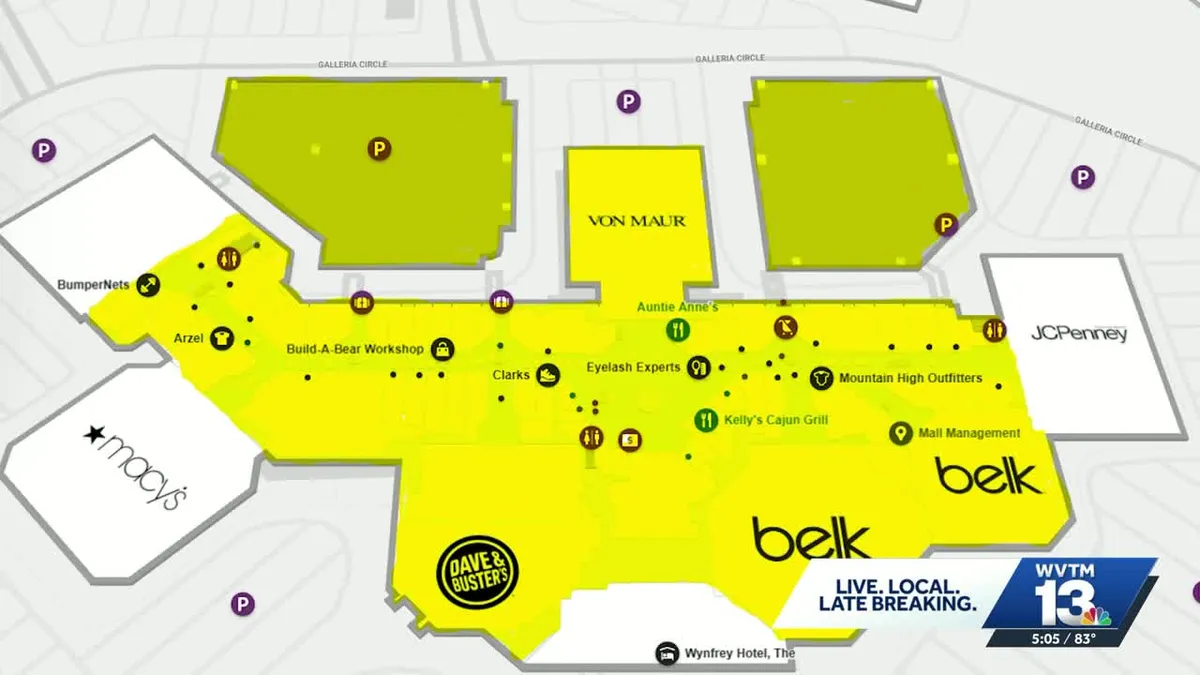
The Riverchase Galleria, a prominent retail landmark in Hoover, Alabama, has been partially listed for sale. This move comes as the mall grapples with declining foot traffic and the broader economic challenges impacting the traditional retail sector. City officials have expressed optimism that new ownership could usher in a period of revitalization for the struggling shopping center, aiming to reverse years of diminished economic activity and customer engagement.
The decision to list the Galleria, at least partially, signals a critical juncture for the property. Historically a vibrant hub for commerce and community, the mall, like many of its counterparts nationwide, has faced significant headwinds from the rise of e-commerce, changing consumer habits, and economic downturns. The sale presents an opportunity for a strategic repositioning, potentially attracting investors or developers with a vision to reimagine its purpose and functionality.
Challenges and Opportunities for the Riverchase Galleria
The challenges facing the Riverchase Galleria are multifaceted. A sustained decrease in shoppers has led to a higher vacancy rate among retail tenants, impacting rental income and the overall atmosphere of the mall. This trend is not unique to Hoover; numerous enclosed malls across the United States are experiencing similar difficulties, forcing property owners and local governments to seek innovative solutions. The potential new owners will need to address these core issues, perhaps by diversifying the tenant mix, incorporating experiential retail, or even repurposing parts of the space for non-retail uses such as entertainment, dining, or residential units.
Conversely, the sale also presents a significant opportunity. The Galleria's established location and existing infrastructure could be leveraged by a new management team committed to its revival. The involvement of city officials underscores a collaborative approach to finding a sustainable path forward. Their hope is that a motivated buyer will inject capital and a fresh strategic direction, potentially re-establishing the mall as a key destination for shoppers and the local community.
Economic Context of Regional Malls
The retail landscape has undergone a seismic shift over the past decade. The convenience of online shopping, coupled with changing demographic and lifestyle preferences, has fundamentally altered how consumers interact with physical retail spaces. This has placed immense pressure on traditional malls, many of which were built during a different era of consumerism. While some have successfully adapted by integrating entertainment, dining, and services, others have struggled to maintain relevance.
The Riverchase Galleria's situation reflects this broader economic trend. The success of any revitalization effort will likely depend on the ability of new ownership to understand and cater to the evolving needs of the local market. This might involve embracing a mixed-use development model, creating more community-focused spaces, or integrating technology to enhance the in-person shopping experience. The city's engagement suggests a commitment to supporting these adaptation efforts.
Potential Revitalization Strategies
Several strategies could be employed by new owners to revitalize the Riverchase Galleria. One approach involves a focus on experiential retail, where the mall offers attractions and activities that cannot be replicated online, such as interactive exhibits, live entertainment, or unique dining experiences. Another avenue is the diversification of tenancy, moving beyond traditional apparel stores to include fitness centers, co-working spaces, healthcare providers, or even residential components, transforming the mall into a multi-functional community hub.
Furthermore, technological integration could play a crucial role. Implementing smart retail solutions, personalized marketing campaigns driven by data analytics, and seamless integration between online and offline shopping channels can enhance customer engagement. The strategic acquisition of the property by a developer experienced in mall turnarounds or urban redevelopment could also bring the necessary expertise and capital to execute a comprehensive transformation plan, ensuring the Galleria's long-term viability and economic contribution to Hoover.
Impact Analysis
The sale of a significant portion of the Riverchase Galleria could have a considerable impact on the local economy of Hoover and the surrounding Birmingham metropolitan area. A successful revitalization would not only create jobs during the redevelopment phase but also sustain employment through new retail, service, and potentially residential operations. It could also boost local tax revenues and property values. Conversely, a prolonged period of decline or unsuccessful redevelopment could lead to further economic stagnation, negatively affecting the city's commercial appeal and consumer confidence.
The outcome of this sale and subsequent redevelopment efforts will serve as a case study for other regional malls facing similar pressures. The strategies adopted, the partnerships formed, and the ultimate success or failure of the transformation will provide valuable insights into navigating the evolving retail environment. The active involvement of city officials suggests a strategic interest in ensuring a positive outcome that benefits the community.