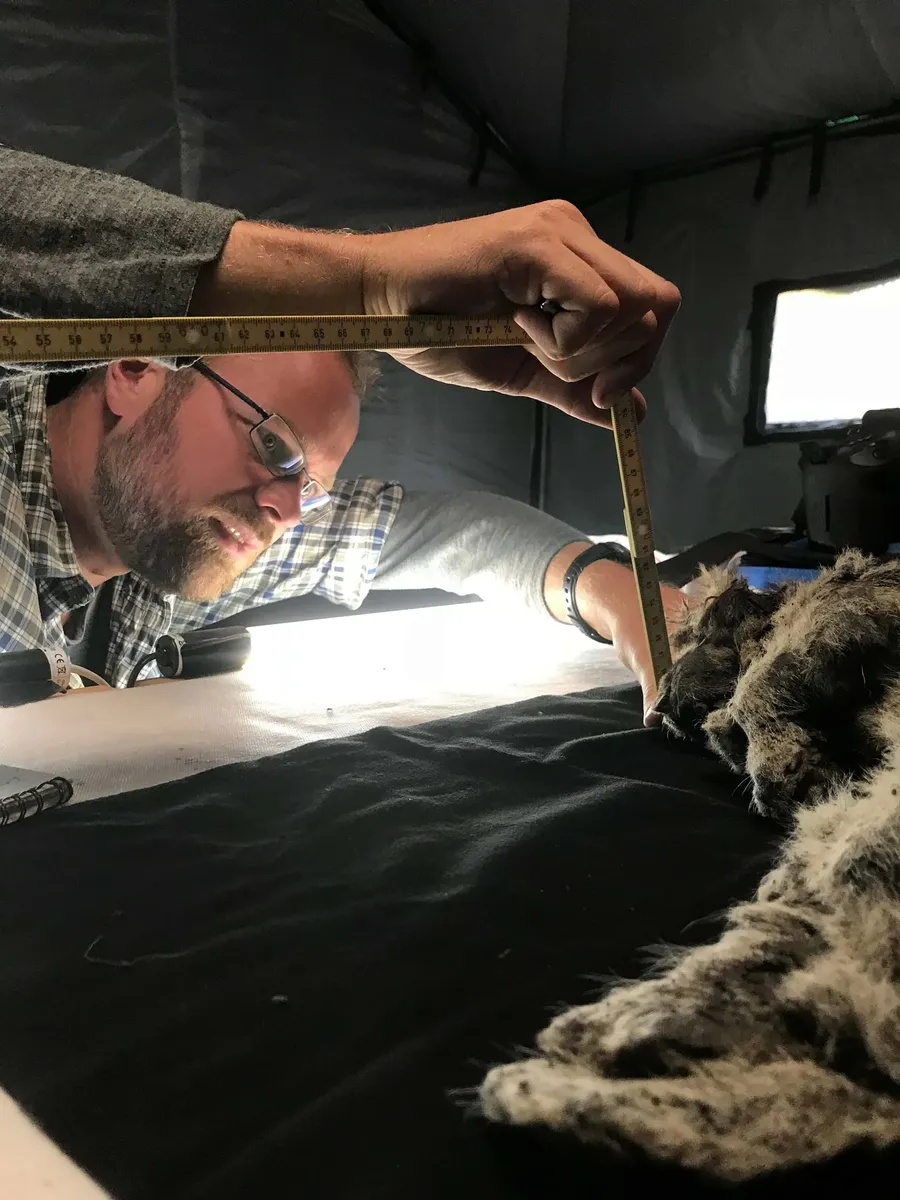
Recent genetic research has revealed that the extinct cave lion (Panthera spelaea) represents a highly distinct evolutionary lineage, diverging from modern lions (Panthera leo) more than 1.5 million years ago. Analyzing 12 genomes from specimens spanning over 100,000 years across Eurasia and North America, scientists found significant genetic differences compared to modern lions. These variations are linked to unique biological features affecting brain function, vision, and development, suggesting a distinct evolutionary path.
The study also uncovered evidence of interbreeding between cave lions and modern lions, particularly during periods of significant climate change. These events, likely driven by shifting habitats and population movements, created opportunities for gene flow. The findings challenge previous notions of cave lions as merely larger versions of modern lions, establishing them as a unique and ancient branch of the big cat family tree.