For centuries, paleontologists and enthusiasts have viewed the extinct cave lion (Panthera spelaea) as merely a larger, more robust cousin to the modern lion (Panthera leo). However, groundbreaking research utilizing ancient DNA analysis has redefined this perception. A comprehensive study, conducted by researchers at the Centre for Palaeogenetics (CPG) involving Stockholm University and the Swedish Museum of Natural History, has sequenced 12 genomes from cave lion specimens across Eurasia and parts of North America. These samples, dating back over 100,000 years, were meticulously compared against 20 genomes from extant lion populations in Africa and southern Asia, painting a picture of a species that evolved along a significantly separate path.
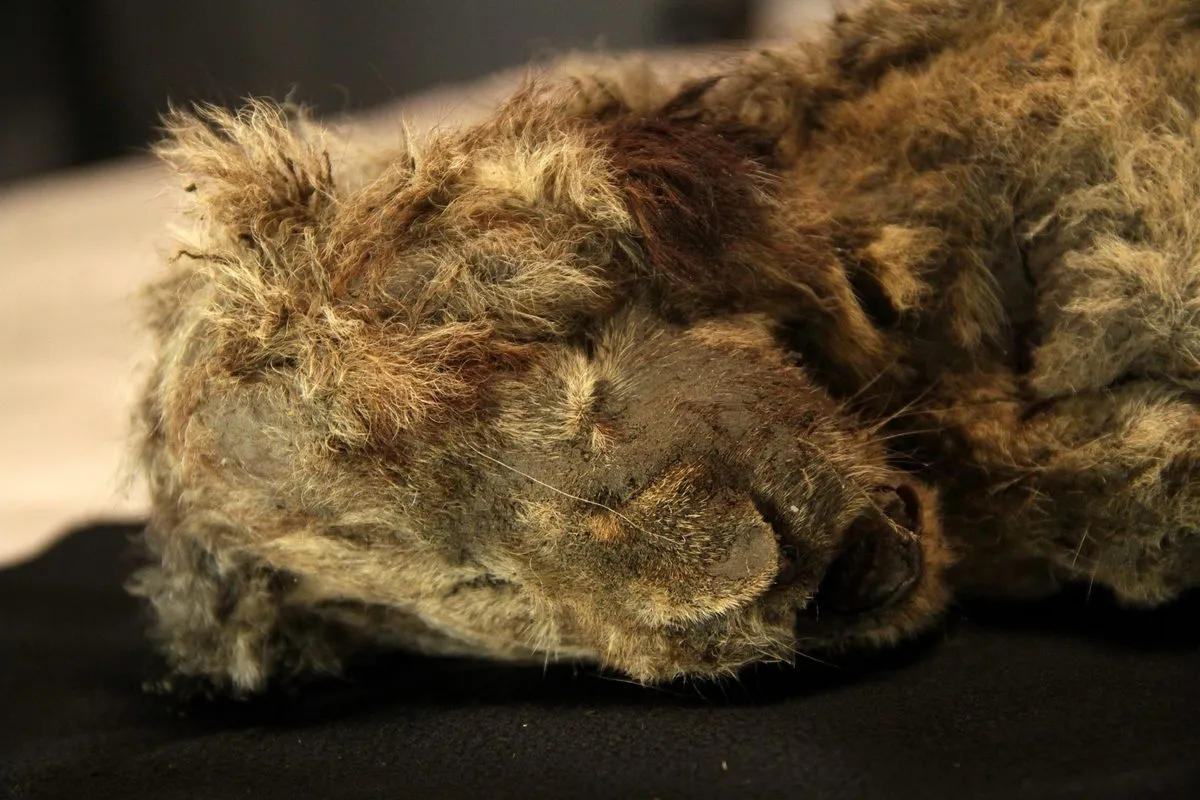
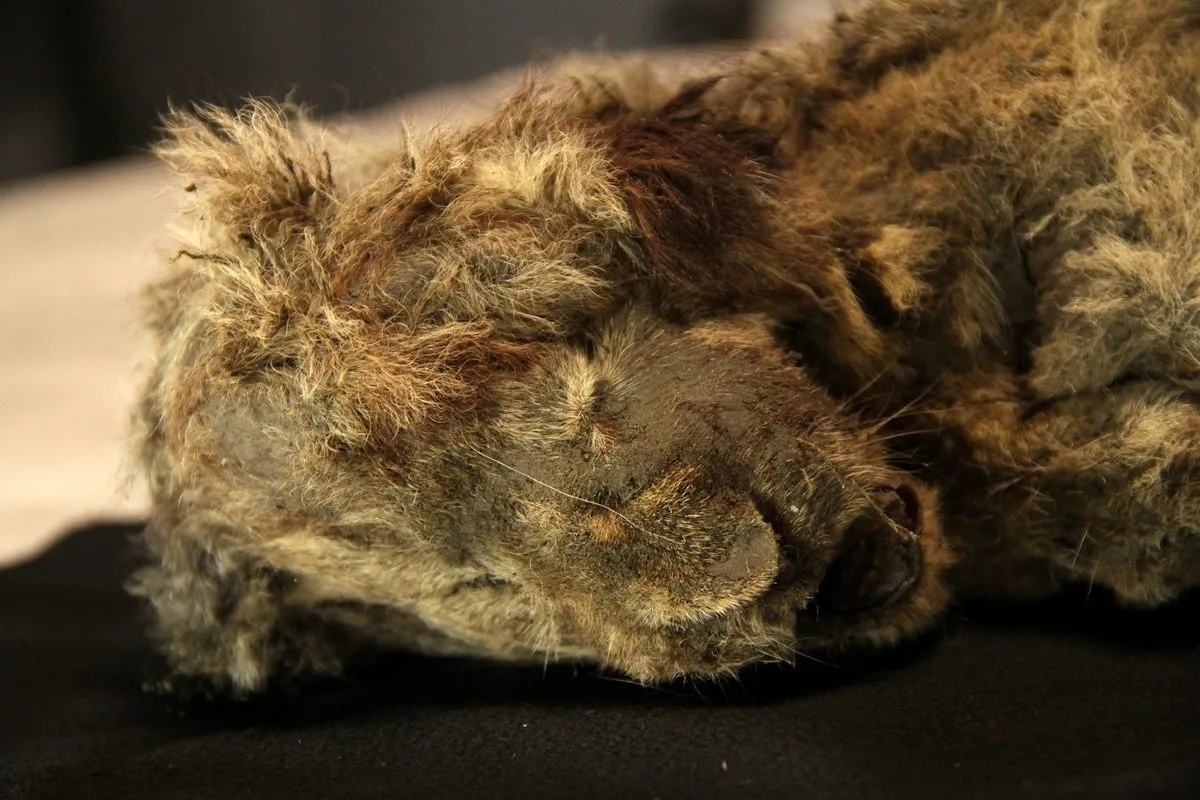
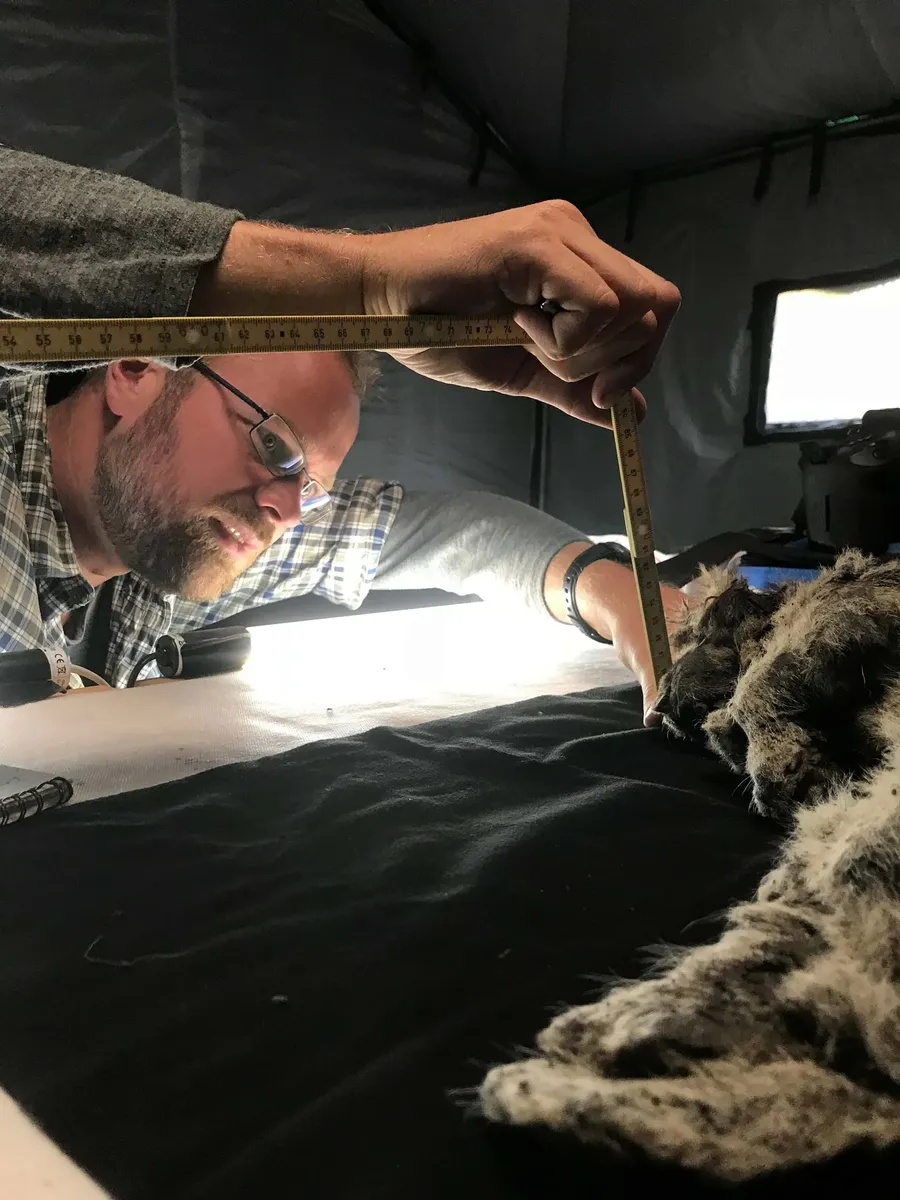
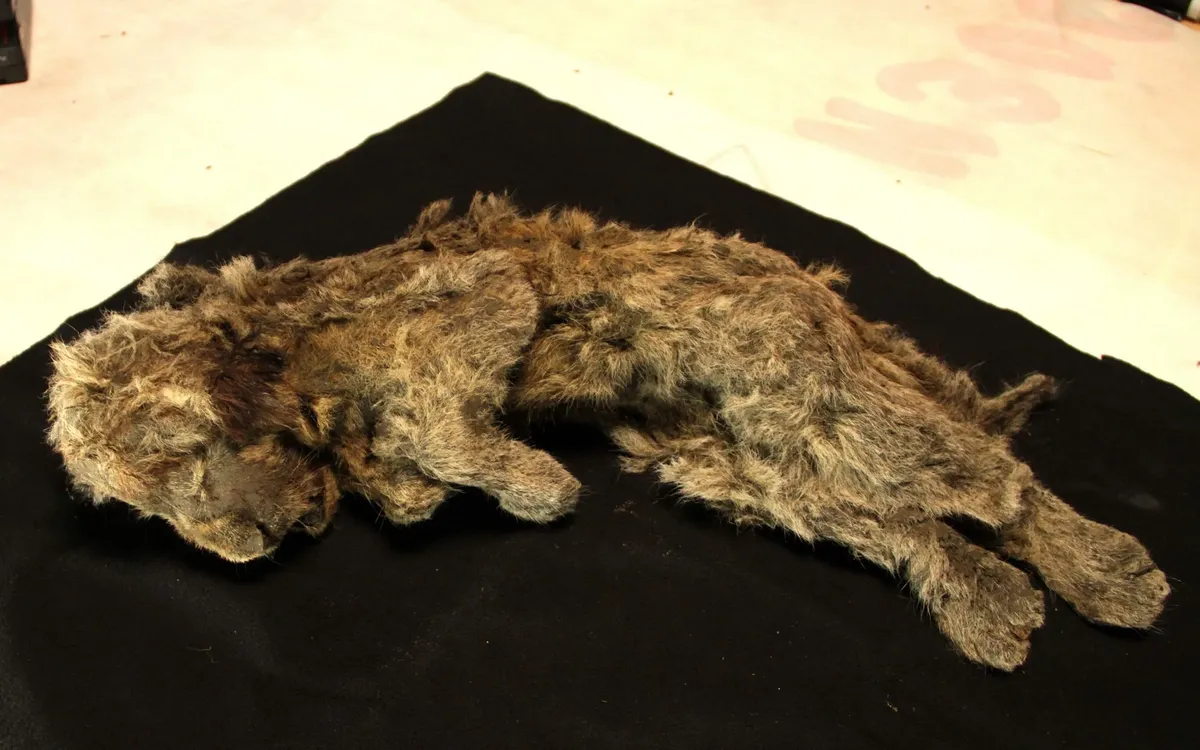
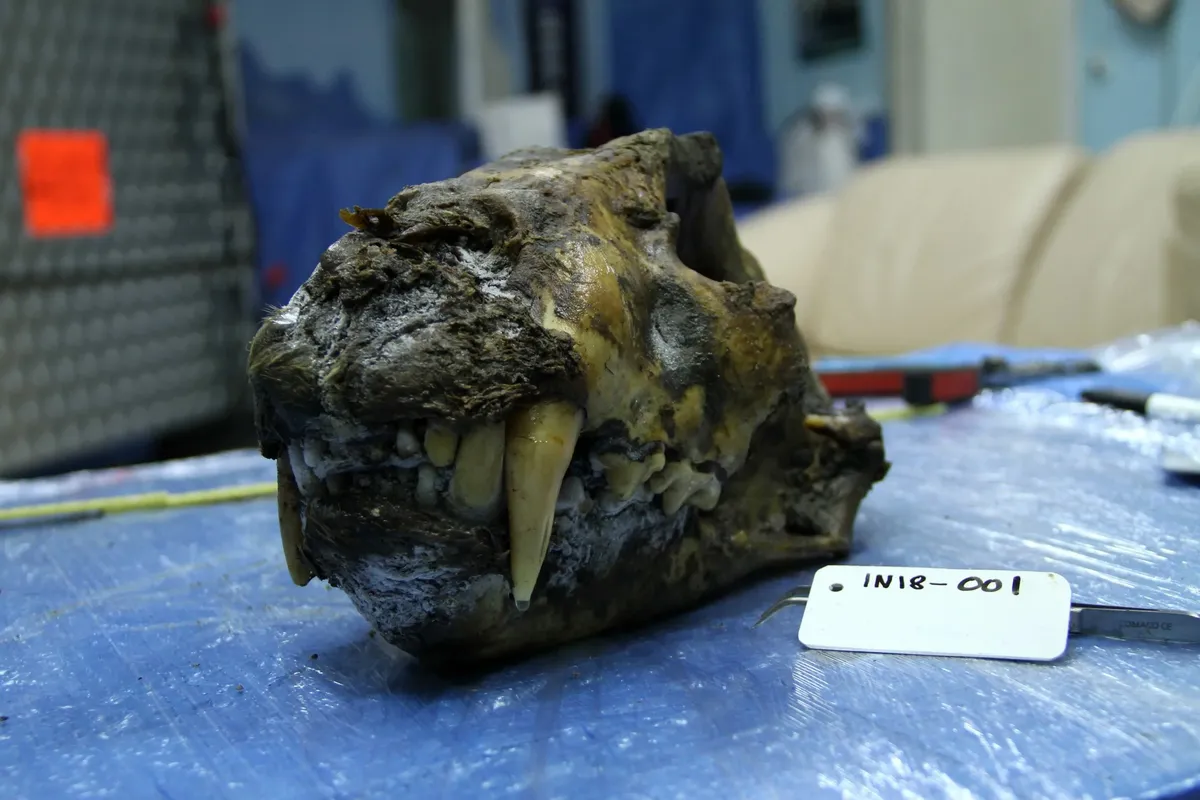
The scientific team extracted DNA from fossilized bones and teeth of the cave lions. Remarkably, they also succeeded in recovering genetic material from exceptionally well-preserved soft-tissue specimens, including two cave lion cubs discovered in Northern Siberia. The most complete of these cubs, nicknamed 'Sparta', is approximately 32,000 years old according to radiocarbon dating. This advanced genetic analysis provides unprecedented insight into the evolutionary history and unique characteristics of this formidable Ice Age predator.
Unveiling a Separate Evolutionary Trajectory
A Divergence of Over 1.5 Million Years
The comparison of cave lion and modern lion genomes has conclusively demonstrated that they represent distinct evolutionary branches. This genetic evidence pushes back the estimated divergence date significantly, from previous estimates of around 500,000 years ago to well over 1.5 million years ago. This extended timeline underscores the prolonged period of independent evolution that cave lions underwent, allowing them to accumulate a unique set of biological traits.
David Stanton, the study's lead author and a lecturer at Cardiff University, elaborated on these findings: "Cave lions have often been portrayed as just larger, more rugged versions of modern lions. But what we see in their genomes is something much more remarkable – a lineage that has been evolving independently for over a million years, accumulating its own unique biological features." This indicates that *Panthera spelaea* was not simply an archaic variant of *Panthera leo*, but a distinct species with its own evolutionary narrative.
Unique Biological and Behavioral Adaptations
Beyond establishing a distinct evolutionary timeline, the genomic analysis identified several key genetic differences between cave lions and modern lions. These genetic variations are associated with crucial biological functions, including brain development, vision, growth, and circulatory systems. This suggests that cave lions not only possessed distinct physical characteristics but also exhibited different behavioral patterns compared to their modern counterparts.
This genetic evidence aligns with insights gleaned from fossil records and ancient cave art. Depictions by humans who coexisted with cave lions suggest that males likely lacked the prominent manes characteristic of modern lions and may have possessed lighter-colored coats. These findings collectively support the notion of a species adapted to different environmental pressures and ecological niches.
Evidence of Interbreeding and Climate Influence
Despite their long period of divergence, cave lions and modern lions were not entirely isolated from one another. The study's genomic comparisons revealed multiple instances of interbreeding between the two species occurring over tens of thousands of years. While the genetic contribution from modern lions to cave lion populations was relatively minor, these interbreeding events were widespread and occurred at various points in time.
Intriguingly, these interbreeding episodes appear to be closely linked to significant shifts in global climate. During colder periods characterized by expanding ice sheets, cave lion populations are believed to have migrated southward. This expansion brought them into contact with modern lion populations in regions like Central and Southwest Asia, leading to the observed gene flow. The genetic data shows an increase in modern lion ancestry within cave lion genomes during these glacial phases.
Co-author Love Dalén commented on this phenomenon: "Our results suggest that past climate change did more than reshape habitats. It actively brought species together, creating brief opportunities for interbreeding that would not have existed otherwise." The primary source of this elevated modern lion DNA in cave lion genomes is thought to be a now-extinct population of modern lions from Southwest Asia.
Dynamic Population Dynamics
The research also highlights the remarkable dynamism of cave lion populations. Despite their separate evolutionary path and occasional interbreeding, cave lions demonstrated a significant capacity for rapid gene dispersal over vast distances. They were capable of spreading their genetic lineage widely within relatively short geological timescales, indicating robust population structures and migratory behaviors.
The study, published in the journal Cell, provides a substantial revision to our understanding of cave lions. It solidifies their status as a distinct evolutionary lineage and offers new perspectives on their biology, behavior, and interactions with other large predators, all influenced by the dramatic climatic shifts of the Pleistocene epoch.