Gansbaai, a region historically celebrated as the "great white shark capital of the world," is now witnessing a dramatic and concerning decline in the presence of these apex predators. This shift is significantly impacting the local ecotourism industry, which heavily relies on viewing these iconic marine animals. Recent observations from marine ecotourism operators, who have been crucial in studying and documenting local wildlife for decades, indicate a stark absence of great white sharks, replaced predominantly by other species like the bronze whaler shark. This phenomenon raises critical questions about the health of the marine ecosystem and the potential threats facing great white shark populations in South African waters.
The change has been noticeable for several years, with operators like Marine Dynamics reporting a significant decrease in great white sightings. While bronze whalers, themselves formidable predators, are now frequently encountered, the absence of great whites is a stark indicator of a broader ecological imbalance. This trend is not merely an inconvenience for tour operators; it represents a potential ecological crisis, prompting urgent calls for further investigation into the causes and for the implementation of more effective conservation strategies to protect one of the ocean's most magnificent, and increasingly vulnerable, species.
The Vanishing Great Whites of Gansbaai
Historic Abundance and the Current Absence
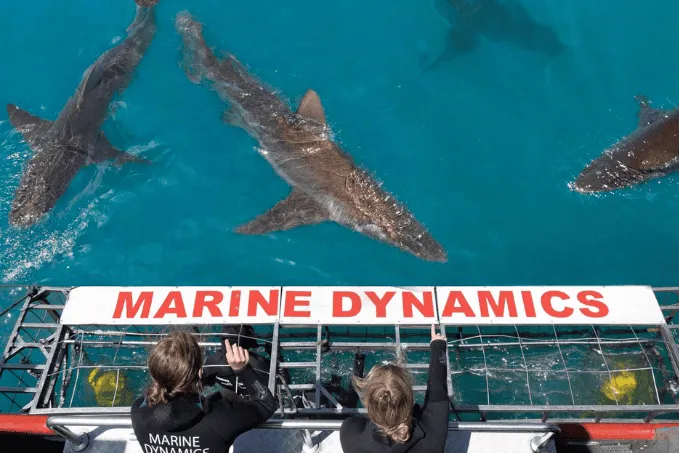
For over two decades, Gansbaai has been a global epicenter for great white shark tourism, drawing visitors eager to witness these powerful predators. Marine Dynamics, a pioneer in the local ecotourism sector, has been at the forefront of these operations and has meticulously documented shark activity. However, their recent findings paint a troubling picture. In a typical month, the company observes hundreds of bronze whaler sharks, some exceeding three meters in length, with a notable presence of both adult females and males. This contrasts sharply with the diminishing numbers of great white sharks, leading to a significant shift in the species encountered by tourists and researchers alike.
Wilfred Chivell, founder of Marine Dynamics and the Dyer Island Conservation Trust, expressed grave concern over the situation. He stated that the current lack of great white sharks in the area is not a cyclical event but a result of their decline, with many having been negatively impacted. This sentiment is echoed by conservationists who have observed the disappearance of these sharks over the past five years. The once-reliable presence of great whites has been replaced by other species, highlighting a significant disruption in the marine food web and raising alarms about the long-term viability of the great white population in this historically vital habitat.
Population Studies and Declining Numbers
The decline in great white shark numbers in Gansbaai is not a sudden event but a trend that conservationists have been monitoring for years. A significant study conducted in 2012-2013 by Marine Dynamics, in collaboration with scientists, estimated the great white population along the South African coast to be between 1,000 and 1,300 individuals. This estimate was based on photographic identification of unique dorsal fins, a method akin to fingerprinting, supplemented by further estimations for undocumented animals.
The subsequent years have seen a concerning reduction in these numbers. Chivell noted that around 2017, an influx of orcas, known predators of great white sharks, led to a temporary displacement. However, the return of the great whites was short-lived, and by approximately five years ago, observations indicated a drastic decrease in their presence. This ongoing absence has shifted the focus of shark diving tours to other species, such as the bronze whaler, indicating a profound change in the marine ecosystem of Gansbaai.
Attributed Causes: Orca Predation, Fishing, and Shark Control Measures
Several factors are believed to be contributing to the alarming decline of great white sharks in Gansbaai. The increased presence of orcas in recent years is a significant factor, as these intelligent marine mammals are known to prey on great white sharks. The shift in the marine environment, potentially influenced by changes in prey availability or other ecological factors, may have led to an increased overlap in the territories of these two apex predators, resulting in a higher predation rate on great whites.
Beyond natural predation, human activities are also cited as major contributors. Longline fishing operations, while not directly targeting great white sharks, pose a substantial threat through bycatch. Loraine Shuttleworth of Marine Dynamics highlighted that these extensive fishing lines, often with thousands of baited hooks, are deployed in areas frequented by sharks. Even if not the intended catch, great white sharks can become entangled and perish. Furthermore, shark control measures, such as nets and drumlines used by organizations like the KwaZulu-Natal Sharks Board to protect human swimmers, are estimated to kill approximately 16 great white sharks annually – a significant toll for a population already under pressure.
Concerns Over Bycatch and Ineffective Protection
The issue of bycatch from commercial fishing is a substantial concern for the dwindling great white shark population. While fishing industries may claim they do not target these sharks, the reality of extensive fishing operations suggests otherwise. Chivell described how long fishing lines, stretching up to 30 kilometers and equipped with thousands of baited hooks, are often towed in shallow waters near known shark habitats. The assertion that these operations do not result in significant bycatch of great white sharks is met with skepticism, with the potential for accidental capture and mortality being extremely high.
The effectiveness and impact of shark control measures also remain a point of contention. While intended to enhance safety for beachgoers, these methods, including nets and drumlines, have been implicated in the deaths of numerous great white sharks. The cumulative effect of these threats – natural predation by orcas, accidental bycatch in fisheries, and direct mortality from shark control measures – creates a complex and dire situation for the conservation of great white sharks in South Africa. This multifaceted pressure demands a comprehensive review of current practices and the implementation of more sustainable and protective strategies for this iconic species.
Impact Analysis
The disappearance of great white sharks from Gansbaai has significant ecological and economic repercussions. Ecologically, the absence of an apex predator can disrupt the marine food web, leading to cascading effects on prey populations and overall ecosystem health. Economically, the decline directly impacts the lucrative shark tourism industry, potentially leading to reduced visitor numbers and revenue, affecting local businesses and employment. This situation underscores the urgent need for a balanced approach that prioritizes conservation efforts, addresses human-induced threats like overfishing and bycatch, and ensures the long-term survival of great white sharks in their natural habitat.