The U.S. Department of Agriculture has confirmed the presence of the New World screwworm fly in south Texas, marking the first detection of this parasitic insect in the state since 1966 and only the third confirmed instance in the United States. This re-emergence of a pest that historically caused significant economic losses to the nation's cattle industry has prompted immediate action, including the establishment of a quarantine zone to prevent further spread.
Agriculture Secretary Brooke Rollins announced that the initial case was identified in a three-week-old calf in LaPryor, Texas, an area situated approximately 50 miles from the U.S.-Mexico border. In response, Texas State Veterinarian Bud Dinges has implemented a 12-mile quarantine radius around the affected area. This measure strictly prohibits the movement of any warm-blooded animal, including livestock and domestic pets, out of the quarantined zone without undergoing a thorough inspection. Officials are emphasizing that while the fly's larvae pose a threat to livestock health, they do not infest food products, and the affected calf is expected to recover with proper treatment.
Biological Threat and Historical Context
The Screwworm Fly Lifecycle and Impact
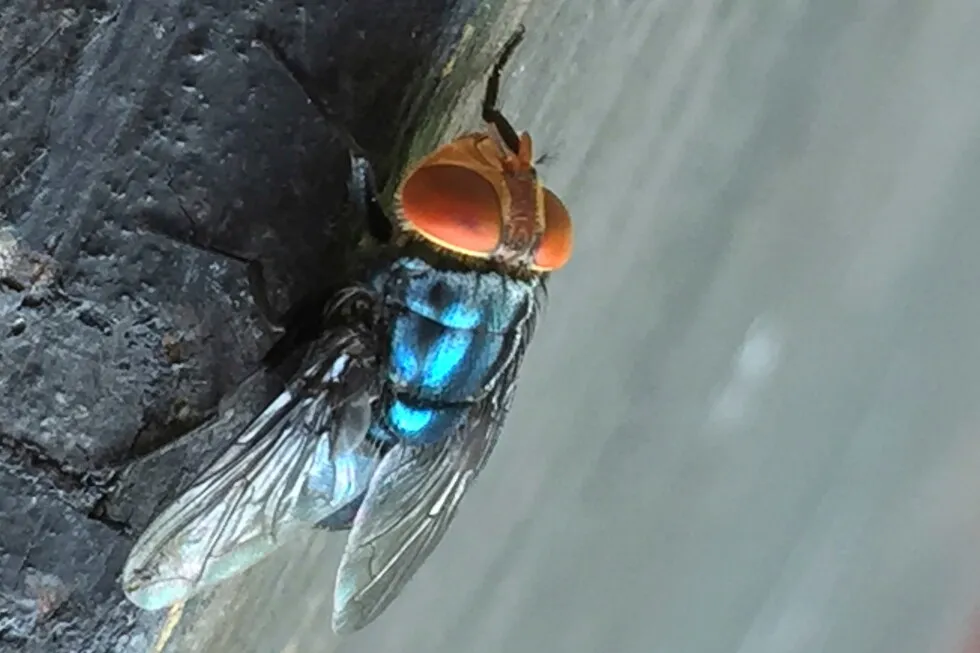
The New World screwworm fly (Cochliomyia hominivorax) is a parasitic species native to tropical regions. Its life cycle involves the female fly laying eggs in the open wounds or mucous membranes of warm-blooded animals. Upon hatching, the larvae feed on living flesh, a characteristic that distinguishes them from most other fly species. This voracious feeding can cause severe tissue damage, leading to significant debilitation, secondary infections, and, if left untreated, death in a wide range of hosts, including cattle, wild mammals, and even pets and humans. The economic impact of screwworm infestations historically has been substantial, with past outbreaks in the United States causing losses estimated in the tens of millions of dollars, which would equate to billions in today's currency.
The historical eradication of the screwworm fly in the U.S. by the 1970s was a significant agricultural achievement, largely accomplished through the sterile insect technique. This method involves releasing large numbers of sterilized male flies that mate with wild females. The resulting sterile eggs do not hatch, leading to a reduction and eventual elimination of the wild population over time. The success of these campaigns led to the closure of U.S. breeding facilities, with only a single facility in Panama continuing operations for decades to manage potential reintroductions.
Recent Incursions and Prevention Strategies
The recent detection in Texas follows heightened concerns over the past year regarding the fly's movement across Mexico. Federal health officials confirmed a case in a Maryland resident in August 2025, who had traveled to El Salvador. Fortunately, the individual recovered, and no further transmission was observed. Prior to this, the last significant outbreak occurred in the Florida Keys in September 2016, primarily affecting wild deer, and was successfully contained by early 2017. This history underscores the importance of vigilance and rapid response protocols.
In response to the growing threat, significant efforts are underway to bolster preventative measures. The U.S. Department of Agriculture (USDA) has allocated $21 million to convert a fruit-fly breeding facility in southern Mexico into a screwworm fly production center, which is expected to become operational next month. Additionally, a new center for dispersing sterile flies bred elsewhere has been established in southern Texas, and construction has begun on a major $750 million facility dedicated to screwworm fly production within the state. These initiatives aim to ensure a robust supply of sterile flies for control efforts.
Regulatory Measures and Public Awareness
Beyond the large-scale breeding and dispersal programs, the USDA has implemented stringent regulatory and surveillance measures. Over 8,000 fly traps have been deployed along the U.S.-Mexico border, and approximately 58,000 fly samples and 19,000 wild animal samples have been tested to monitor for any further presence of the pest. In August 2025, imports of livestock from Mexico were temporarily halted as a precautionary measure. While the fly's natural flight range is limited, it can be transported by humans, pets, and wild animals, making broad public awareness and cooperation crucial.
State Veterinarian Bud Dinges emphasized the critical role of the public, particularly ranchers and pet owners, in adhering to the quarantine restrictions. "Please help us prevent any further movement of this pest by staying put," he urged, highlighting that respecting the quarantine zone is paramount to preventing the establishment of the screwworm fly in the United States. The swift implementation of these measures reflects the serious commitment to protecting the nation's valuable livestock industry.
Impact Analysis
The confirmed presence of the New World screwworm fly in south Texas represents a significant animal health concern with potential economic ramifications for the agricultural sector. While eradication efforts have historically been successful, the re-emergence necessitates a sustained and robust response. The USDA's proactive investment in expanding sterile fly production facilities and enhancing border surveillance indicates a commitment to preventing an established infestation. The quarantine measures, though disruptive, are essential for containing the initial outbreak. Continued monitoring, public education, and international cooperation with Mexico will be critical in safeguarding livestock and preventing a return of the devastating economic losses associated with this parasite.