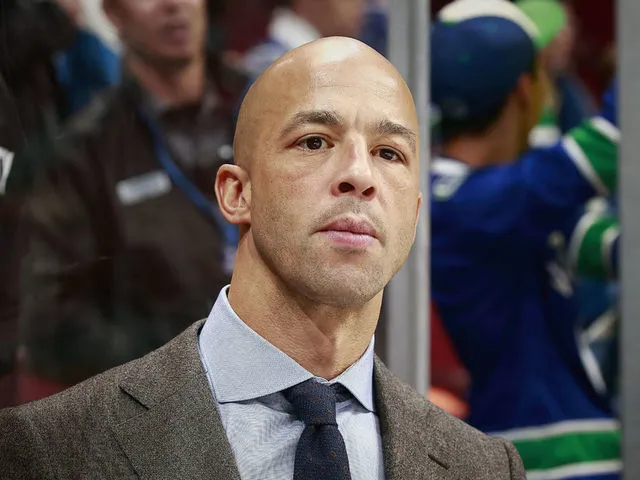
In a moment that defied typical Major League Baseball protocol, Boston Red Sox interim third base coach Chad Epperson has drawn significant attention for an unusual maneuver during a recent game. While coaching at third base on a ball hit into the left field corner, Epperson visibly entered the field of play, stepping onto the infield grass to signal a runner home. This action, captured in video footage, deviates sharply from the established boundaries and expectations for base coaches, who are meant to remain within or near their designated coaching boxes in foul territory.
The incident occurred at Fenway Park and has ignited discussion regarding player and coach positioning and its potential impact on game integrity. Epperson's decision to leave his designated area and position himself on the infield grass, while arguably intended to provide a better vantage point or more direct instruction, carries significant implications for game management and adherence to rules that aim to prevent interference with play.
Unprecedented Coaching Box Infraction
Major League Baseball rules clearly delineate the responsibilities and positional requirements for coaches. The coaching box, situated in foul territory, is designed to ensure coaches have a clear view of the action without impeding the game. Epperson's decision to enter the field of play, a move that umpires are trained to monitor closely, raises questions about judgment and adherence to established guidelines.
Following the game, reports indicated that Orioles manager Craig Counsell expressed concerns, and the umpiring crew informed him that further infractions by Epperson could have resulted in his ejection. This underscores the seriousness with which such positional deviations are viewed, as they have the potential to affect the course of a play or even the game itself. The umpire's stance suggests a clear warning was issued, highlighting that such an action, if repeated, would not be tolerated.
[IMAGE_X]The specific instance involved a play where a runner was advancing. Epperson’s deviation from the standard coaching box placement was notable because it placed him directly within the area of play, a space typically reserved for fielders and runners. While the immediate situation did not lead to an ejection, the commentary from opposing managers and the umpire’s warning serve as a strong indicator that this behavior is considered a breach of standard procedure.
Baseball's long history is filled with instances of managers and coaches pushing boundaries, but entering the field of play in such a manner is exceedingly rare for a third base coach. The intent behind such a move is often debated, but the primary concern remains player safety and maintaining the integrity of the game's flow. The unique geometry of Fenway Park and the specific circumstances of the play might have influenced Epperson’s decision-making in the heat of the moment.
Implications for Coaching and Game Integrity
The role of the third base coach is critical in guiding runners, making strategic decisions on advancing or holding, and communicating with players and the dugout. Their positioning is key to executing these responsibilities effectively while remaining within the rules. Epperson's actions have brought renewed focus to the importance of respecting these established zones.
This incident serves as a significant talking point within the baseball community, prompting a discussion about whether current rules adequately address such unconventional coaching behavior or if there's a need for clearer enforcement. Coaches across the league will likely take note, potentially leading to increased vigilance regarding their own positioning to avoid similar entanglements with the active field of play.
[IMAGE_X]Furthermore, the event prompts reflection on the balance between assertive coaching and adherence to the rules. While coaches aim to gain every possible advantage for their team, crossing the line into active play, even briefly, carries risks. The league typically frowns upon actions that could be perceived as interfering with the game, and Epperson's move, though perhaps not intended maliciously, falls into a gray area that officials are keen to keep clearly defined.
The long-term impact of this incident may involve a subtle shift in how coaches approach their positioning during crucial game moments. It serves as a tangible reminder that even the most experienced individuals can make decisions under pressure that, while seemingly beneficial in the moment, can lead to scrutiny and potential penalties. The focus now shifts to whether this event will lead to any formal clarifications or stricter interpretations of coaching conduct.
Impact Analysis
This incident, while seemingly minor in isolation, highlights the intricate dynamics of on-field officiating and coaching etiquette in professional sports. It underscores the importance of maintaining clear distinctions between coaching areas and the playing field to ensure fair play and prevent accidental interference. The league's response, or lack thereof beyond the on-field warning, will be watched closely to gauge its stance on such boundary-pushing actions.
For fans and analysts, it’s a moment that sparks conversation about strategy, rules interpretation, and the human element of sports where split-second decisions are made. The incident involving Chad Epperson is more than just a peculiar coaching move; it's a case study in the fine line between tactical advantage and rule adherence that defines professional baseball.