

Deep Dive: Maximizing Blender Performance with Specialized Accessories
Understanding Blender Jar Specializations
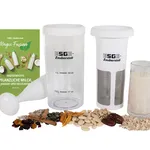
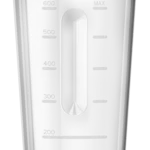
Blender jars are not universally interchangeable in function, despite often appearing similar. Standard wet jars, typically crafted from durable Tritan co-polyester or robust tempered glass, are engineered with specific internal geometries and blade placements optimized for liquids, soft fruits, and general smoothie preparation. Their design promotes a vortex action that continually draws ingredients into the blade path. Conversely, dry grain jars feature distinct blade configurations, often blunter or multi-pronged, positioned to effectively grind hard grains, coffee beans, or spices into fine powders without overheating the motor. Personal-sized jars, usually made from impact-resistant plastics, prioritize portability and single-serving convenience, allowing users to blend directly in a cup that detaches for on-the-go consumption. Vacuum blending jars introduce a pre-blending vacuum seal, reducing oxidation and preserving nutrients and vibrant colors in smoothies and soups, a critical factor for nutrient retention and shelf life.
Advanced Blade Technologies and Maintenance
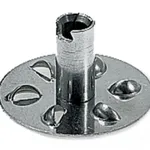
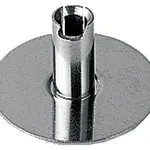
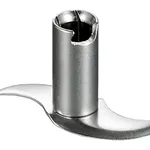
The efficiency of a blender heavily relies on its blade assembly. High-performance blenders often employ surgical-grade stainless steel blades, renowned for their sharpness retention and corrosion resistance. Blade designs vary significantly: cross-blade configurations excel at crushing ice and frozen ingredients, while flat blades are more suited for grinding and milling. Some advanced systems incorporate multi-tier or winged blade assemblies to create more complex blending dynamics, ensuring smoother textures with less effort. Crucially, blade bearings are critical components; ceramic or sealed stainless steel bearings offer superior durability and reduced friction compared to basic plastic alternatives. Regular inspection for dullness, cracks, or bearing play is essential. A worn blade assembly can strain the motor, reduce blending efficacy, and introduce unwanted noise or vibration, necessitating timely replacement for optimal performance.
The Role of Tampers and Specialized Tools
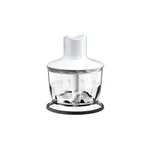
Tampers, or plungers, are indispensable tools for high-powered blending, particularly when processing thick, dense mixtures like nut butters, frozen desserts, or hummus. They are designed to safely push ingredients down towards the spinning blades without making contact, preventing cavitation and air pockets that can stall the blending process. Tampers are typically brand and jar-specific, ensuring correct length and diameter for safe operation through the lid opening. Beyond tampers, a range of specialized attachments exists, transforming a blender into a multi-functional kitchen appliance. These can include food processor bowls with slicing and shredding discs, citrus juicer attachments, or even dough hooks, significantly expanding culinary capabilities without requiring separate large appliances. Selecting the correct, compatible tools is vital for unlocking these extended functionalities and ensuring safety.
Ensuring Longevity Through Proper Cleaning and Storage
Maintaining blender accessories extends their lifespan and ensures hygienic operation. Specialized cleaning brushes are invaluable for reaching crevices around blade assemblies and jar bases, where food particles can accumulate. Dishwasher-safe components simplify cleaning, but specific material considerations apply; for instance, extreme heat can degrade some plastic seals over time. Proper air-drying before storage prevents mold and mildew growth. Storing jars and lids separately, or with slightly ajar lids, promotes air circulation. Regularly checking and replacing worn seals, gaskets, or O-rings is also a critical preventative measure against leaks and cross-contamination. Adhering to manufacturer guidelines for care and storage is paramount for preserving the integrity and performance of your blender accessories over years of use.