

A Technical Deep-Dive into Essential Sandwich Maker Component Replacements
Understanding Core Sandwich Maker Components
Modern sandwich makers, while seemingly simple, rely on a precise interplay of specialized components to achieve their primary function: perfectly toasted sandwiches. When these components wear out or fail, the entire appliance's performance can degrade, leading to uneven cooking, poor sealing, or even electrical safety concerns. Identifying the right replacement part is crucial, extending the life of your appliance and preventing unnecessary e-waste, while ensuring optimal functionality and user safety.
Non-Stick Cooking Plates: The Heat Interface
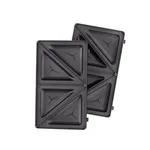
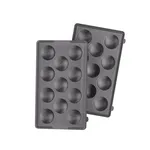
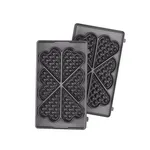
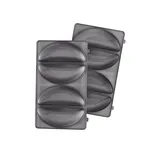
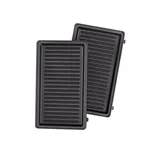
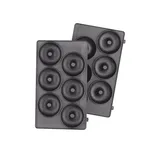
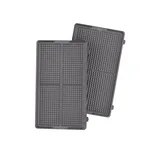
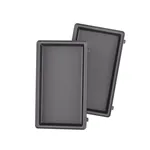
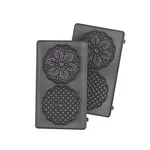
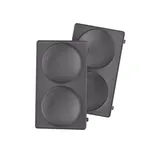
The cooking plates are arguably the most critical component, directly interacting with food. These are typically constructed from robust materials like die-cast aluminum or heavy-gauge steel, often coated with a durable, PFOA-free (and increasingly PTFE-free) non-stick layer. Over time, this coating can scratch, chip, or wear down due to abrasive cleaning or utensil use, leading to food sticking, difficult cleaning, and potential release of non-food-grade particles. When selecting replacement plates, meticulous consideration of the exact dimensions, the method of attachment (fixed, clip-in, or screw-mounted), and the quality and type of the non-stick coating is paramount. Some advanced models offer interchangeable plates for specialized functions like waffles, panini, or grill applications, significantly expanding the appliance's versatility.
Heating Elements and Thermostats: Temperature Regulation
The heating elements, often intricate resistive coils either embedded directly within the cooking plates or positioned beneath them, are responsible for generating the necessary thermal energy. Failures in these elements typically manifest as localized cold spots, insufficient overall heat, or a complete lack of heating whatsoever. Replacing a heating element can be a technically complex task, frequently requiring significant appliance disassembly and a foundational understanding of electrical wiring. Coupled intimately with the heating element is the thermostat, a crucial safety and performance device. The thermostat actively monitors and maintains the desired temperature range, effectively preventing dangerous overheating and ensuring consistently uniform cooking results. A faulty thermostat can lead to sandwiches being inconsistently cooked – either underdone or severely burnt – or even pose a severe fire risk if it fails to appropriately cut off electrical power at extreme temperatures. Common thermostat types include bimetallic strips or sophisticated electronic sensors, and their precise calibration is absolutely paramount for optimal and safe operation.
Latches, Hinges, and Handles: Mechanical Integrity
The mechanical components – including the closing latches, pivotal hinges, and ergonomic handles – are fundamental to ensuring the sandwich maker closes securely and consistently, thereby applying even pressure across the sandwich for proper toasting and sealing. A compromised or broken latch can critically prevent the appliance from closing completely, leading to uneven cooking, significant heat loss, and potential steam or hot oil escape. Worn or damaged hinges can cause severe misalignment between the top and bottom cooking plates, further exacerbating uneven heat distribution and potentially damaging the non-stick surfaces through friction. Handles, typically constructed from high-temperature resistant phenolic plastics or similar insulators, can crack, loosen, or deform over extended periods of use. Replacing these integral mechanical parts restores the essential structural integrity, enhances user safety by preventing direct contact with hot surfaces, and ensures the appliance functions precisely as intended, extending its operational lifespan considerably.