




Technical Guide: Optimizing Your Culinary Workflow with Advanced Food Preparation Tools
Optimizing Your Culinary Workflow with Advanced Food Preparation Tools
The realm of food preparation is continually evolving, driven by innovations in tool design and material science. Modern food preparation tools are not merely aids but sophisticated instruments that empower cooks to achieve professional-level results with greater efficiency and less effort. Understanding the technical specifications and operational principles of these tools is paramount for making informed purchasing decisions and maximizing their utility in diverse kitchen environments. From foundational measurement devices to specialized processing units, each tool plays a critical role in standardizing processes, enhancing food safety, and elevating the sensory experience of prepared meals.
Precision Measurement with Kitchen Scales
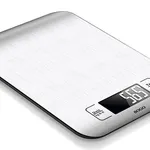
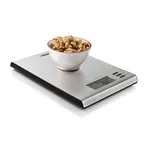
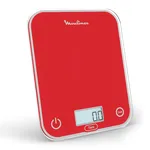
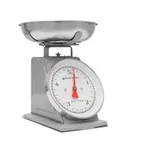
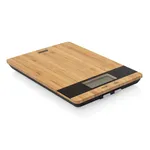
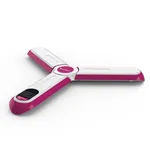
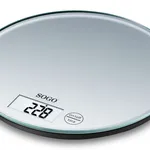
Accurate ingredient measurement is the bedrock of consistent culinary outcomes, particularly in baking and complex recipes. Kitchen Scales are indispensable for achieving this precision. Technically, these devices leverage load cell technology to convert force into an electrical signal, which is then processed to display weight. Key technical considerations include the scale's maximum capacity, measurement increments (e.g., 0.1g, 1g), and tare function, which allows users to reset the scale to zero after placing a container on it. Advanced models may feature multiple unit conversions (grams, ounces, pounds, milliliters), back-lit displays, and even Bluetooth connectivity for recipe integration. The material construction, often stainless steel or tempered glass, influences durability and ease of cleaning, directly impacting hygiene and lifespan in a busy kitchen.
Mastering Surface Treatment with Kitchen Torches
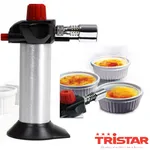
For specific finishing touches, such as caramelizing sugars, browning meringues, or crisping skin, Kitchen Torches provide intense, controllable heat. These handheld devices typically use butane gas and operate by igniting a focused flame via a piezoelectric ignition system. From a technical standpoint, users should evaluate the flame intensity adjustment mechanism, the stability of the base for hands-free operation, and the capacity of the fuel tank for extended use. Safety features are critical, including child-resistant locks and anti-flare technology to ensure consistent flame without dangerous bursts. The ergonomic design and grip are also important for comfortable and safe handling during delicate applications, preventing accidental burns and ensuring precise heat application without overheating surrounding ingredients.
Effortless Preparation with Electric Peelers
Automating repetitive tasks significantly boosts efficiency and reduces physical strain, especially in environments requiring high volume. Electric Peelers exemplify this automation, designed to quickly and safely remove skins from fruits and vegetables. These devices typically employ a rotating blade or a static blade with a rotating platform, powered by an electric motor. Technical aspects to consider include motor power, blade material (often stainless steel for sharpness and corrosion resistance), adjustability for various produce shapes and sizes, and ease of disassembly for thorough cleaning. Models vary from simple countertop units to more sophisticated designs capable of handling irregular produce or performing multiple functions. The efficiency gain is substantial, particularly for large batches, as these peelers can process produce much faster and more uniformly than manual methods, minimizing waste and saving valuable labor time.