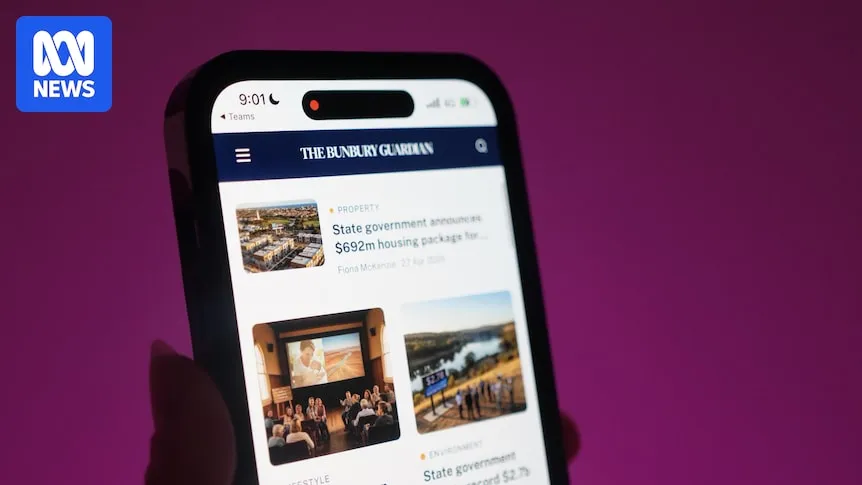
Experts are sounding the alarm over the emergence of "pink slime" journalism in Australia, a phenomenon characterized by AI-generated news outlets posing as legitimate local news sources. These sites, which began appearing in regional Western Australia earlier this year, represent a new frontier in digital misinformation, aiming to attract clicks and advertising revenue, and in some cases, potentially influence public opinion. The term "pink slime" itself is a colloquialism derived from a highly processed meat product, aptly describing the low-quality, mass-produced nature of the content these AI operations generate.
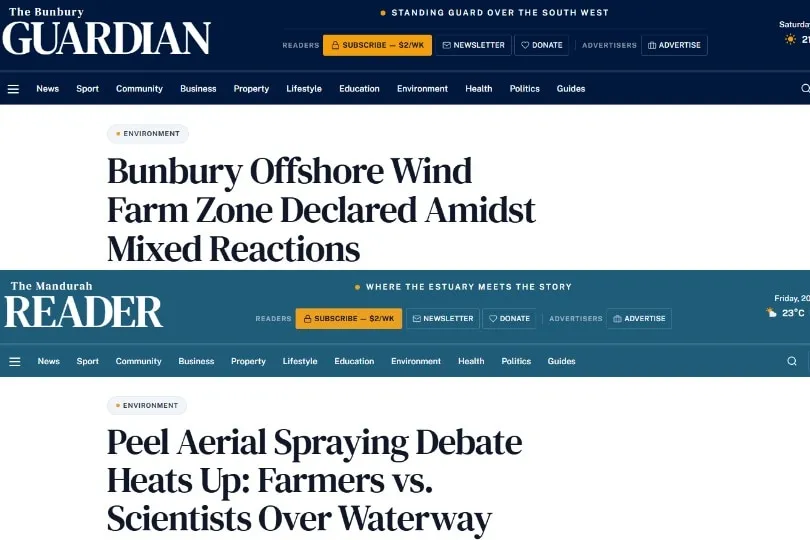
The investigation into these digital mastheads, including The Mandurah Reader, Esperance Enosis, and The Bunbury Guardian, revealed a disturbing trend of content scraping and a lack of transparency. The Bunbury Guardian, for instance, began publishing articles that appeared to be directly lifted from ABC South West WA stories, raising immediate questions about journalistic integrity and ownership. This practice not only misleads readers but also undermines the credibility of genuine local journalism, which is already facing significant challenges.
The Rise of AI-Generated News Sites
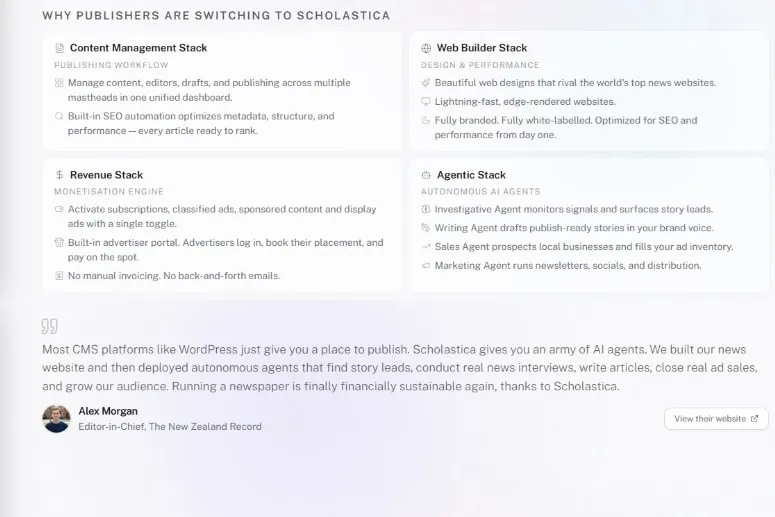
In February of this year, a series of online news sites emerged across regional Western Australia, adopting the familiar format of local mastheads. These outlets, which included The Mandurah Reader and The Bunbury Guardian, claimed to be staffed by experienced local reporters. However, closer examination by the ABC revealed that many of the articles, including those concerning sensitive legal matters, were either AI-generated or directly scraped from other news sources. The sites operated under a parent company named Scholastica, which claimed to use AI to enhance news gathering, but the extent of AI involvement and its oversight quickly became a central concern.
The implications of such operations are far-reaching. Brigid O'Connell, an AI media academic, noted that this is likely the first significant instance of pink-slime journalism in Australia. She expressed particular concern for regional communities, who are often more vulnerable due to the decline of traditional local newspapers. The lack of clear accountability behind these AI-driven sites poses a significant threat to public trust, making it difficult for citizens to discern credible information from fabricated content. The website of The Bunbury Guardian initially stated that AI was used as a tool to enhance news gathering, always under human supervision, but the subsequent actions of the operators suggest a broader agenda.
Targeting Vulnerable Communities and Undermining Truth
Regional communities have historically been the bedrock of local news consumption, often relying on these outlets for essential information. The emergence of pink slime journalism in these areas is particularly troubling because these communities are often the most susceptible to misinformation. With many local newspapers having ceased operations, residents may be more inclined to trust new online sources, unaware of their AI-generated origins and potential biases. Ms. O'Connell highlighted that without knowing the source, agenda, or funding of these news outlets, public participation in societal discourse is significantly hampered.

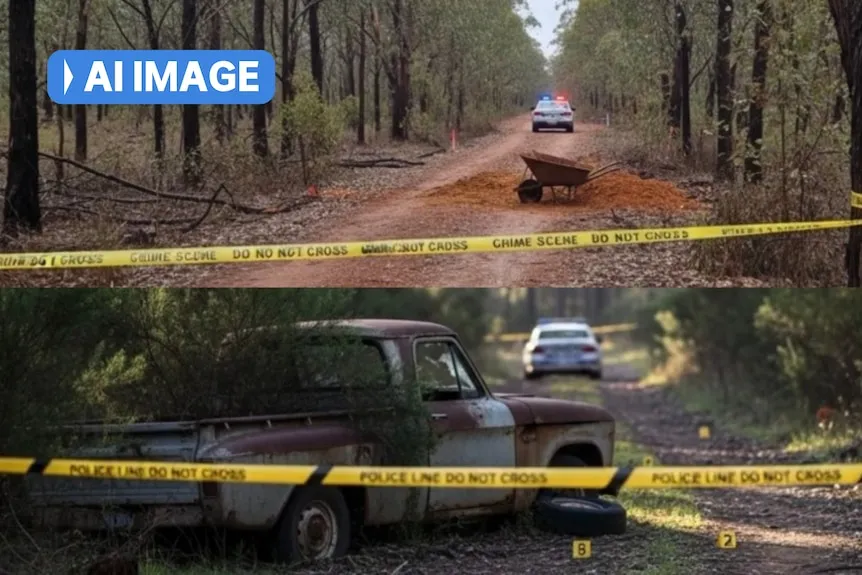
The problematic nature of AI-generated news was further underscored by The Bunbury Guardian's reporting on ongoing court cases. The site published articles accompanied by AI-generated images of crime scenes, a practice that directly conflicts with established journalistic standards for court reporting. Monica Attard, coordinator at the University of Technology Sydney's Centre for Media Transition, emphasized that court reporting must strictly adhere to facts presented in court. The use of AI-generated imagery, which cannot be definitively verified, raises serious questions about its potential to either support or undermine the truth, creating significant issues for the justice system.

The Orchestrator and the Experiment
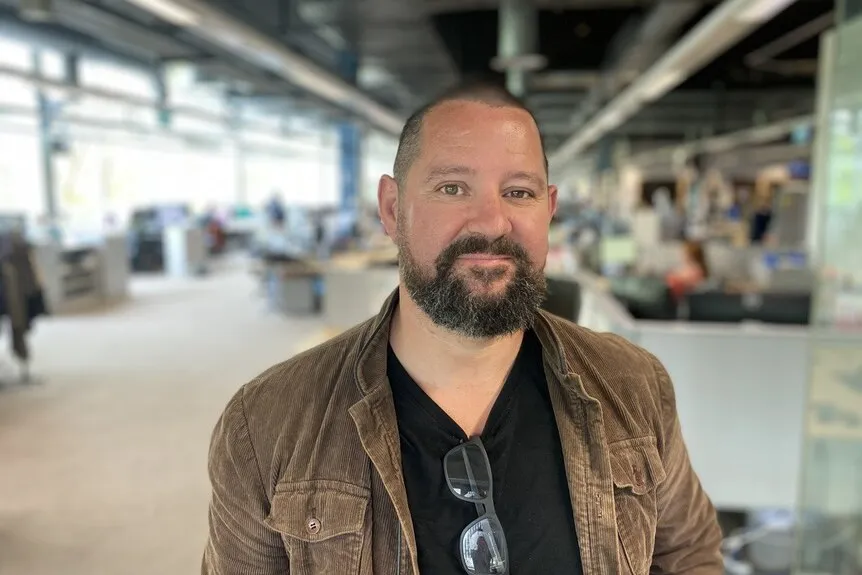
The investigation eventually traced the AI-generated news sites back to Anton Lucanus, identified as a recipient of the New Colombo Scholarship. In a statement following the ABC's inquiries, Mr. Lucanus described the creation of these websites as an "experiment" that had gone awry, acknowledging the need for "guardrails" in AI technology. He claimed the venture was aimed at testing the capabilities of content management systems and AI. The parent company, Scholastica, and the listed editor of The Bunbury Guardian did not respond to requests for comment.

The ownership structure revealed that Mr. Lucanus had used the Australian Business Number (ABN) of Perth-based business Full Body Health Pty Ltd for the domain registration of two of the sites. Full Body Health, however, denied any knowledge or involvement, stating that the use of their ABN was an "administrative error." Mr. Lucanus explained that he had set up a website for Full Body Health in exchange for company shares. Shortly after the ABC's investigation commenced, the AI-generated news mastheads were removed from the internet, and any explicit mentions of AI use were deleted from Scholastica's website, further obscuring the origins and intent behind the operation.


Impact Analysis
The infiltration of "pink slime" journalism into Australia signals a critical juncture for the media landscape. It highlights the urgent need for robust regulatory frameworks and enhanced media literacy initiatives to combat AI-driven disinformation. As AI technology continues to advance, the ability to distinguish between credible journalism and fabricated content will become increasingly paramount for maintaining an informed public and a functioning democracy. The case serves as a stark reminder of the evolving challenges posed by artificial intelligence in the information age and the necessity for proactive measures to preserve the integrity of news dissemination.