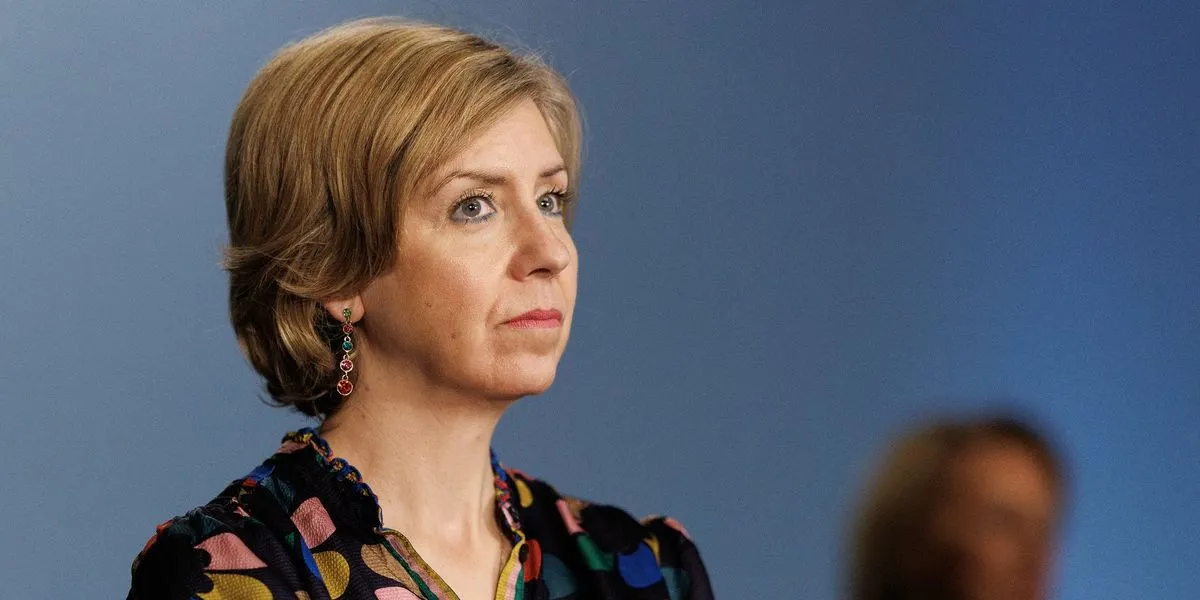
A significant political disagreement erupted during a meeting between regional leaders and a Labour minister when Andrea Jenkyns, the Reform UK Mayor of Greater Lincolnshire, departed early following a dispute concerning the handling of the Henry Nowak murder case. The meeting, intended to discuss the devolution of powers from Westminster, was disrupted when the conversation shifted to social cohesion and the role of social media in exacerbating community tensions, particularly in the wake of Mr. Nowak's death.
Sources indicate that Communities Secretary Steve Reed initiated the discussion by attributing the rise in social division, exemplified by recent disorder in Southampton, to "hostile foreign actors" manipulating social media platforms. He then sought input from the mayors on strategies to enhance social cohesion across the nation. Oliver Coppard, Labour's Mayor of South Yorkshire, reportedly concurred with Mr. Reed's assessment, suggesting that heightened tensions from both right-wing and left-wing demonstrations were unsettling communities.
Disagreement Over Social Media and Free Speech
Jenkyns Confronts "Hypocrisy" and Defends Free Speech
Ms. Jenkyns reportedly challenged the prevailing narrative, particularly the emphasis on social media's role. She allegedly warned that she was about to deliver a "truth bomb" and accused Labour figures of avoiding criticism concerning the Prime Minister's response to the tragedy. A core element of her stance, as reported, was the assertion that genuine social cohesion cannot be achieved without the fundamental principle of free speech.
This stance led to a heated exchange, with Liverpool Mayor Steve Rotheram allegedly accusing Ms. Jenkyns of aligning with the Conservative government that had "ignored families of victims of the Hillsborough disaster." The situation further escalated between West Yorkshire Mayor Tracy Brabin and Ms. Jenkyns. It is claimed that Ms. Jenkyns then muttered a comment under her breath before leaving the meeting, although she has since denied "storming out," characterizing her departure as leaving 15 minutes early due to her inability to tolerate "hypocrisy."
Differing Accounts of the Meeting's Climax
In a statement to The Guardian, Ms. Jenkyns clarified her actions, stating, "The claim that I stormed out is a total exaggeration by a panicked Labour Party clutching at straws ahead of a byelection. I simply left the meeting 15 minutes early because I am not a person who can sit around and listen to hypocrisy." She reiterated her argument that "true social cohesion is impossible without genuine freedom of speech, and that the current obsession with divisive identity politics and two-tier policing is leaving ordinary communities feeling completely unheard." She also emphasized that she "never condoned violence from any community, everyone must be equal under the rule of law."
However, insiders present at the meeting claim the disagreement was more pronounced. They suggest the spat intensified before Ms. Jenkyns's departure, and that her Reform UK colleague, Luke Campbell, remained to conclude the discussions. The incident highlights a deepening divide in political discourse regarding the causes of social unrest and the balance between community safety and individual liberties.
Broader Political Commentary and Reactions
Critiques of Public Figures and "Two-Tier Policing"
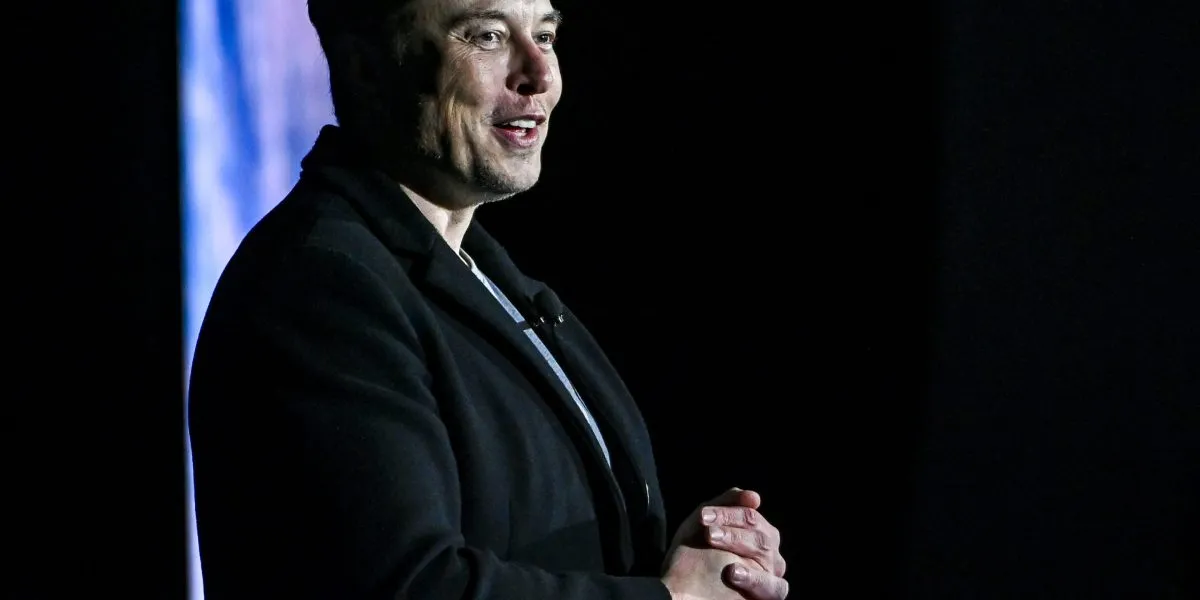
The controversy unfolds against a backdrop of heightened political scrutiny surrounding the Henry Nowak case. Prime Minister Keir Starmer had previously criticized Elon Musk for allegedly "whipping up tensions" through his social media commentary following the murder of the 18-year-old. Starmer also took aim at Reform UK leader Nigel Farage, deeming his call for a response of "pure, cold fury" to the tragedy as disrespectful to Mr. Nowak's family.
Ms. Jenkyns, in her defense, argued against what she perceives as political gamesmanship, stating, "We will not solve the deep divisions in Britain by playing political games with leaked, distorted accounts of private meetings." Her comments implicitly criticize the broader political approach to sensitive cases, suggesting a need for more direct engagement with public sentiment and concerns about "two-tier policing" which she believes leaves communities feeling marginalized.
Government's Stance on Devolution and Social Cohesion
Following the meeting, Mr. Reed commented on the government's commitment to empowering regional leaders, stating, “This Government is serious about shifting power out of Westminster and into the hands of our mayors.” This statement underscores Labour's agenda for decentralization and regional governance. However, the disagreement with Ms. Jenkyns serves as a stark reminder of the ideological differences that persist among political parties regarding how best to address complex social issues and foster national unity.
Impact Analysis
The public disagreement between a Reform UK mayor and a Labour minister over the sensitive Henry Nowak case and the broader issues of social cohesion and free speech could have several implications. Firstly, it risks further polarizing public opinion, particularly as political figures leverage such incidents for partisan advantage. Secondly, it shines a spotlight on the ongoing debate surrounding the regulation of social media and its impact on societal harmony, a topic of increasing concern for policymakers globally. Finally, the incident may influence future discussions on devolution and the balance of power between national and regional governments, particularly concerning how sensitive local issues are addressed at a national level.