

Deep Dive into Camera Screen Protector Technologies
Understanding Material Science: Tempered Glass vs. PET Film
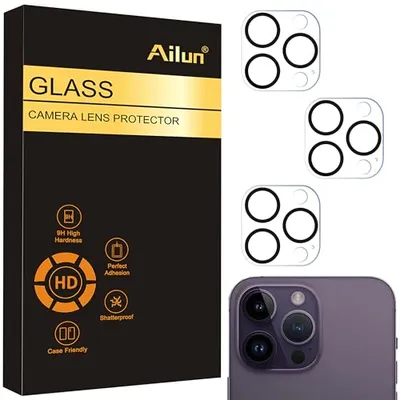
The core of camera screen protector performance lies in its material science. Tempered glass protectors are manufactured through a controlled thermal or chemical process that increases their strength compared to standard glass. This process induces compressive stress on the surface, making it highly resistant to scratches and impact. Typically, these multi-layered structures feature an oleophobic coating on top, followed by the tempered glass layer, an anti-shatter film, and a silicone adhesive base. The anti-shatter film is critical as it holds the glass together in case of extreme impact, preventing dangerous shards.
Conversely, PET film protectors are made from polyethylene terephthalate, a type of polyester. These films are thinner and more flexible, offering a more pliable protective layer. While they don't match the impact resistance of tempered glass, high-grade PET films incorporate multiple layers, including a hard-coated scratch-resistant layer, an optical PET layer, and a silicone adhesive layer. They are particularly valued for their slim profile and ease of application, though their scratch resistance typically falls below the 9H standard of tempered glass.
The Role of Hardness Ratings (e.g., 9H Mohs Scale)
The 9H hardness rating, frequently cited for tempered glass screen protectors, refers to its resistance to scratching on the Mohs scale of mineral hardness. This scale ranges from 1 (talc) to 10 (diamond). A 9H rating indicates that the material can resist scratches from objects with equivalent or lower hardness, such as keys, coins, and even steel blades. This exceptional hardness is a direct result of the chemical strengthening process, where ion exchange at the glass surface creates a layer of high compressive stress. This surface compression acts as a barrier, preventing cracks from propagating and significantly enhancing the protector's durability against daily wear and incidental contact.
It is important to note that while 9H provides excellent scratch resistance, it does not imply invincibility against extreme point impacts or severe bending forces, especially if the underlying screen is not supported adequately.
Optical Performance: Transparency and Anti-Glare Properties
Maintaining the camera display's optical integrity is paramount. High-quality screen protectors boast light transmittance rates often exceeding 95%, ensuring that the original brightness, contrast, and color accuracy of the LCD or OLED screen are unaffected. This is achieved through ultra-clear glass or film substrates with minimal haze. Any significant reduction in light transmission would compromise the user's ability to accurately preview images and navigate menus, which is critical for photography.
Furthermore, many protectors incorporate anti-reflective (AR) coatings. These coatings reduce glare and reflections by using multiple layers of thin films with varying refractive indices. By canceling out reflected light waves, AR coatings improve visibility in bright outdoor conditions, making it easier for photographers to compose shots and review images without visual interference. Some protectors also feature a matte finish for anti-glare, though this can sometimes introduce a slight diffusion or 'sparkle' effect to the display.
Advanced Coatings: Oleophobic, Hydrophobic, and Anti-Reflective
Beyond the core material, the performance of a camera screen protector is significantly enhanced by its specialized surface coatings. Oleophobic (oil-repelling) coatings are crucial for preventing fingerprints, smudges, and oils from adhering to the screen. These coatings are typically fluoropolymer-based and create a low-surface-energy layer that repels oils, making the screen much easier to clean with a simple wipe. This not only maintains visual clarity but also reduces the frequency of cleaning.
Hydrophobic (water-repelling) coatings work similarly to repel water droplets, causing them to bead up and roll off the surface rather than spread and obscure the display. This protection is invaluable in humid environments or light rain. As mentioned, anti-reflective coatings utilize interference principles to reduce surface reflections, thereby increasing effective light transmission and improving screen readability in bright conditions. The combination of these coatings ensures that the camera's display remains pristine and viewable under a wide range of operational conditions, contributing significantly to the overall user experience and longevity of the protector.
Installation and Adhesion Technologies
The effectiveness of a screen protector heavily relies on its proper installation and the quality of its adhesive. Modern protectors utilize advanced silicone-based adhesives that are designed for bubble-free application. This adhesive layer creates an electrostatic bond with the screen, which is strong enough to hold the protector firmly in place but can also be removed cleanly without leaving residue or damaging the display. Precision laser cutting ensures that each protector is perfectly sized for specific camera models, aligning with edges, buttons, and sensors without interference.
A well-engineered adhesive system also prevents dust and moisture from migrating underneath the protector, which could otherwise create air bubbles or compromise optical clarity. Some kits include alignment frames or guiding stickers to simplify the installation process, ensuring precise placement and minimizing the risk of errors. The ability to achieve a seamless, invisible fit is a hallmark of high-quality camera screen protectors, preserving the aesthetic and functional integrity of the camera itself.