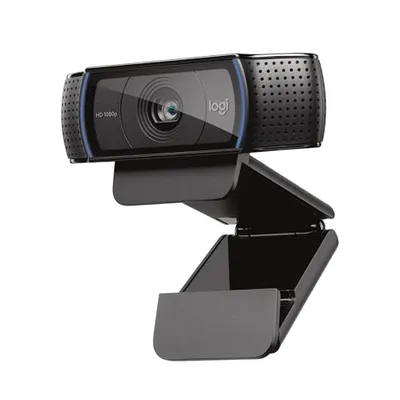
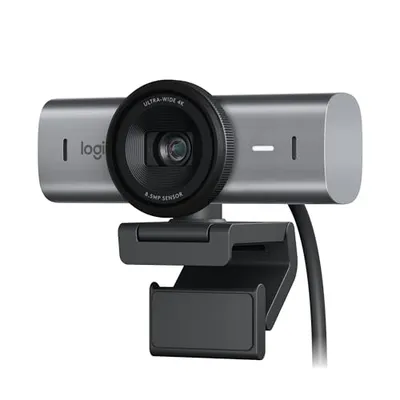

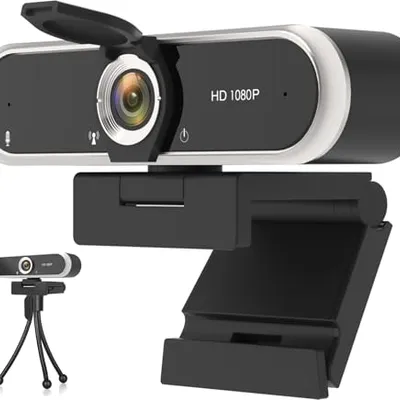
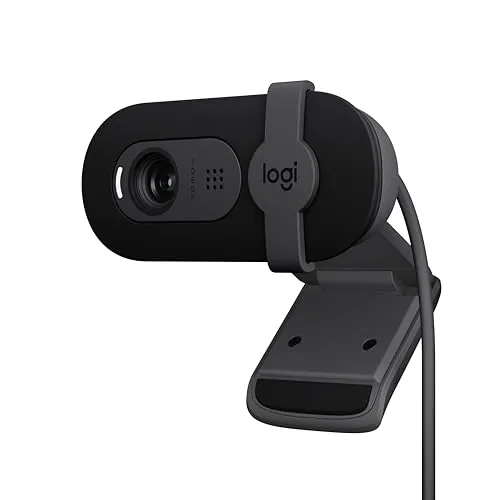







Webcam Models
Understanding Core Principles of A/V Cable Transmission
Audio and video cable performance is fundamentally governed by electrical engineering principles that dictate signal integrity and fidelity. A cable's primary function is to transport electrical signals with minimal loss, distortion, or external interference. Key parameters include impedance, which must be matched between the source, cable, and destination to prevent signal reflections that cause ghosting in video or ringing in audio. For example, standard analog video (composite, component, coaxial SDI) and digital video (HDMI, DisplayPort) typically specify a 75-ohm impedance, while specific audio applications or RF might differ. Capacitance and inductance also play critical roles, affecting high-frequency response and potentially introducing phase shifts that degrade complex waveforms.
Conductor Materials and Construction
The choice of conductor material directly influences a cable's electrical resistance and thus signal attenuation. Oxygen-Free Copper (OFC) is widely used due to its high conductivity and resistance to oxidation, providing a cleaner signal path compared to standard copper. Silver-plated copper (SPC) further enhances high-frequency conductivity due to the "skin effect," where higher frequencies tend to travel along the conductor's surface. Conductor gauge, measured in American Wire Gauge (AWG), inversely relates to conductor diameter; a lower AWG number indicates a thicker wire, offering lower resistance and better performance over longer distances. Stranded conductors, as opposed to solid core, provide greater flexibility and resistance to fatigue, making them suitable for installations requiring bending or frequent manipulation.
Shielding and Interference Mitigation
Effective shielding is paramount for preventing electromagnetic interference (EMI) and radio-frequency interference (RFI) from degrading signal quality. Two primary types of shielding are commonly employed: foil and braid. Foil shielding (typically aluminum Mylar) offers 100% coverage, excelling at blocking high-frequency interference. Braid shielding (often tinned copper) provides lower resistance and is more effective at blocking low-frequency interference and offering mechanical strength. Premium cables often utilize a combination of both (double or triple shielding) to achieve comprehensive protection. Furthermore, twisted-pair configurations, particularly prevalent in balanced audio (XLR) and Ethernet-based A/V (HDBaseT) cables, inherently cancel out induced noise by ensuring that interference affects both wires equally, allowing the differential amplifier at the receiver to reject common-mode noise.
Connector Types and Interface Standards
The connector is the critical interface between the cable and the device, and its quality significantly impacts the overall signal path. Poorly constructed connectors can introduce impedance mismatches, signal loss, or intermittent connections. Gold-plated connectors are preferred not for enhanced conductivity—as gold is only slightly better than copper—but for their superior corrosion resistance, ensuring a stable, low-resistance connection over time. Modern digital video interfaces like HDMI (High-Definition Multimedia Interface) and DisplayPort incorporate complex pin assignments and require precise manufacturing tolerances to support multi-gigabit data rates for 4K and 8K resolutions, including High Dynamic Range (HDR) and various audio formats. Understanding the specific version (e.g., HDMI 2.0, 2.1) is crucial, as each iteration offers increased bandwidth and support for new features. USB-C, with its DisplayPort Alternate Mode (Alt Mode), also serves as a versatile A/V cable, consolidating power, data, and video transmission into a single reversible connector, suitable for modern devices.