


A Technical Deep Dive into Storage Drive Case Engineering and Performance
Understanding Storage Drive Case Categories
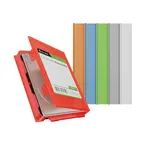
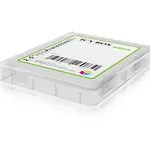
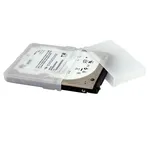
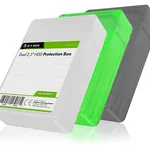
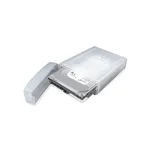
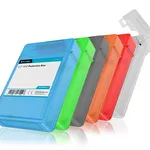
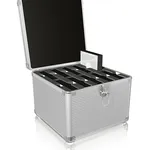
Storage drive cases encompass a broad spectrum of designs, each optimized for distinct applications. Single-bay enclosures are typically designed for individual 2.5-inch SATA HDDs/SSDs or M.2 NVMe/SATA SSDs, focusing on portability and converting an internal drive into an external, high-speed storage solution. These often feature bus-powered operation for convenience. Multi-bay RAID enclosures, on the other hand, are sophisticated desktop units supporting multiple 3.5-inch or 2.5-inch drives, offering advanced data redundancy and performance capabilities through integrated RAID controllers (e.g., RAID 0, 1, 5, 10, JBOD). Bare drive protective cases, distinct from functional enclosures, provide robust physical protection for drives not actively in use, often featuring anti-static foam and ruggedized exteriors for safe archival or transport.
Material Science and Thermal Dissipation
The choice of material significantly impacts a drive case's durability and thermal performance. Aluminum alloys are predominantly used for their excellent heat conductivity, serving as passive heatsinks crucial for dissipating heat generated by high-performance NVMe SSDs or rapidly spinning HDDs. Many M.2 enclosures integrate thermal pads and an aluminum body to directly transfer heat away from the SSD controller. ABS plastic offers a lightweight and cost-effective alternative, suitable for less thermally demanding applications or situations where portability is paramount. Ruggedized cases often combine hard plastics with silicone bumpers to provide superior shock absorption and ingress protection (IP ratings against dust and water) for field use.
Connectivity Standards and Performance
Data transfer speed is a primary differentiator among drive cases. Modern enclosures leverage USB 3.2 Gen 2 (10Gbps) or USB 3.2 Gen 2x2 (20Gbps), and increasingly, Thunderbolt 3 or 4 (40Gbps) for maximum throughput, particularly vital for NVMe SSDs. The bridge chipset within the enclosure plays a critical role in converting the drive's native interface (SATA or PCIe NVMe) to the external USB or Thunderbolt protocol, with UASP (USB Attached SCSI Protocol) support being essential for optimizing performance over USB. External power supplies are frequently required for 3.5-inch HDDs due to their higher power draw, whereas most 2.5-inch drives and M.2 SSDs can be bus-powered via the USB port, simplifying setup and enhancing portability.
Advanced Features and User Experience
Beyond basic functionality, several features enhance the user experience and expand utility. Tool-less designs facilitate quick and easy drive installation and swapping, a significant advantage for IT professionals or enthusiasts. Hot-swapping capabilities allow drives to be inserted or removed without powering down the host system. Multi-bay enclosures often include sophisticated RAID management software or hardware controllers, providing users with options for performance boosting (RAID 0) or data redundancy (RAID 1, 5). Some cases integrate LED indicators for drive activity and health, while others offer write-protection switches for securing sensitive data during diagnostics or transport. These design considerations collectively determine a drive case's suitability for everything from routine data backups to professional-grade content creation workflows.