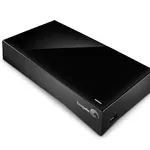
In the evolving landscape of personal data management, the Seagate Personal Cloud 5TB emerges as a compelling solution for users seeking centralized, accessible, and secure storage. This Network Attached Storage (NAS) device aims to bridge the gap between on-premise convenience and cloud-like accessibility, allowing individuals and small households to manage their digital assets effectively. With a substantial 5TB capacity, it readily accommodates vast libraries of photos, videos, music, and important documents, addressing the growing need for robust storage beyond the limitations of individual computers or consumer-grade external drives.
The Seagate Personal Cloud distinguishes itself by offering a private cloud experience without recurring subscription fees. This appeal is amplified by its user-friendly interface and a suite of features designed for seamless remote access and backup. While its core function is straightforward file storage, its integration capabilities and the potential for media streaming position it as a central hub for a connected home. This review will delve into the technical merits and practical implications of the Seagate Personal Cloud 5TB, evaluating its position within the competitive personal cloud storage market.
Understanding the Seagate Personal Cloud 5TB
The Seagate Personal Cloud 5TB is fundamentally a single-bay NAS device engineered for simplicity and ease of use. Its primary advantage lies in providing a centralized location for all your digital content, accessible from any internet-connected device. This eliminates the need to juggle multiple external hard drives or rely solely on public cloud services, which often come with privacy concerns and ongoing costs. The 5TB capacity is significant, offering ample space for extensive media collections and critical backups.
Key Features and Performance
At its heart, the Seagate Personal Cloud focuses on core NAS functionalities: file storage, backup, and remote access. It supports automatic backup for computers on the network, as well as mobile devices via the Seagate Media app. The ability to stream media directly to smart TVs, game consoles, and other DLNA-compatible devices adds considerable value, transforming the NAS into a personal media server. While not designed for high-performance computing tasks or extensive virtualization, its hardware is optimized for its intended purpose of reliable, accessible storage and media serving for the average home user.