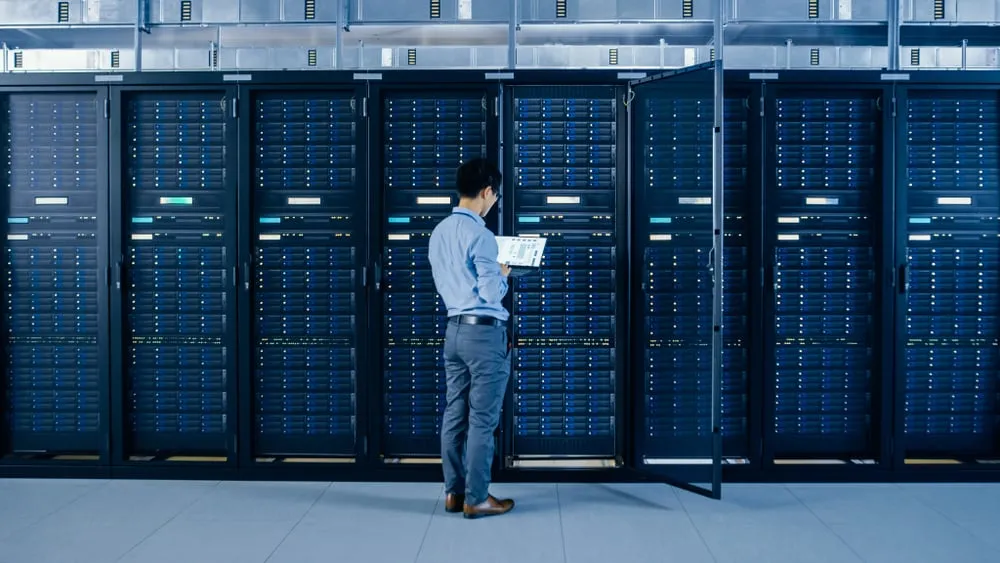
A significant shift towards liquid cooling solutions is poised to redefine the economics of artificial intelligence (AI) infrastructure, according to a recent analysis by a Goldman Sachs analyst. This transition is driven by the immense power consumption of modern AI hardware, particularly GPUs, which generate substantial heat. Traditional air cooling methods are becoming increasingly inadequate and inefficient for these high-performance computing environments. Liquid cooling offers a more effective and potentially far more economical alternative, promising substantial savings on electricity usage.
The core argument suggests that companies adopting liquid cooling technologies could realize electricity savings as much as tenfold compared to current air-cooling systems. While the market for liquid cooling solutions has already seen considerable growth, with related stocks showing an upward trend of approximately 30% this year, the analyst anticipates that the momentum is far from over. This projected surge in demand indicates a significant opportunity for companies specializing in this advanced cooling technology, positioning them for substantial gains as the AI sector continues its rapid expansion and seeks more sustainable, efficient operational methods.
The Strategic Advantage of Liquid Cooling in AI Data Centers
The escalating demand for computational power, fueled by the proliferation of AI and machine learning applications, is placing unprecedented strain on data center infrastructure. High-density computing racks housing powerful processors generate immense heat loads that traditional air-cooling systems struggle to manage effectively. This inefficiency not only leads to suboptimal hardware performance due to thermal throttling but also translates into exorbitant energy costs. Liquid cooling, by directly absorbing heat from critical components and efficiently transferring it away, offers a superior thermal management solution.
This advanced cooling approach allows for higher component densities within server racks, enabling data centers to house more processing power in a smaller footprint. Furthermore, the enhanced thermal stability provided by liquid cooling can lead to increased hardware lifespan and reduced failure rates, contributing to overall operational reliability and cost-effectiveness. As AI workloads become more complex and pervasive, the adoption of liquid cooling is shifting from a niche advantage to a strategic imperative for organizations aiming to maintain a competitive edge in performance and efficiency.
Key Beneficiaries of the Liquid Cooling Surge
Several companies are strategically positioned to capitalize on the burgeoning demand for liquid cooling technologies. One such entity is nVent Electric plc (NYSE: NVT), which has demonstrated remarkable growth in its stock performance over the past year, surging by approximately 165%. This impressive market performance is underpinned by significant operational advancements and strategic acquisitions.
nVent's recent financial reports highlight a substantial increase in revenue, with a 53% jump in the first quarter to $1.2 billion, coupled with a growing backlog exceeding $2.6 billion. A significant portion of this growth is directly attributable to its expanding liquid cooling business segment. The company's strategic integration of acquired technologies, such as CoolIT, is expected to bolster its offerings. CoolIT alone is projected to generate over $550 million in annual revenue and is seen as a crucial addition that complements nVent's existing water and chemistry solutions, enhancing its comprehensive data center infrastructure capabilities.
Technological Advancements and Future Outlook
The evolution of liquid cooling technology involves various approaches, including direct-to-chip cooling and immersion cooling. Direct-to-chip systems involve circulating a coolant through cold plates mounted directly onto high-heat components like CPUs and GPUs, offering precise and efficient heat removal. Immersion cooling, on the other hand, involves submerging entire servers or components in a non-conductive dielectric fluid, providing an even more effective method for dissipating heat from densely packed systems.
As the AI industry continues its exponential growth, the need for robust and energy-efficient cooling solutions will only intensify. Innovations in coolant materials, pump technologies, and heat exchanger designs are continuously improving the efficiency and reliability of liquid cooling systems. The long-term outlook suggests that liquid cooling will become a standard feature in high-performance computing environments, driving further investment and development in the sector and solidifying its critical role in enabling the next generation of AI advancements.
Impact Analysis
The widespread adoption of liquid cooling in AI infrastructure represents a pivotal shift with far-reaching implications. Beyond the direct financial benefits for companies like nVent, it signals a broader trend towards more sustainable and efficient data center operations. This transition is crucial for mitigating the environmental impact of the growing energy demands of AI. Furthermore, the increased processing capabilities enabled by advanced cooling could accelerate breakthroughs in AI research and development, leading to faster innovation across various scientific and technological fields. The market for specialized cooling solutions is expected to expand significantly, creating new opportunities and fostering competition among technology providers.