

Navigating the Evolving Landscape of Mobile Devices
The contemporary mobile device market, often broadly categorized under "Smartphones" due to their ubiquitous connectivity and integrated computing power, encompasses a diverse array of form factors and operating systems. These devices are no longer just for making calls; they are our primary cameras, gaming consoles, personal assistants, and mobile offices. Understanding the nuances between different types of mobile devices is crucial for making an informed decision that aligns with individual needs and workflows.
The Dominance of Ecosystems
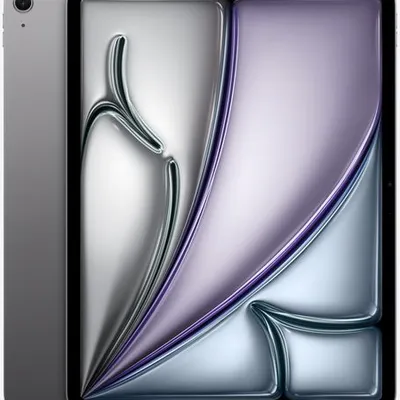
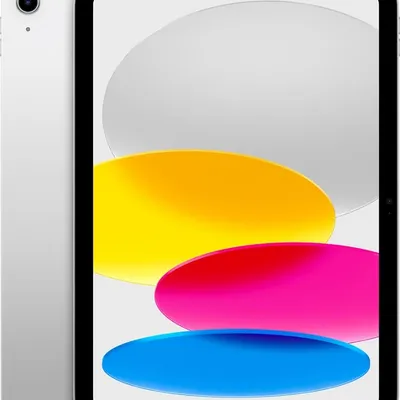
The choice of a mobile device often begins with its underlying operating system and the ecosystem it provides. iOS and Android lead the charge, offering distinct user experiences, app stores, and hardware integrations. Apple's ecosystem, renowned for its seamless integration across devices, offers a range of options beyond just the iPhone. Users deeply embedded in this ecosystem might find themselves drawn to companion devices like the original iPad, a versatile tablet for media consumption and light productivity. For those seeking enhanced portability, the iPad Mini provides a compact yet powerful option, while the iPad Air balances performance and design for a broader user base. Professionals and creatives often gravitate towards the iPad Pro, which, especially when paired with accessories like the Apple Pencil and Magic Keyboard, blurs the lines between a tablet and a laptop, offering desktop-class performance in a portable format.
Beyond Traditional Smartphones: Exploring Diverse Form Factors
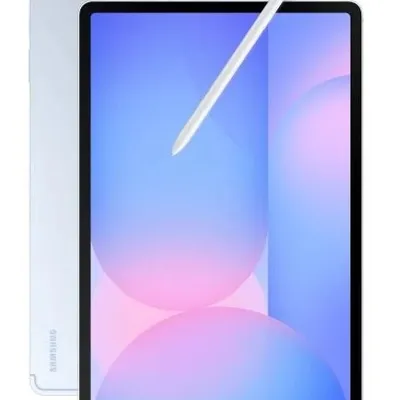
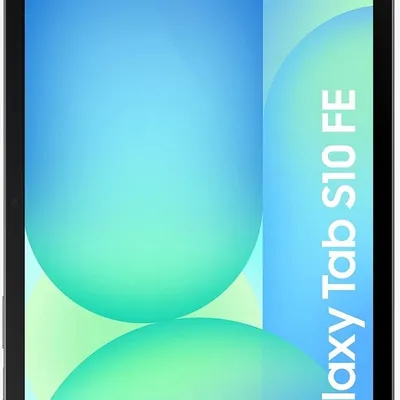
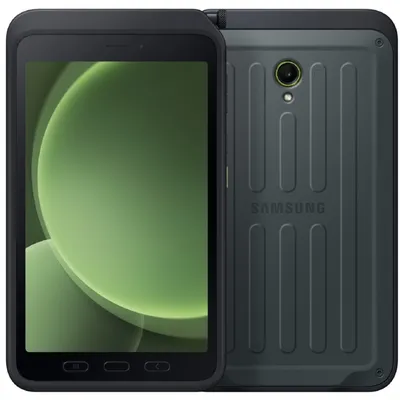
While pocket-sized smartphones remain the most common iteration of mobile computing, the market continues to innovate with various form factors. These include larger-screen devices that lean into tablet territory, or those designed for specific productivity tasks. For users requiring the familiarity of a desktop operating system on a mobile platform, Windows Tablets offer a compelling alternative. These devices often run full versions of Windows, providing compatibility with a vast library of existing software and peripherals, making them ideal for business users or those who need to switch seamlessly between touch-based interactions and traditional mouse-and-keyboard input. Their capabilities range from basic web browsing and document editing to more demanding tasks, depending on the specifications. The evolution of mobile processors and display technologies ensures that even these more specialized devices deliver robust performance and impressive visual fidelity, catering to a spectrum of user requirements from entertainment to enterprise solutions.
The convergence of features across different mobile device categories means that what was once a distinct smartphone is now part of a broader family of connected, intelligent devices. Whether prioritizing raw processing power, screen real estate, battery longevity, or a specific operating system experience, the market offers a tailored solution. The decision hinges on how the device integrates into one's daily life, supporting communication, creativity, and productivity in equal measure.