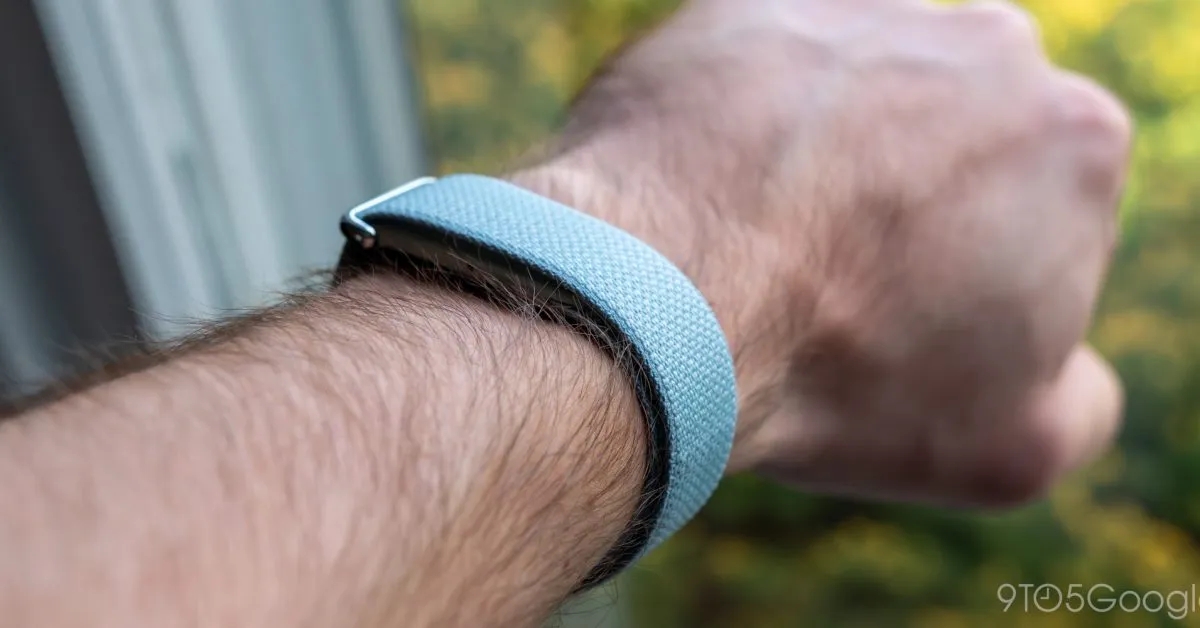
Smart Wristband

Technical specifications, key pros & cons, and real-time price comparison of 57 Smart Wristband models.

Filters
Brand
Price Range
Up to
User Rating
Sort by:
0.0
(1)
32.99 $
  • Equivalent Name
    -
  • GPU Model
    -
  • Internal Memory Capacity
    -
  • Bluetooth Support
    -
  • Size and Dimensions
    12.8 x 32 mm
  • Introduction Time
    Announced October 2015
32.99 $
0.0
(1)
5.0
(3)
264.99 $
  • Equivalent Name
    -
  • GPU Model
    -
  • Internal Memory Capacity
    -
  • Bluetooth Support
    Yes
  • Size and Dimensions
    -
  • Introduction Time
    Available, released to market
264.99 $
5.0
(3)
5.0
(17)
  • Equivalent Name
    -
  • GPU Model
    -
  • Internal Memory Capacity
    48MB with 4MB RAM
  • Bluetooth Support
    -
  • Size and Dimensions
    43 x 27.88 x 9.49 mm
  • Introduction Time
    March 18, 2024
5.0
(17)
5.0
(3)
  • Equivalent Name
    -
  • GPU Model
    -
  • Internal Memory Capacity
    16MB, 512KB RAM
  • Bluetooth Support
    -
  • Size and Dimensions
    Unspecified / Not specified
  • Introduction Time
    2019, June
5.0
(3)
5.0
(4)
  • Equivalent Name
    -
  • GPU Model
    -
  • Internal Memory Capacity
    -
  • Bluetooth Support
    -
  • Size and Dimensions
    43.45 x 24.86 x 8.99 mm
  • Introduction Time
    March 2024
5.0
(4)
5.0
(2)
  • Equivalent Name
    -
  • GPU Model
    -
  • Internal Memory Capacity
    1MB ROM / 384KB RAM / 32MB flash memory
  • Bluetooth Support
    -
  • Size and Dimensions
    56 * 18.5 * 12.5 millimeter (mm)
  • Introduction Time
    2019, October
5.0
(2)
0.0
(1)
  • Equivalent Name
    -
  • GPU Model
    -
  • Internal Memory Capacity
    -
  • Bluetooth Support
    -
  • Size and Dimensions
    15.7 x 10.5 mm
  • Introduction Time
    June 2016
0.0
(1)
0.0
(1)
  • Equivalent Name
    -
  • GPU Model
    -
  • Internal Memory Capacity
    -
  • Bluetooth Support
    -
  • Size and Dimensions
    49.9 x 38.7 x 11.7 mm
  • Introduction Time
    -
0.0
(1)
0.0
(1)
  • Equivalent Name
    -
  • GPU Model
    -
  • Internal Memory Capacity
    -
  • Bluetooth Support
    -
  • Size and Dimensions
    17.9 x 46.9 x 12 mm
  • Introduction Time
    June 2018
0.0
(1)
5.0
(1)
  • Equivalent Name
    -
  • GPU Model
    -
  • Internal Memory Capacity
    -
  • Bluetooth Support
    Bluetooth 5.0
  • Size and Dimensions
    11.4 * 22 * 45.3 millimeter (mm)
  • Introduction Time
    2020, April
5.0
(1)
0.0
(1)
  • Equivalent Name
    -
  • GPU Model
    -
  • Internal Memory Capacity
    -
  • Bluetooth Support
    -
  • Size and Dimensions
    14 x 9 mm
  • Introduction Time
    July 2014
0.0
(1)
5.0
(3)
  • Equivalent Name
    -
  • GPU Model
    -
  • Internal Memory Capacity
    -
  • Bluetooth Support
    -
  • Size and Dimensions
    45.7 x 45.7 x 12.1 mm
  • Introduction Time
    -
5.0
(3)
0.0
(1)
  • Equivalent Name
    -
  • GPU Model
    -
  • Internal Memory Capacity
    -
  • Bluetooth Support
    -
  • Size and Dimensions
    -
  • Introduction Time
    -
0.0
(1)
0.0
(1)
  • Equivalent Name
    -
  • GPU Model
    -
  • Internal Memory Capacity
    -
  • Bluetooth Support
    Yes. Version 5.0
  • Size and Dimensions
    43 * 17.2 * 11.5 millimeter (mm)
  • Introduction Time
    2019, December
0.0
(1)
5.0
(7)
  • Equivalent Name
    -
  • GPU Model
    -
  • Internal Memory Capacity
    -
  • Bluetooth Support
    Yes, Version 5.3
  • Size and Dimensions
    48.3 x 39 x 11.4 mm
  • Introduction Time
    -
5.0
(7)
0.0
(1)
  • Equivalent Name
    -
  • GPU Model
    -
  • Internal Memory Capacity
    -
  • Bluetooth Support
    Yes, Version 5.1
  • Size and Dimensions
    45.2 x 37.2 x 10.4 mm
  • Introduction Time
    -
0.0
(1)
5.0
(1)
  • Equivalent Name
    -
  • GPU Model
    -
  • Internal Memory Capacity
    -
  • Bluetooth Support
    -
  • Size and Dimensions
    44.35 x 26 x 9.99 mm
  • Introduction Time
    -
5.0
(1)
0.0
(1)
  • Equivalent Name
    -
  • GPU Model
    -
  • Internal Memory Capacity
    -
  • Bluetooth Support
    Bluetooth Version 4.2
  • Size and Dimensions
    243x17.2x11.5 millimeter (mm)
  • Introduction Time
    -
0.0
(1)
0.0
(1)
  • Equivalent Name
    -
  • GPU Model
    -
  • Internal Memory Capacity
    -
  • Bluetooth Support
    Yes, Version 5
  • Size and Dimensions
    11.5 * 36 * 48 millimeter (mm)
  • Introduction Time
    -
0.0
(1)
5.0
(5)
  • Equivalent Name
    -
  • GPU Model
    -
  • Internal Memory Capacity
    256MB with 16MB RAM
  • Bluetooth Support
    Yes, Version 5.3
  • Size and Dimensions
    42.9 x 28.8 x 9.9 mm
  • Introduction Time
    February 2024
5.0
(5)

A Technical Deep-Dive into Smart Wristband Technology and Applications

Understanding the Smart Wristband Ecosystem

The smart wristband category encompasses a broad spectrum of wearable devices designed to augment personal health management and digital interaction. At its core, a smart wristband integrates microcontrollers, an array of sensors, and communication modules into a compact form factor worn on the wrist. These devices continuously collect data, process it, and often sync it wirelessly to a companion application on a smartphone or a cloud-based platform for detailed analysis and presentation.

Core Functionalities and Technical Underpinnings

Modern smart wristbands leverage sophisticated sensor arrays to perform their primary functions. Optical heart rate sensors, typically employing photoplethysmography (PPG), measure changes in blood volume to estimate heart rate and often blood oxygen saturation (SpO2). Accelerometers and gyroscopes track movement, enabling features like step counting, sleep stage detection, and automatic workout recognition. Some advanced models include electrodermal activity (EDA) sensors for stress monitoring, skin temperature sensors, and even electrocardiogram (ECG) capabilities for more precise heart health insights. Connectivity is predominantly handled via Bluetooth Low Energy (BLE) for efficient data transfer to mobile devices, while NFC modules enable contactless payments in supported models. Displays vary from simple monochrome LCDs to vibrant OLED or AMOLED panels, providing immediate access to metrics and notifications.

Differentiating Factors and Subcategory Specializations

While the broad category of Smart Wristbands offers versatile solutions, specific needs are often met by specialized devices. For those primarily focused on health and exercise data, Fitness Trackers represent a core subcategory, emphasizing metrics like step counting, calorie burn, sleep analysis, and workout tracking with detailed performance analytics. These devices prioritize robustness, battery efficiency, and sometimes include integrated GPS for outdoor activity mapping without a phone.

Conversely, the innovation extends to more discreet form factors like Smart Rings, which, while not traditional wristbands, share the core principle of wearable technology for health monitoring and smart interactions. Smart Rings often focus on advanced biometrics, offering sleep tracking, heart rate variability, and activity monitoring in a minimalist design that appeals to users seeking unobtrusive technology. Their compact size presents unique engineering challenges, particularly regarding battery life and sensor placement.

Beyond these, hybrid smart wristbands blend traditional analog watch aesthetics with discreet smart features, offering a different balance of style and technology. The common thread across all these variations is the goal of providing continuous, passive data collection to empower users with insights into their physical state and daily routines.

Software Ecosystem and Data Integration

The true power of a smart wristband is often unlocked through its accompanying software ecosystem. Proprietary mobile applications serve as the primary interface for users to view their data, customize settings, and interact with the device. These apps typically provide detailed graphs, historical data trends, and personalized insights based on collected metrics. Many platforms also offer social sharing features, challenge modes, and integration with third-party health and fitness applications (e.g., Apple Health, Google Fit, Strava) via APIs, creating a more comprehensive health data hub. The robust cloud infrastructure supporting these ecosystems ensures data synchronization across devices and provides the computational power for advanced analytical algorithms, including AI-driven insights for predicting health trends or suggesting interventions.