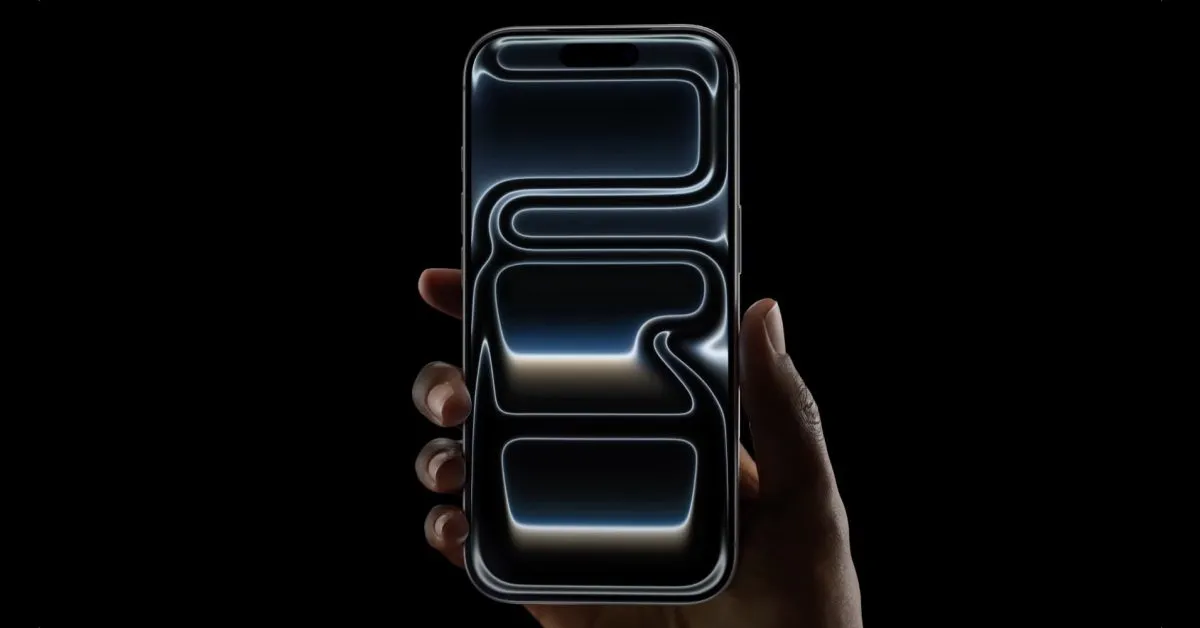
The upcoming iPhone 18 Pro and Pro Max models are anticipated to retain the established 6.3-inch and 6.9-inch display dimensions, mirroring their predecessors. However, recent industry reports suggest a significant technological leap for their screens, centering on an enhanced display panel architecture designed to boost both power efficiency and the performance of Always-On display capabilities.
This potential upgrade signifies a refinement of Apple's commitment to display innovation, a core component of the iPhone user experience. While screen sizes may remain consistent, the underlying technology aims to deliver a more optimized and visually refined interaction, particularly concerning power consumption and dynamic display features. The focus on improving these aspects underscores Apple's continuous effort to balance cutting-edge features with practical battery life considerations.
Advancements in iPhone 18 Pro Display Technology
Industry analysts and supply chain leaks point towards Apple's adoption of LTPO+ technology for the OLED panels in the iPhone 18 Pro and Pro Max. This advanced iteration builds upon the existing Low-Temperature Polycrystalline Oxide (LTPO) technology, which has been instrumental in enabling features like the Always-On Display by allowing for dynamic adjustment of screen refresh rates. The LTPO+ variant is expected to extend the application of oxide materials within the Thin-Film Transistor (TFT) layers, reaching not only switching TFTs but also driving TFTs.
This extended use of oxide materials is crucial for enabling finer control over the electrical current that drives OLED light emission. Consequently, the display can achieve more sophisticated optimization based on ambient conditions and user interaction patterns. This enhanced control mechanism is directly linked to improvements in power efficiency, allowing the display to consume less energy even when operating dynamically. Samsung and LG are reportedly slated to be the primary manufacturers for these advanced panels, having met Apple's stringent quality benchmarks. Notably, BOE, a key supplier for previous models, is said to have been unable to meet the new LTPO+ specifications for this generation of iPhones.
Enhanced Power Efficiency and Battery Life
A primary benefit anticipated from the transition to LTPO+ technology is a marked improvement in power efficiency. By enabling more granular control over the OLED pixels and their refresh rates, the display system can intelligently scale power consumption. This means that during periods of low activity or when displaying static content, the display can operate at significantly lower power levels without compromising visual quality. This optimization is particularly relevant for features like the Always-On Display, which requires the screen to be active constantly at a low power state.
The continuous monitoring of surrounding conditions and user environments allows the LTPO+ system to make real-time adjustments to display parameters, minimizing wasted energy. This will translate into tangible benefits for users in the form of extended battery life. In an era where device longevity on a single charge is a critical factor for consumer satisfaction, this display-centric power saving measure represents a significant step forward in maximizing the usability of the iPhone 18 Pro and Pro Max throughout the day.
Improved Low-Light Performance and Visual Fidelity
Beyond power savings, the LTPO+ technology is also expected to enhance the visual performance of the iPhone 18 Pro displays, particularly in challenging lighting conditions. The finer current control provided by the advanced TFT architecture can lead to more precise and consistent light emission from the OLED panels. This increased precision is particularly beneficial in low-light scenarios, where conventional displays might exhibit increased noise, flickering, or a less uniform appearance.
By optimizing how each pixel is driven, LTPO+ aims to reduce these visual artifacts, resulting in a cleaner, sharper, and more stable image, even when viewing content in dimly lit environments. This could mean a reduction in the noticeable graininess or subtle pulsations that can sometimes detract from the viewing experience. The goal is to provide a consistently smooth and high-fidelity visual output across a wide range of operational conditions, reinforcing the iPhone's reputation for superior display quality.
Impact Analysis
The integration of LTPO+ technology into the iPhone 18 Pro and Pro Max represents a significant, albeit iterative, advancement in mobile display technology. For consumers, the direct benefits are expected to be a noticeable improvement in battery longevity and a more refined visual experience, especially in variable lighting conditions. This aligns with market trends that increasingly prioritize power efficiency and display quality in premium smartphones. From a hardware perspective, this move indicates a continued reliance on key display manufacturing partners like Samsung and LG, while also setting a higher technological bar for component suppliers. It reaffirms Apple's strategy of leveraging specific display advancements to differentiate its flagship models and enhance the overall user experience, further solidifying its position in a highly competitive market.