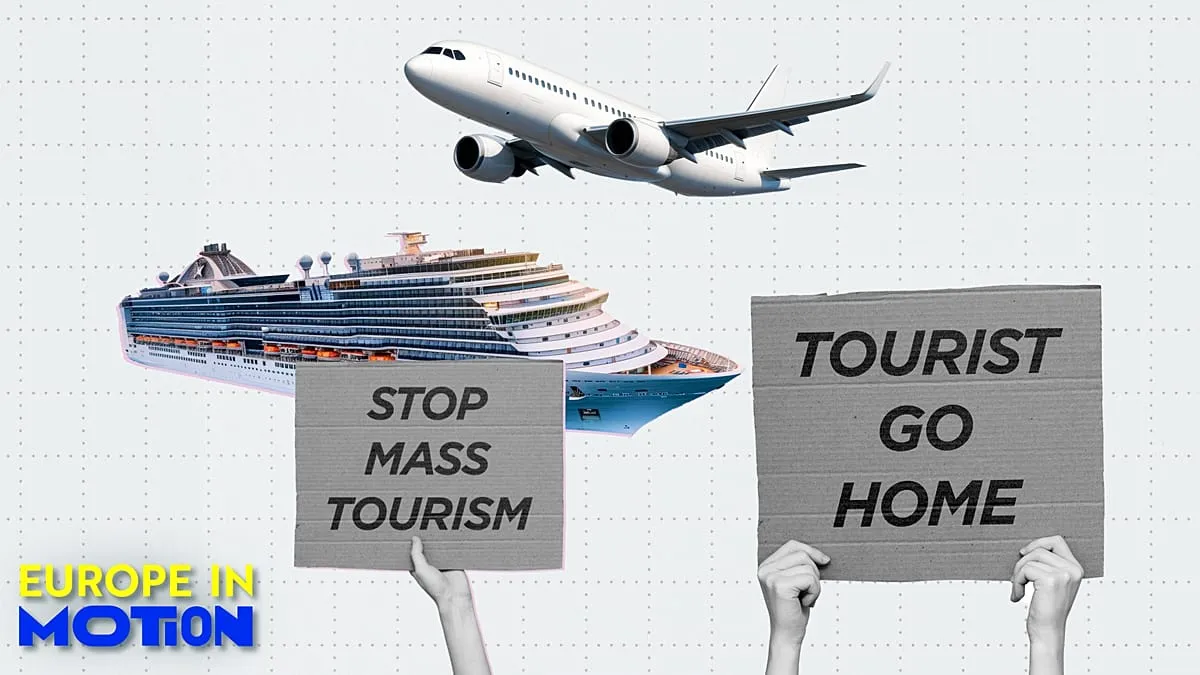
As the summer season approaches, a growing number of European destinations are experiencing a significant backlash against the mounting pressures of mass tourism. While tourism remains a vital economic engine for many countries within the European Union, the surge in visitors has amplified concerns among local communities regarding housing accessibility and escalating living costs. This phenomenon, often termed 'overtourism,' is particularly pronounced in prominent tourist hotspots, leading to increased friction between visitors and residents.
A recent study by digital entertainment platform JB.com highlights Spain, Italy, and France as the leading European nations where anti-tourism sentiment is most intense. These countries, renowned for their rich cultural heritage and scenic landscapes, are now confronting the unintended consequences of their popularity. Official statistics underscore the scale of the challenge, with Spain anticipating a substantial increase in international tourist arrivals. Projections indicate a 3.4% rise in tourist numbers for the first four months of 2026, and an expected 7.1% surge in international flight passenger traffic for June alone compared to the previous year, as reported by the Spanish Ministry of Tourism. Similarly, Italy and France are poised for significant increases in visitor numbers during June, with projections suggesting a 12% rise for Italy and 2.6% for France when compared to June 2025 figures.
Overtourism Intensifies in Southern Europe
The JB.com study, which examined protest intensity, media coverage, tourist tax rates, and visitor-to-resident ratios across 30 global destinations, positions Spain at the forefront of this anti-tourism movement. The nation has witnessed protests in over 40 cities, spanning from the bustling metropolis of Barcelona to the popular archipelago of the Canary Islands. Catalonia, the autonomous community that includes Barcelona, welcomed approximately 20.1 million tourists in 2025, a slight increase from the year prior. This influx has fueled resident discontent, with manifestations like those seen in Barcelona last June, where protesters voiced their opposition with signs reading "Tourism is killing Barcelona."
Italy is experiencing similar challenges, particularly in iconic cities such as Venice, Rome, and Florence. Reports indicate that activists have resorted to measures like sabotaging key boxes used by short-term rental property owners, signaling deep frustration over the scarcity of affordable housing for locals. In an attempt to manage the crowds, Venice has reinstated a day-tripper fee for specific weekends in April, May, June, and July. France, too, is not immune, with nationwide protests occurring in cities like Marseille, Nice, and Paris. Growing activism against the impact of cruise ships further illustrates the widespread resident resistance emerging in both mainland and coastal European destinations.
Contrasting Destinations: Welcoming Tourism
In stark contrast to the growing resistance seen in Western Europe, countries like Cyprus and Albania are identified by the JB.com study as being among the most welcoming to tourists in Europe. These nations have reportedly experienced minimal documented anti-tourism protests and less regulatory pressure on visitors, suggesting a different approach to managing the balance between tourism revenue and resident well-being.
The underlying issue stems from the substantial economic dependence on tourism, which, without careful management, can lead to an unsustainable strain on local resources, infrastructure, and social fabric. The increasing prevalence of short-term rental platforms has exacerbated housing shortages in many popular cities, driving up rental costs and displacing local populations. This economic disparity and the perceived loss of cultural identity contribute significantly to the rising anti-tourism sentiment.
Regulatory Responses and Future Outlook
European governments are increasingly exploring and implementing measures to mitigate the adverse effects of overtourism. These strategies range from implementing tourist taxes and limiting visitor numbers on certain days or in specific areas, to stricter regulations on short-term rental properties. The focus is shifting towards a more sustainable tourism model that prioritizes the quality of the visitor experience and the well-being of local communities over sheer volume.
The future of tourism in Europe will likely involve a more nuanced approach, balancing the economic benefits with the social and environmental costs. Destinations that successfully manage this delicate equilibrium will likely foster a more positive and sustainable relationship with both their residents and their visitors. The trend indicates a move away from unchecked growth towards more responsible and community-oriented tourism practices across the continent.