The upcoming 2026 FIFA World Cup, jointly hosted by the United States, Canada, and Mexico, is already encountering logistical hurdles. Swiss national team forward Breel Embolo has found his entry into the United States unexpectedly complicated, just days before the tournament's commencement. This situation has brought to light the intricacies of international travel regulations for athletes participating in major global events.
While the global football community prepares for the spectacle, Embolo's travel authorization, initially approved, was placed under further review by US authorities. This unexpected development has created uncertainty for the Swiss team as they finalize their preparations and travel arrangements. The incident underscores the importance of diligent adherence to immigration and travel protocols, even for individuals with prior approvals.
US Travel Regulations and the World Cup
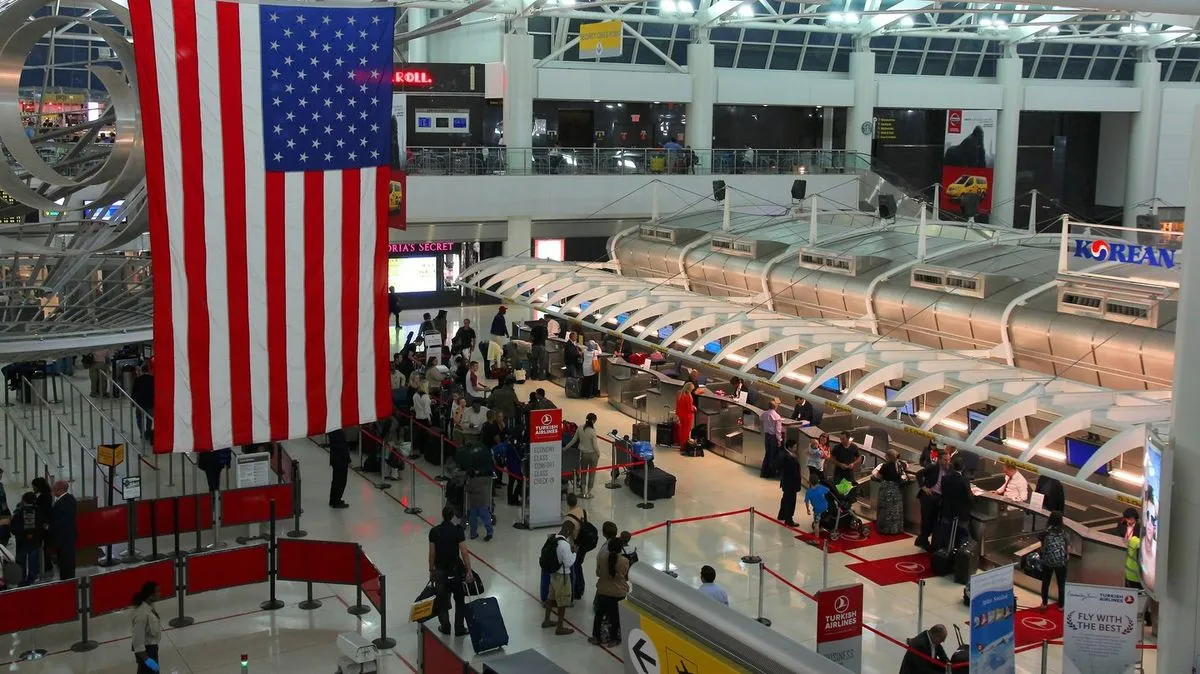
The World Cup's multi-nation hosting model necessitates seamless travel for all participating teams and staff. For the US leg of the tournament, travelers from specific countries may enter under the Visa Waiver Program (VWP), which allows entry for up to 90 days for tourism purposes via the Electronic System for Travel Authorization (ESTA). This system aims to streamline entry for eligible visitors. However, eligibility criteria can change, and it is imperative for travelers to consult the latest information from official sources.
For individuals not eligible for the VWP, a B1/B2 Visitor Visa is required. The process for obtaining this visa can be lengthy, with appointment wait times varying significantly, sometimes extending to over a year. Travelers must factor these potential delays into their planning. FIFA has also introduced a 'FIFA Pass,' a priority-scheduling tool for individuals who purchased World Cup tickets directly through official channels, potentially expediting B1/B2 visa appointments for ticket holders. 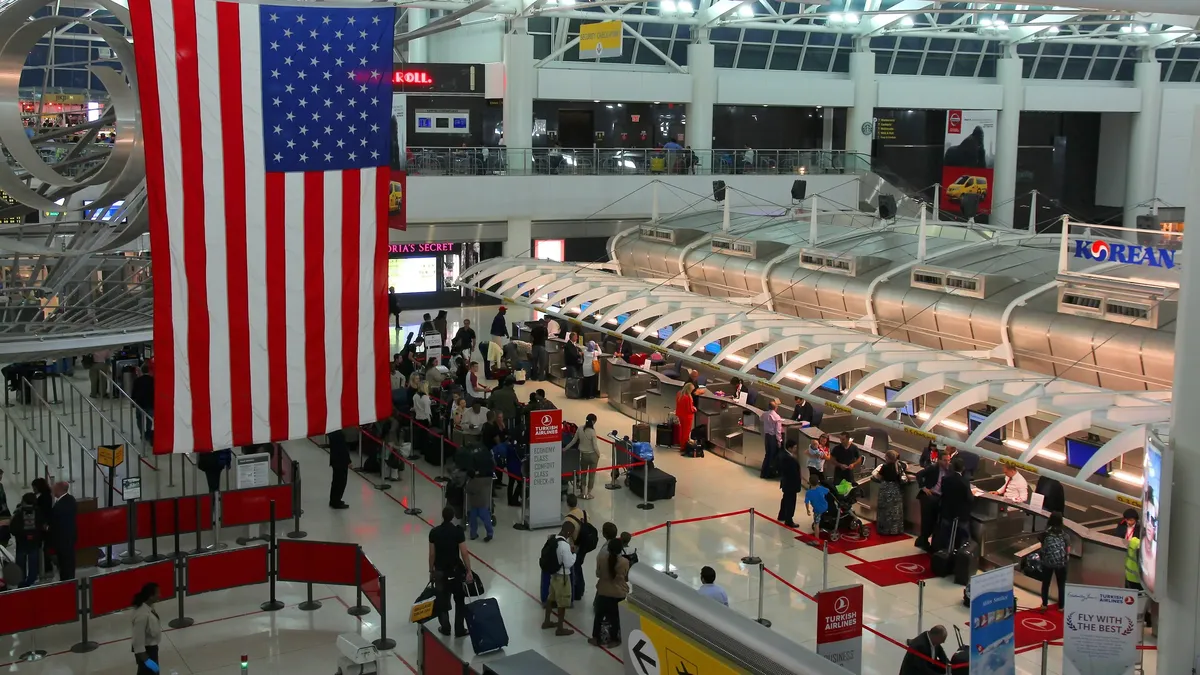
Understanding ESTA and Visa Requirements
The Electronic System for Travel Authorization (ESTA) is an online application system that determines eligibility to travel to the United States under the Visa Waiver Program. An ESTA authorization is typically valid for two years, allowing for multiple entries into the US for tourism or business. However, as seen in Embolo's case, an approved ESTA can be subject to review or revocation if new information or concerns arise.
It is crucial for applicants to provide accurate and complete information during the ESTA application process. Any discrepancies or changes in circumstances could lead to the application being flagged for further review. The US Department of State and the Department of Homeland Security are responsible for assessing these applications, and their decisions are generally final. For the World Cup, ensuring the validity and approval status of ESTA or obtaining the necessary visa well in advance is paramount. 
Impact of Immigration Policies on Athletes
Recent years have seen shifts in US immigration policies, including enhanced scrutiny for individuals traveling from certain countries. While Embolo's situation is specific and the reasons for his ESTA review remain unclear, it is worth noting that certain countries have faced travel restrictions or suspensions. These measures can impact athletes, artists, and other professionals seeking to enter the US for events.
The Swiss federation confirmed they were in contact with the relevant authorities, hoping for a swift resolution that would allow Embolo to join his teammates. This incident highlights a broader challenge: balancing national security interests with the facilitation of international cultural and sporting exchanges. The specific travel suspensions, which have affected countries like Iran, Haiti, Ivory Coast, and Senegal, do not directly apply to Switzerland or Embolo's birthplace, Cameroon, adding a layer of mystery to his case. 
Broader Travel Considerations for the 2026 World Cup
With three host nations, the 2026 World Cup presents a unique set of cross-border travel considerations. Travelers should be aware of the specific entry requirements for each country and any potential visa or ESTA implications. For the United States, understanding the nuances of the VWP, ESTA, and the B1/B2 visa process is essential.
The incident involving Breel Embolo serves as a stark reminder that even minor issues with travel documents or authorizations can have significant consequences, particularly when time-sensitive events are involved. All participants, from star athletes to casual fans, must ensure their travel documentation is in order and comply with the immigration regulations of the host countries.