Bournemouth, a popular holiday resort town, is exploring the implementation of a tourist tax as a potential measure to fund efforts in managing the impacts of anti-social behavior and maintain its coastal amenities. Local authorities are seeking government approval to impose a levy on hotels and bed and breakfast establishments. The proposal aims to generate additional revenue that would be specifically allocated to enhancing the management of the town's beaches and seafront, particularly during peak visitor periods. This includes funding for increased numbers of seafront rangers and resources for waste management and litter cleanup operations.
The initiative comes in response to growing concerns among local residents regarding the perceived degradation of the town's character, attributed by some to an increase in migrant populations, teenage gangs, and issues related to drug use. These sentiments have, in some instances, led to protests outside hotels accommodating migrants. Interestingly, some asylum seekers themselves have reportedly expressed a desire to return to their home countries, indicating a complex social dynamic within the town.
Proposed Tourist Levy Details and Rationale
If the Liberal Democrat-run council secures the necessary government authorization, the proposed tourist tax would amount to approximately £2 per person per night. This would translate to an additional £56 for a family of four undertaking a week-long holiday. The council's leadership, represented by Millie Earl, the leader of Bournemouth, Christchurch and Poole Council, has emphasized that while the town welcomes the vast majority of visitors who respect the area, a small minority engage in disorder and crime. Earl stated that such a tax is permissible in other locales and argued for its fairness in Bournemouth's context.
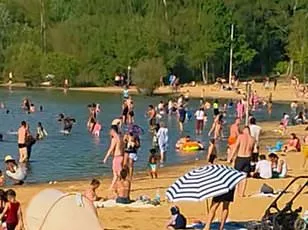
The revenue generated is earmarked for crucial coastal management services. This past week, during a heatwave, council staff collected an estimated 83 tonnes of waste from the beaches, highlighting the significant cleanup challenges faced. Funds from the levy would support increased staffing for seafront patrols, enhanced litter collection services, and general management of public spaces to ensure a positive experience for respectful visitors.
Addressing Anti-Social Behavior and Crime
Local Concerns and Migrant Incidents
Bournemouth has experienced a notable increase in anti-social behavior in recent years, prompting the establishment of local initiatives like the Safeguard Force, now Safeguard Community Support, a volunteer group dedicated to street patrols. The town gained a controversial reputation, at one point dubbed the UK's 'most dangerous migrant town,' following incidents involving asylum seekers housed in local hotels. Reports detail individuals facing charges for violent crimes within short periods. For example, Halil Dal, a migrant staying at the Britannia Hotel, received a suspended sentence for stabbing an individual with a broken bottle. Shkar Jamal, another resident of the same hotel, evaded his sentencing for threatening someone with a snooker cue, only to be apprehended nearby.
Further incidents include Hana Hassan, a migrant involved in a machete attack on a shopkeeper following a nightclub dispute. Abdoela Berhan, an asylum seeker convicted of assaulting a woman outside a nightclub, remains at large despite being identified as staying in a migrant hotel and having prior convictions, including an attack on a Subway worker. Local residents have voiced their unease, with some noting significant changes in the town's atmosphere and feeling less secure walking in the evenings. One asylum seeker, Ahmad Hani, expressed his desire to leave the town due to perceived safety issues and inadequate police assistance, describing some hotel residents as dangerous.
Divergent Perspectives on the Proposed Tax
The proposal for a tourist tax has met with apprehension from some sectors of the hospitality industry. Alistair Hardyside, chair of the South West Tourism Alliance, cautioned that such a tax could deter domestic tourism, which he noted has already seen a decline of 21% since 2025 in rural coastal areas of the South West. He argued that imposing additional taxes on a struggling market could be counterproductive.
Rosie Radwell, chair of the BH Area Hospitality Association, echoed these concerns, stating that it is unfair to penalize families enjoying their holidays. She suggested that the allocation of funds would be more palatable if directed towards tourism-boosting events rather than solely council coffers, implying a need for greater transparency and a focus on direct tourism benefits.
Other Proposed Measures
Increased Parking Fines
In addition to the tourist tax, the council is also seeking government permission to increase parking fines. Currently set at £35, the proposed increase would target offenses such as parking on double yellow lines, grass verges, roundabouts, and blocking private driveways. This measure aims to further regulate parking and deter inconsiderate behavior that can exacerbate congestion and inconvenience.
The council believes that a combination of a visitor levy and stricter parking enforcement will contribute to a more managed and pleasant environment for both residents and tourists. The ultimate goal is to strike a balance between attracting visitors and ensuring the town's infrastructure and community well-being are protected from the pressures of high visitor numbers and associated anti-social activities.
Impact Analysis
The proposed tourist tax in Bournemouth represents a localized response to the complex challenges of managing popular coastal destinations facing increased pressure from tourism and social issues. If approved, the levy could serve as a model for other similar towns grappling with the costs of maintaining public spaces and addressing anti-social behavior fueled by large visitor numbers. However, the potential economic impact on the already fragile domestic tourism sector remains a significant concern, necessitating careful consideration of the tax rate and its allocation. The success of such a measure will likely depend on clear communication regarding the use of funds and a demonstrable improvement in the visitor experience and local environment.