Redwings Horse Sanctuary has released a comprehensive update regarding a group of thoroughbred horses who were placed under the sanctuary's care following a court order for their owner to rehome them. The individual responsible for these animals received a suspended prison sentence and a lifetime ban from keeping animals after an RSPCA prosecution. The case involved the removal of four horses from the owner's care in March 2025, highlighting a critical need for intervention and specialized veterinary attention.
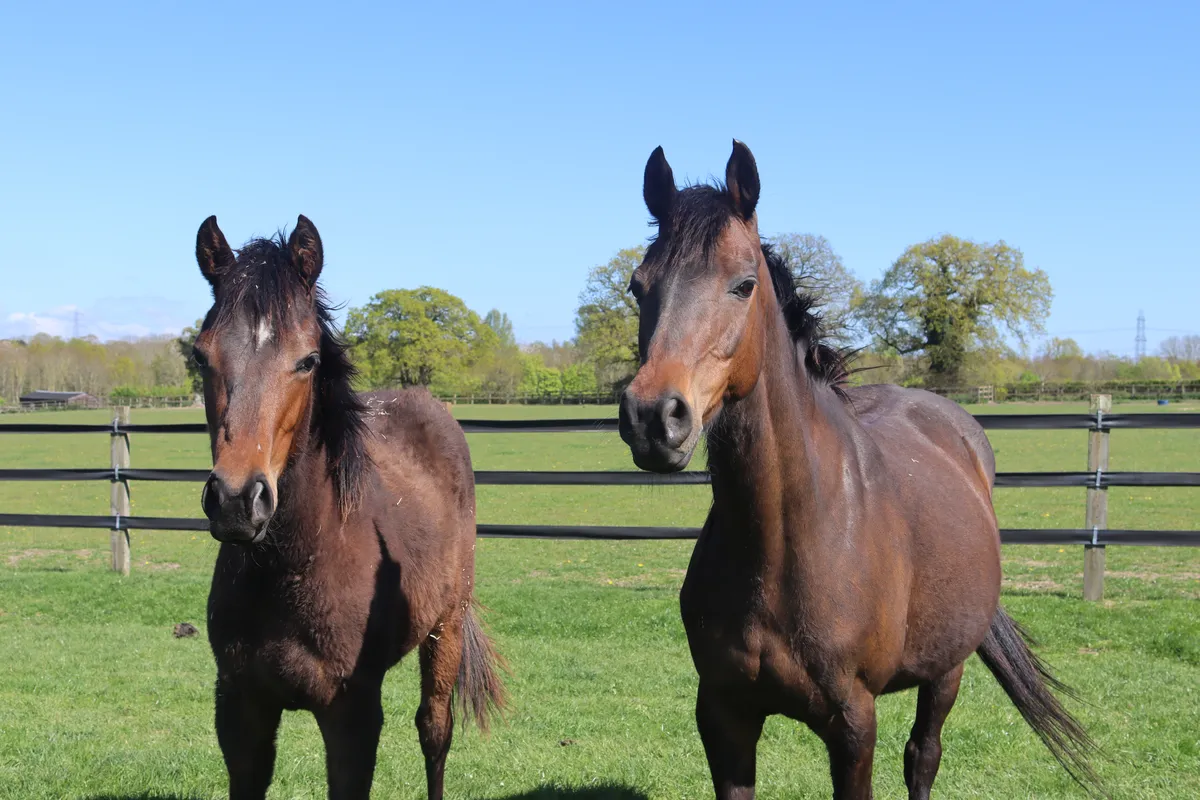
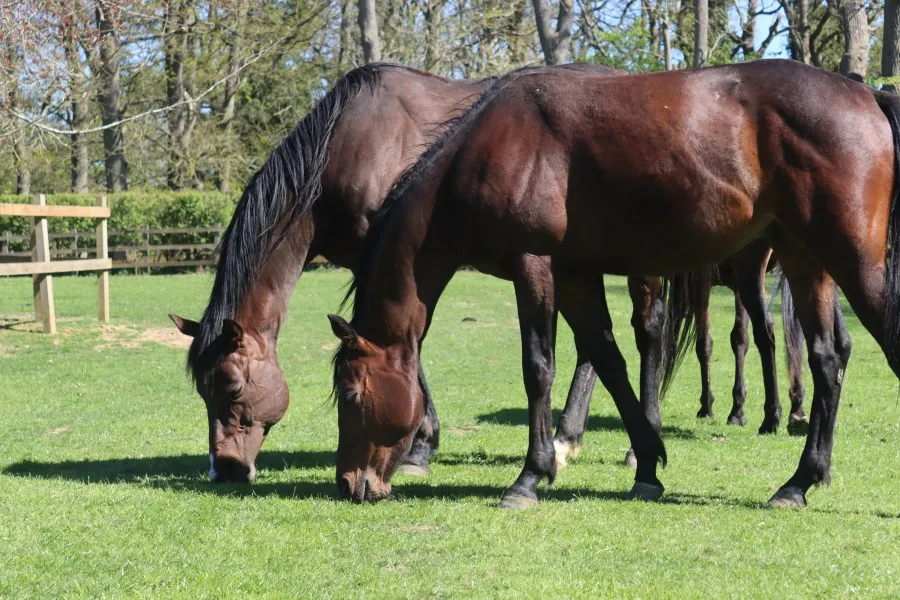
The rescued group, comprising six horses, arrived at Redwings in February. The equine residents include Zeus, a 12-year-old stallion; Hera, an 11-year-old mare; her foal, Artemis; Hermes and Helios, both two and three-year-old colts respectively; and Apollo, an 11-year-old gelding. This influx of thoroughbreds added to the sanctuary's ongoing commitment, as they had previously provided a permanent home for four other thoroughbreds involved in the same case. Among these earlier rescues was Harmonia, a mare who was, at the time of her arrival, one of the most emaciated horses Redwings had ever treated.
Comprehensive Care and Recovery for Rescued Thoroughbreds
Zeus's Battle with Infection and Malnutrition
Upon arrival at the sanctuary, the stallion Zeus presented with an immediate and serious health concern: an infected wound on his hind leg. This required urgent veterinary intervention, including pain relief, antibiotics, and daily wound cleaning with topical treatments. Further complicating his recovery, Zeus was also suffering from dental issues and a significant worm burden, contributing to his underweight condition.
Redwings' veterinary team noted that Zeus became noticeably quiet and dull a few days into his care, prompting further investigation. Routine blood tests revealed a severe loss of protein, necessitating a critical plasma transfusion. Fortunately, the intensive treatment plan proved effective. Over the subsequent weeks, Zeus's demeanor and physical condition showed marked improvement. His blood results normalized, and he was successfully discharged from intensive care, a positive outcome made even better by the fact he remained with his companions throughout the quarantine period.
Artemis's Challenging Foalhood and Surgical Intervention
Young Artemis, a filly foal at foot, developed a concerning hindlimb lameness shortly after her arrival with her mother, Hera. Initial assessments suggested a potential injury from a knock or bump, and the team kept a close watch on her progress. Administering medication to Artemis proved challenging due to her feral nature and extreme wariness of humans, but the veterinary staff eventually managed to get her to ingest pain medication, providing some temporary relief.
The lameness, however, suddenly worsened after a couple of days. A re-sedation was required for a more thorough examination, which revealed significant swelling in the muscles of her right hindquarters, obscured by her thick winter coat. Ultrasound diagnostics confirmed the presence of a deep abscess located beneath the muscle, perilously close to the femur bone. While the team initially hoped the abscess might resolve naturally, its persistent and progressive nature led to the decision for surgical intervention under general anesthesia. The procedure involved carefully dissecting between the muscles to access and drain the abscess, which contained a large volume of pus that was subsequently flushed out. Happily, Artemis was unaware of the procedure and showed immediate improvement upon waking. The wound was left open to continue draining naturally, with periodic flushing and sedation. Remarkably, despite minimal handling, Artemis's experience did not deter her from human interaction, and she began to approach staff willingly, showing confidence in her recovery and future adaptation to life at the sanctuary.
Sanctuary Practices and Broader Implications
Standard sanctuary protocols were applied to all the thoroughbreds, including necessary treatments for worms. Furthermore, Zeus, Hermes, and Helios underwent gelding, a common practice at Redwings for stallions to align with their welfare standards and facilitate easier management and integration within the herd.
Nic de Brauwere, Head of Welfare and Behaviour at Redwings, emphasized that rescuing horses is a complex undertaking that extends far beyond simply bringing them into care. He highlighted the increasing financial pressures facing rescue organizations, making the support of the public more vital than ever. The successful rehabilitation of these thoroughbreds underscores the critical role Redwings plays in providing a safe and secure future for animals in need, reinforcing their commitment to being 'Ready to Rescue' in similar situations.
Impact Analysis
This case highlights the persistent issue of animal neglect and the critical role of specialized sanctuaries like Redwings Horse Sanctuary. The significant health problems observed in the rescued thoroughbreds, including severe infections, deep abscesses, malnutrition, and dental issues, point to systemic failures in animal welfare. The successful rehabilitation demonstrates the high level of veterinary expertise and dedication required in such rescue operations. The ongoing financial strain on rescue organizations also underscores the broader societal challenge of funding essential animal welfare services, emphasizing the need for consistent public support and robust legal frameworks to prevent animal cruelty.